
4.4
2,100+ reviews on G2

A camping checklist covers shelter (tent, sleeping pad, sleeping bag), the kitchen (stove, fuel, food and a way to store it safely), water, light, first aid and clothes for the weather, plus the campground's own rules. The National Park Service also recommends the Ten Essentials. What to bring, in four groups:
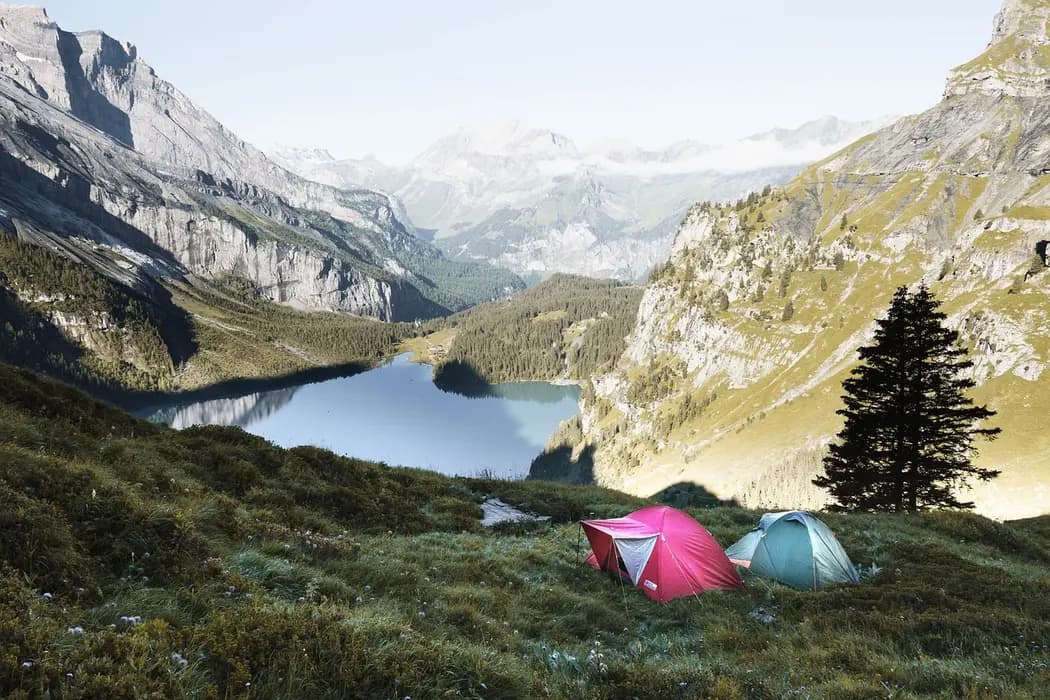
Tent, a pad to keep moisture and cold off, a bag for the temperature.
Stove and fuel, food, and storage that keeps wildlife out.
Navigation, light, first aid, water, extra food, shelter and more.
Water, campfires, food storage and reservations vary by site.
Keep one packing list in Evernote. Start every trip from it and fit it to the trip in one request.
Find out if there is drinking water, whether campfires are allowed and where, the group size limit, the toilets and showers, food storage rules and whether you need a reservation, sometimes through Recreation.gov.
A tent sized for the people, not their gear too. A sleeping pad underneath keeps moisture and cold away from your body. A sleeping bag rated for the weather. A pillowcase stuffed with clothes saves space.
A camping stove and fuel, a pot, utensils, plates and a way to wash up, plus food and a cooler. Check whether the park requires a bear box or bag.
Navigation, sun protection, insulation, a flashlight or headlamp, first aid supplies, fire starters, a repair kit, extra food, water and treatment supplies, and emergency shelter.
Layers, rain gear and a set of dry clothes to change into before bed.
Avoid spots under dead branches or at risk of flash floods. In bear country, keep cooking and food storage at least 200 feet from where you sleep, and do not sleep in the clothes you cooked in.
Copy it, or save it to your Evernote account and tick it off before every trip.
Before you go
[ ] Reservation
[ ] Water, fire and food storage rules
[ ] Weather forecast
Sleep
[ ] Tent and stakes
[ ] Sleeping pads
[ ] Sleeping bags rated for [temperature]
Kitchen
[ ] Stove and fuel
[ ] Pot, utensils, plates
[ ] Food, cooler, food storage
Ten Essentials
[ ] Map and compass
[ ] Sunscreen, hat, sunglasses
[ ] Warm layer
[ ] Headlamp
[ ] First aid kit
[ ] Fire starter
[ ] Repair kit, knife
[ ] Extra food
[ ] Water and treatment
[ ] Emergency shelter
Clothes
[ ] Layers and rain gear
[ ] Dry clothes for sleeping
4.4
2,100+ reviews on G2

4.4
8,200+ reviews on Capterra

4.4
73,000+ reviews on App Store

248M
Registered users

A tent, sleeping pad and sleeping bag, a stove with fuel, food and safe storage, water, a headlamp, a first aid kit, clothes in layers and rain gear, plus the Ten Essentials the National Park Service recommends.
Navigation, sun protection, insulation, illumination, first aid supplies, fire, a repair kit and tools, nutrition, hydration and emergency shelter.
Yes. The NPS says a pad provides cushion and, more importantly, keeps moisture from building up beneath you, which would make you cold.
Follow the park's rules: many require a bear box or bag. In bear country, store food at least 200 feet from your sleeping area.
A two-person tent fits two people sleeping, not two people plus their gear or pets, the NPS notes. Avoid bringing more tent than you need.
Away from dead trees and branches overhead and areas at risk of flash flooding, and well apart from your cooking and eating area.
Save your camping list as a template once, then start every trip from it.
Ask the AI Assistant to start a new list for the camping weekend from your camping list template. The new note has every item, ready to tick.
Tell the Assistant it is 2 nights in bear country, with cold nights and no ropes on trees. It adds warmer bags, a water filter and bear-box storage, and crosses out the hammock.
Share the note with your camping partner. Everyone can edit it at the same time, so each item is ticked once.
Start from your own template, let the AI Assistant fit it to the trip, and tick items off together with whoever you travel with.
Start for free