
4.4
2,100+ reviews on G2

Gaining weight in a healthy way means adding calories gradually from nutritious foods, eating more often and building muscle, rather than filling up on sweets. The NHS suggests four habits:
A little extra each day, from healthy foods, built up gradually.
Smaller meals more often, with healthy snacks in between.
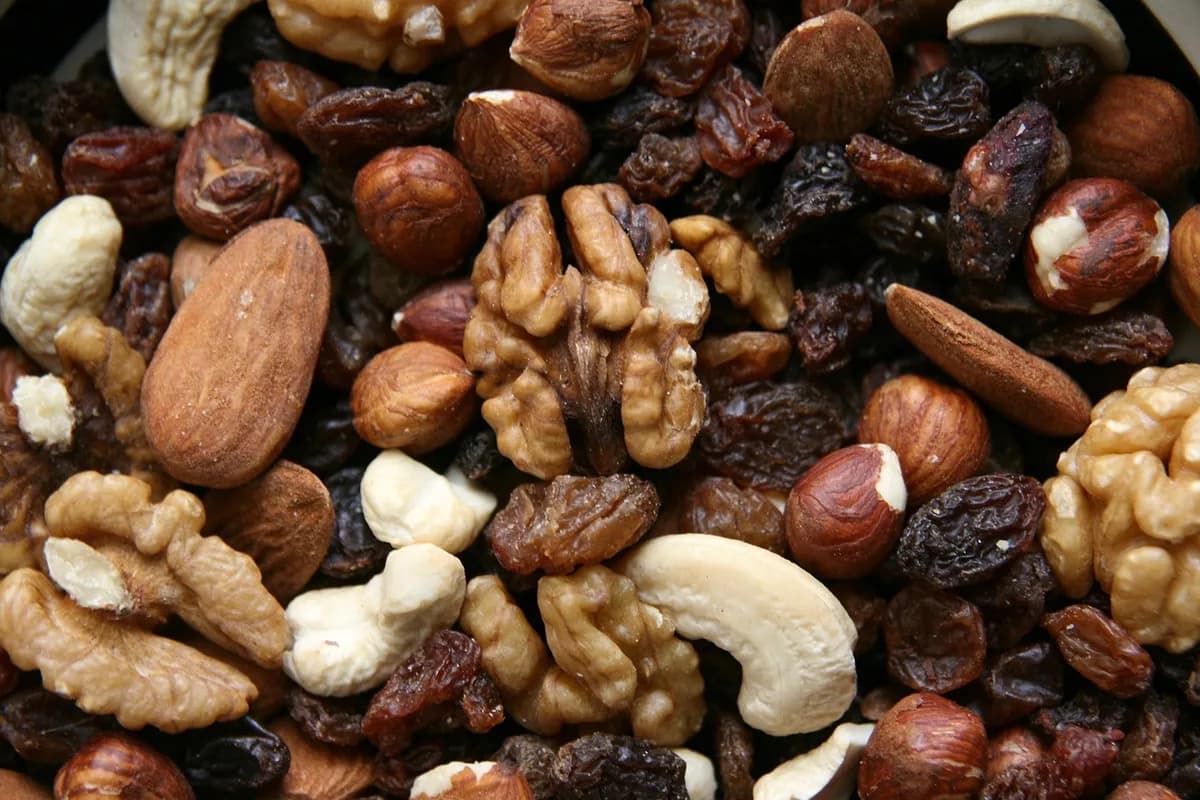
Cheese, nuts, seeds, beans, fish, eggs and lean meat.
Strength training or yoga, which can also improve your appetite.
Track it in Evernote. Log meals by chat, set a weekly weigh-in, and get a week summary.
Work out your BMI from your height and weight. The NHLBI puts a healthy adult BMI between 18.5 and 24.9, so below 18.5 is underweight. If you have lost weight suddenly or without trying, see a doctor before you change anything.
If large meals feel like too much, eat three smaller meals plus regular snacks instead. The NHS suggests smaller meals more often, with healthy snacks in between.
Yogurt, nuts, cheese and crackers, hummus with pita or a banana with peanut butter add calories and nutrients without much effort.
The NHS suggests adults could try adding around 300 to 500 extra calories a day. Build up slowly, for example with an extra snack, then a larger portion at dinner.
Beans, pulses, fish, eggs and lean meat add protein. Cheese, nuts and seeds add calories in a small amount of food. Keep fruit, vegetables and whole grains on the plate too.
The NHS advises against filling up on drinks before meals. Have milk, smoothies or milkshakes between meals instead, and do not rely on sugary soft drinks.
Do strength training or yoga on at least 2 days a week, as the NHS recommends for adults. Weigh yourself regularly on the same day and time, before breakfast, and compare the trend rather than day to day.
| Day | Meals | Snacks | Activity |
|---|---|---|---|
| 2Mon | Eggs on toast; turkey sandwich; chili with rice | Banana, trail mix | Strength, 30 min |
| 3Tue | Yogurt and granola; leftover chili; chicken stir-fry | Apple, peanut butter | 20 min walk |
| Wed | Oatmeal; tuna wrap; pasta with meat sauce | Cheese, crackers | Strength, 30 min |
| 5Thu | Oatmeal with banana; chicken wrap; salmon with rice | Yogurt, nuts | 30 min walk |
| Fri | Eggs and toast; lentil soup; beef tacos | Smoothie, granola bar | Stretching, 15 min |
| Sat | Pancakes; leftover tacos; pizza with salad | Hummus, pita | 45 min bike ride |
| 7Mon 16 | Weigh-in before breakfast | 152.4 lb |
Sources: NHS, healthy ways to gain weight; NHLBI, healthy weight. A log is for you and your doctor, not a diagnosis.
The NHS advises adding calories from nutritious foods rather than relying on chocolate, cakes and sugary drinks. Small additions to food you already eat add up.
| Food group | Easy additions | Instead of |
|---|---|---|
| Protein | An extra egg, beans in soup, fish or lean meat at lunch | Processed meats every day |
| Dairy or alternatives | Cheese on toast, yogurt as a snack, milk in oatmeal | Sugary drinks |
| Nuts and seeds | A handful of nuts, peanut butter on fruit, seeds on salads | Chocolate bars |
| Starchy foods | A larger portion of rice, pasta, potatoes or whole-grain bread | Cakes and pastries |
| Drinks | Milk or a smoothie between meals | Filling up on drinks before you eat |
Source: NHS, "Healthy ways to gain weight" (food groups, snacks, drinks between meals).
Copy it, or save it to your Evernote account and fill in one line a day. Bring it to your next checkup if you want to talk it through.
Week of: [Monday date] · Goal: [what you want to change]
Weigh-in: [day and time] · [weight]
Mon: [meals] · Snacks: [snacks] · Activity: [minutes and type]
Tue: [meals] · Snacks: [snacks] · Activity: [minutes and type]
Wed to Sun: [one line a day, same format]
How I felt this week: [energy, sleep, hunger]
Next week I will try: [one small change]
4.4
2,100+ reviews on G2

4.4
8,200+ reviews on Capterra

4.4
73,000+ reviews on App Store

248M
Registered users

Add calories gradually from nutritious foods, eat smaller meals more often with healthy snacks in between, and do strength training. The NHS suggests adults could try adding around 300 to 500 extra calories a day.
Work out your body mass index (BMI) from your height and weight. The NHLBI puts a healthy adult BMI between 18.5 and 24.9, so a BMI below 18.5 is underweight. BMI is a screening measure, so talk to a doctor about what it means for you.
The NHS suggests adults could try adding around 300 to 500 extra calories a day. Needs vary with age, size and activity, so increase slowly and watch the weekly trend.
You can, but the NHS advises against relying on chocolate, cakes and sugary drinks. Choose foods that add nutrients as well as calories, such as cheese, nuts, seeds, beans, fish, eggs and lean meat.
Foods that pack calories into small portions: nuts, nut butters, seeds, cheese, whole milk and yogurt, plus starchy foods like rice, pasta, potatoes and whole-grain bread. Add protein from beans, fish, eggs and lean meat.
Yes. Strength training or yoga helps you build muscle, and the NHS notes that exercise can also improve your appetite. The NHS recommends strengthening activities on at least 2 days a week for adults.
Weigh yourself regularly on the same day and time, before breakfast, and compare the trend rather than day to day.
The NHS advises seeing a GP if you have lost weight suddenly, if you have lost weight without changing your diet or activity, or if you use control of food to cope with feelings. These can be signs of an underlying condition.
Keep a weekly food and activity log for your weight-gain goal. The AI Assistant fills in a row from one message, sets a weekly weigh-in, and sums up the week.
Keep one table per week with a row for each day. Tell the Assistant what you ate and how you moved, and it fills in today's row.
Set a weekly gain check. Ask the Assistant for a repeating Monday weigh-in task at 7 AM, with a reminder.
Ask the Assistant to sum up the log: days logged, meals, activity and the Monday weigh-in task.
Log meals in a sentence, get a reminder to weigh in every Monday, and ask the AI Assistant how the week went.
Start for free