
4.4
2,100+ reviews on G2

Learning art history means learning to look closely at works of art, describe what you see with the elements and principles of art, and place each work in its time, place and purpose. A good method has four parts:
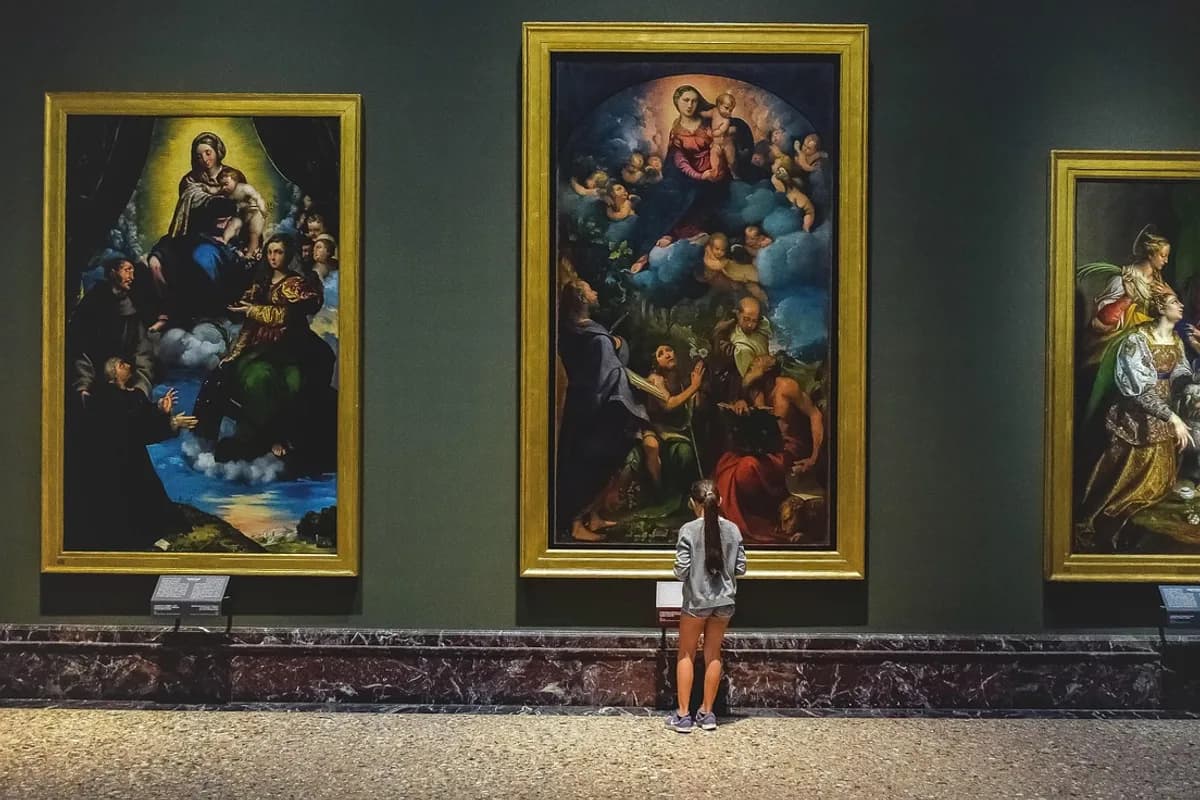
Describe before you read about it.
Line, color, space, balance, scale.
Artist, title, date, medium, collection.
When, where, for whom, and why.
Learn it in Evernote. Clip a lesson, let the AI Assistant check your practice against it, and log the fix.
Art history is the academic study of artistic production and visual culture throughout human history. Start with an overview of the discipline and its methods.
Spend a few minutes describing a work in your own words: what you see, how it is made, what draws your eye.
Use the terms for what you see: line, shape, color, texture and composition. Art historians often analyze a work through these elements of form.
Artist, title, date, medium, size and collection. Check every fact against a reliable caption.
Add the context: when and where it was made, for whom, and for what purpose. Art historians examine the work in the context of the world within which it was created.
After the basics, follow a survey from the earliest art to today, one period at a time, revisiting works as you go.
| Step | Notes |
|---|---|
| 2What I see | Friends at a table on a balcony by the river |
| 3Elements | Loose brushwork, bright color, dappled light |
| 4Caption | Pierre-Auguste Renoir, 1880 to 1881, oil on canvas, The Phillips Collection |
| 5Context | Questions to research: who are the sitters, and where is the balcony? |
One entry per session. Copy it, or save it to your Evernote account and keep your practice in the same note.
Date: [day] · Time spent: [minutes]
Work: [artist, title, date, medium]
What I see: [description before reading]
Context: [time, place, purpose]
Fix next time: [one thing]
4.4
2,100+ reviews on G2

4.4
8,200+ reviews on Capterra

4.4
73,000+ reviews on App Store

248M
Registered users

Wikipedia's art history articles and the page for a work you want to study cover the discipline, its methods and the facts about a work.
With how to look: line, shape, color, texture and composition, then the context. Then move through a survey period by period.
The seven most common elements are line, shape, texture, form, space, color and value.
The academic study of artistic production and visual culture throughout human history.
Describe what you see first, then the elements of form, then the context: who made it, when, where, for whom and why.
Use a reliable caption or reference for the artist, title, year, medium, dimensions and collection. The page for Renoir's Luncheon of the Boating Party, for example, gives 1880 to 1881, oil on canvas, and The Phillips Collection.
Keep one notebook for art history: images and captions you clip, your looking notes, and the questions to research.
Clip the page for a work into your Art history notebook, and paste the video link into the same note.
Add them to a note and ask the AI Assistant to check the facts against the reference. It catches a date or medium that does not match the caption.
Ask the Assistant to add it to a practice log table, with the artist, what you looked at and the fact to check next time.
Clip every lesson into one notebook, let the AI Assistant check your practice against it, and log what to fix next time.
Start for free