
4.4
2,100+ reviews on G2

Starting a bonsai tree means choosing a hardy nursery tree with small leaves and a thick trunk base, such as a juniper in a 5-gallon pot, picking its front and style, pruning and wiring the branches into shape, then moving it into a shallow bonsai pot with some of the roots trimmed. Bonsai means "tree in a container". Four things matter:
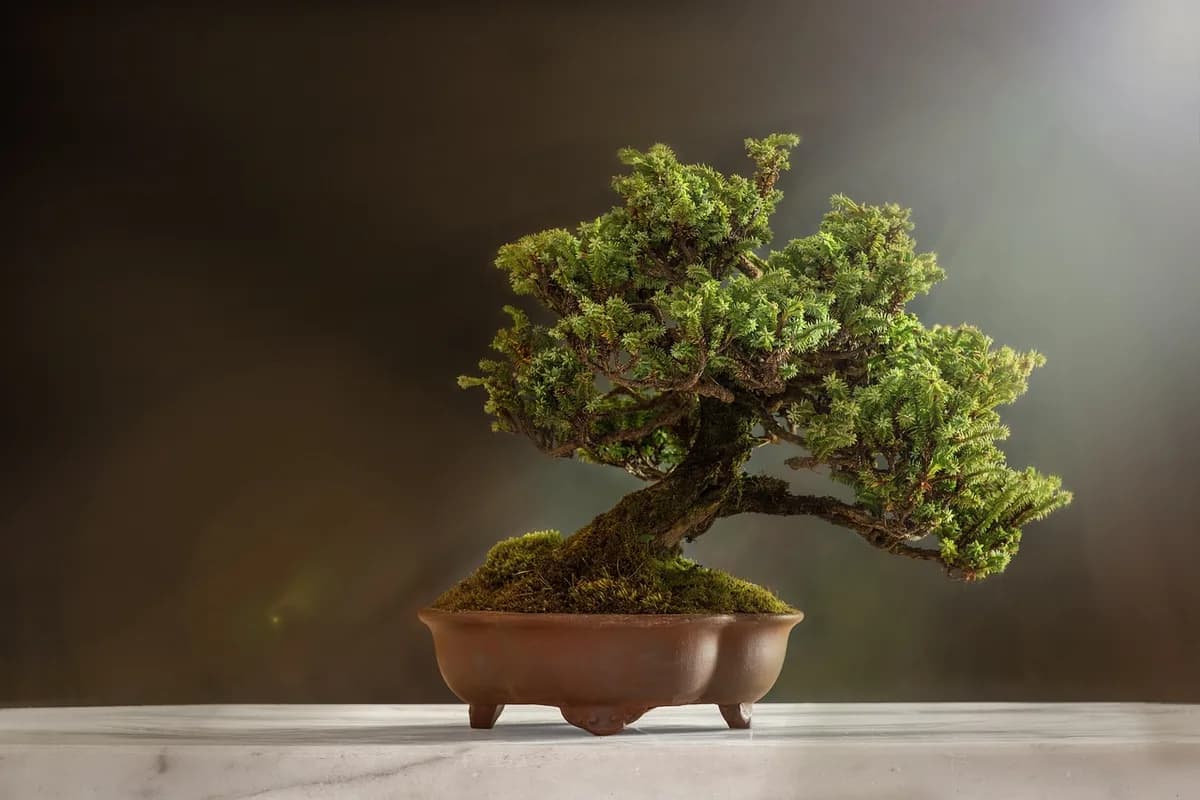
A nursery juniper is easier and faster than seed or a costly starter bonsai.
Small leaves and a wide trunk base give the look of an old tree.
A bonsai pot holds little soil, so it dries out quickly.
Only tropical trees should live indoors all the time.
Keep a garden journal in Evernote. Log what you see, get a reminder, and ask what worked last season.
Look for small leaves or needles, closely spaced branches and a wide trunk base. A juniper in a 5-gallon pot is a forgiving first tree.
Turn the tree to find its best side, where it looks approachable, as if you could walk under the branches. A bent trunk suits the informal upright style. A prostrate juniper suits a cascade.
Keep well-spaced branches around the trunk and cut off those that do not fit the shape. Junipers tolerate heavy pruning at any time.
Wrap branches with bonsai wire and bend them gently into position to suggest age.
Before new buds come out, trim the roots so the tree fits a shallow clay bonsai pot, and plant it so the roots look like they grip the earth.
Check the soil often, since a bonsai pot holds little. Fertilize with a much weaker solution than usual to keep growth in check. Keep hardy trees outdoors.
| Item | Detail |
|---|---|
| Tree | Juniper |
| Style | Semi-cascade |
| Lives | Outdoors |
| 1Why this tree | Small needles, wide trunk base |
| 2Front | The side where the trunk bends left |
| 3Prune | Keep 5 branches, remove 3 crossing ones |
| 4Wire | Bonsai wire on the 2 lowest branches |
| 5Pot | Shallow clay pot, roots trimmed in early spring |
| 6Care | Check water daily in summer, weak fertilizer |
Bonsai clubs teach these steps in person.
Common styles described by UC Master Gardeners. The tree's natural shape suggests which one to try.
| Style | Looks like |
|---|---|
| Formal upright | A straight, upright trunk |
| Informal upright | A trunk with bends |
| Slanting | A trunk leaning to one side |
| Cascade | A tree hanging below the pot |
| Semi-cascade | A tree leaning out and down |
| Broom | A dense, broom-shaped crown |
| Forest grove | Several trees planted together |
Source: UCCE Master Gardeners of El Dorado County, "The Art of Bonsai".
One note per plant or bed. Copy it, or save it to your Evernote account and add a line every time you are in the garden.
Plant: Bonsai · Variety: [name]
Planted: [date] · Spot: [bed, pot or row]
Sun: [hours a day] · Water: [how much, how often]
Expect: [first flowers, harvest or bloom date]
Log:
[date]: [what you saw], [what you did]
[date]: [what you saw], [what you did]
Next year: [what to change]
4.4
2,100+ reviews on G2

4.4
8,200+ reviews on Capterra

4.4
73,000+ reviews on App Store

248M
Registered users

A juniper. UC Master Gardeners call it a forgiving starter tree, and suggest buying one in a 5-gallon pot at a local nursery.
Only tropical trees should be kept indoors indefinitely. Hardy trees like junipers live outdoors.
Often, because the shallow pot holds little soil. Check it every day in warm weather.
Before new buds come out, according to UC Master Gardeners.
Bonsai wire, wrapped around branches to hold them in position.
You can, but a nursery tree is easier and faster, and more interesting than a pre-made starter bonsai.
Keep a garden journal in a Garden notebook, with one note per plant or bed and a dated log in a table.
Tell the AI Assistant what happened in a few words, such as "root pruned and potted before the buds opened". It adds a dated row to the log table in your note.
Ask for a reminder counted from a date in your log, such as "Remind me to check the wire 6 weeks after wiring". The Assistant reads the date and sets the reminder on the note.
Next year, ask "What did I learn from my first bonsai?" The AI Assistant reads all your garden notes and answers from them.
Log what you see in a few words, get a reminder at the right time, and ask your journal what worked last season.
Start for free