
4.4
2,100+ reviews on G2

To start a boutique, pick a narrow style and customer, choose a storefront or an online shop, and buy a small first inventory. Then register the business, get the sales tax permit and open. Four things come first:
One style, one price range and one customer.
A storefront with traffic or an online shop.
Register before the first taxable sale.
Inventory you can sell before you reorder.
Plan your launch in Evernote. Turn your checklist into tasks. Search finds the EIN in your scanned IRS letter.
Choose one style, one price range and one customer.
A storefront brings walk-in traffic but adds rent and build-out. An online shop lowers the rent but needs marketing. Some boutiques start online and add a shop when the customer base is clear.
Choose a structure and register with your state if you form an LLC or corporation. Apply for a free EIN on IRS.gov. You need it for the bank account, the sales tax permit and the lease.
Ask your state tax office for a sales tax permit before your first sale. The SBA lists retail among the activities commonly regulated at the local level, so ask your city about a business license too.
Start with a few styles and a few sizes. Buy enough to fill the shop but not so much that the cash is tied up. Track what sells in the first month before you reorder.
Add the wholesale cost, the shipping, the rent and the card fee. Set a price that leaves a margin after the markdowns. A price that only covers the wholesale cost loses money.
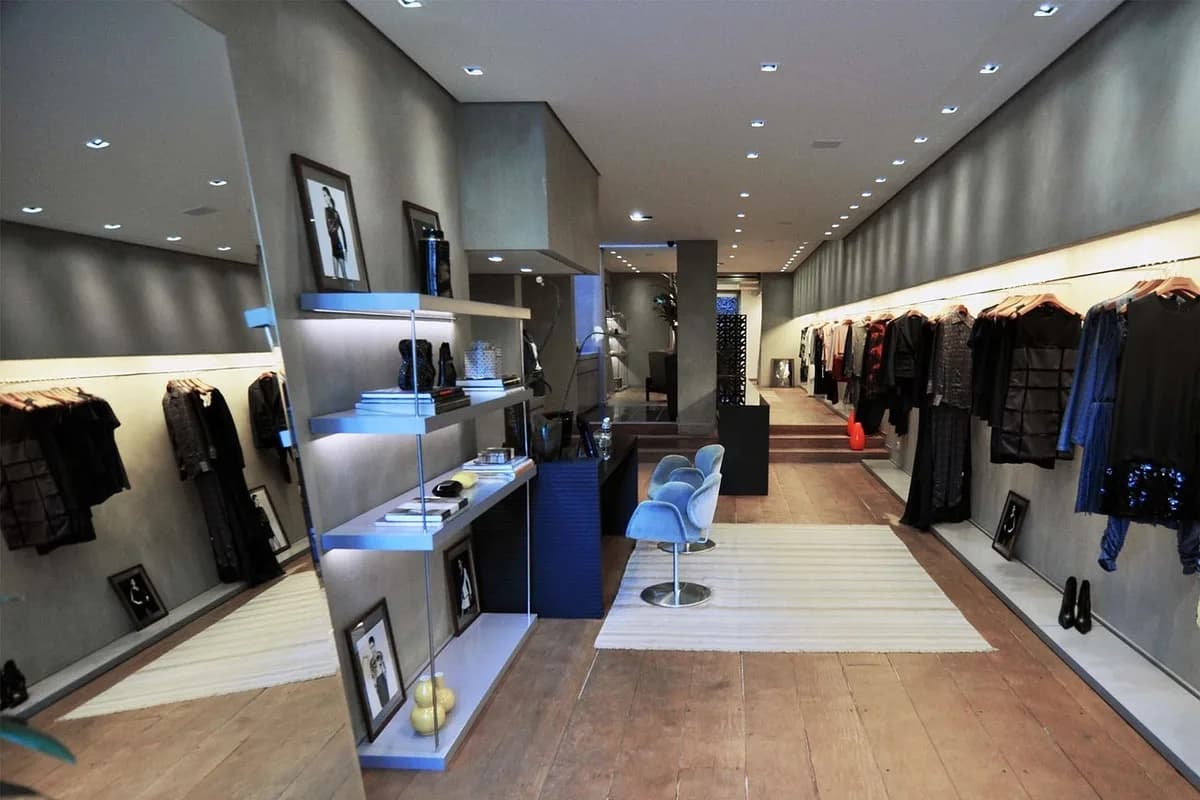
Plan the lighting, the mirrors, the fitting room and the counter. Check the lease for the build-out and the sign rules.
Use the channels your customer already reads: local social, email, a market or a pop-up. Track sales by style and size each week. Reorder the winners and mark down the rest.
Costs are an example, not a quote. Rent and inventory costs vary by city and supplier.
Each channel has a different cost and reach. Some boutiques use both.
| Factor | Storefront | Online |
|---|---|---|
| Cost | Rent, build-out and staff | Platform, photos and ads |
| Traffic | Walk-in and local | Search, social and email |
| Inventory | On display in the shop | Stored and shipped |
| Hours | Set opening hours | Always open |
| Best for | A local customer base | A wider audience |
Source: US Small Business Administration, "Launch your business" and "Calculate your startup costs".
Copy it, or save it to your Evernote account and add a date to each line.
Niche: [style], for [customer], at $[price range]
Location: [address], rent $[amount], lease ends [date]
Business: [structure], registered on [date]
EIN: [number], requested on [date]
Sales tax: [permit], checked on [date]
City license: [license], fee $[amount]
Inventory: [number] styles, $[amount]
Price: cost $[amount], price $[amount], margin [percent]
Fit out: lighting, mirrors, counter, $[amount]
Marketing: [channel], first event [date]
4.4
2,100+ reviews on G2

4.4
8,200+ reviews on Capterra

4.4
73,000+ reviews on App Store

248M
Registered users

Rent, build-out and the first inventory are the main costs. A small shop can start with a few thousand dollars in inventory and a simple fit-out. Add the deposit, the signs, the card reader and the first month of marketing.
Most cities require a general business license, and retail is commonly regulated at the local level. You also need a sales tax permit from your state. Ask your city and state offices before you open.
No. A sole proprietorship is enough to test the idea. An LLC adds liability protection and a state filing fee. A storefront lease and inventory make the liability question more important, so ask a lawyer.
Start with a few styles in a few sizes and track what sells. Buy enough to fill the shop but not so much that the cash is tied up. Reorder the winners after the first month.
A storefront brings walk-in traffic but adds rent and build-out. An online shop lowers the rent but needs marketing. Many boutiques start online or at markets and add a shop when the customer base is clear.
Add the wholesale cost, the shipping, the rent and the card fee. Set a price that leaves a margin after markdowns. The example on this page sets the price from the wholesale cost plus shipping, rent and the card fee; the right number depends on your costs.
Use the channels your customer already reads: local social, email, a market or a pop-up. Ask the first customers for a review. A clear niche and a friendly shop bring repeat visits.
Keep the niche, lease, inventory, supplier and sales notes in one boutique notebook.
Write the lease, license, inventory and fit-out steps in a note. Ask the AI Assistant to turn them into tasks with due dates, so the shop opens on schedule.
Scan the lease and sales tax permit with Scan in the Evernote app. Search for the rent or the permit number and Evernote finds it in the text of the scan.
Clip the city license and supplier pages with the Web Clipper. Ask the Assistant to add a checklist of the terms and dates each page lists.
Turn your checklist into tasks with due dates, find any number inside a scanned letter, and keep the official pages you read next to your plan.
Start for free