
4.4
2,100+ reviews on G2

Growing tomatoes in pots means choosing a compact variety, planting it in a container of at least 5 gallons with drainage holes and fresh potting mix, adding a cage at planting, and watering it, often daily in summer, in a spot with at least 6 hours of full sun. Four things decide the harvest:
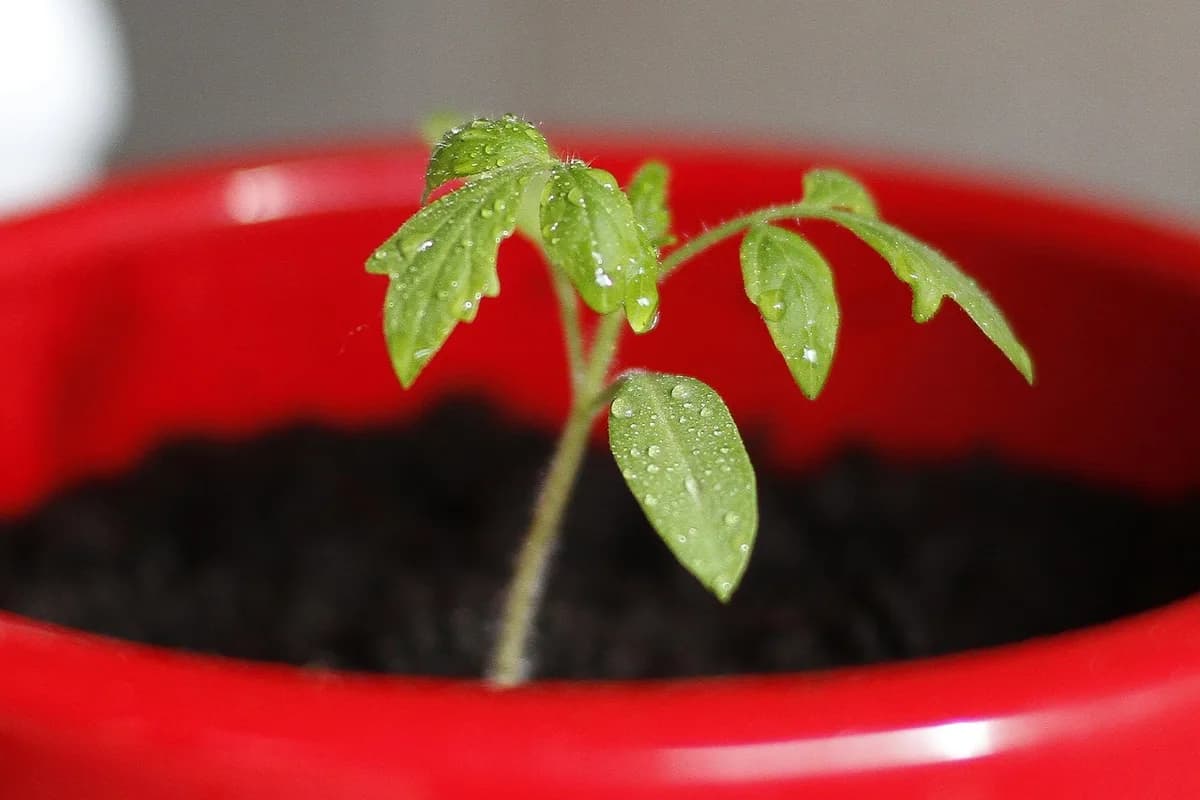
Look for "patio", "bush" or "balcony" types. Tall vining ones outgrow pots.
A 14- to 20-inch pot or a 5-gallon bucket with drainage holes.
Tomatoes need at least 6 hours of full sun a day.
Pots dry out fast and nutrients wash out, so check water daily.
Keep a garden journal in Evernote. Log what you see, get a reminder, and ask what worked last season.
Pick a cultivar with "patio", "balcony" or "bush" in the name, and check the mature height on the label. Indeterminate types such as Better Boy or Early Girl keep growing until frost and are hard to manage in a pot.
A 14- to 20-inch container suits most compact cultivars, or a 5-gallon bucket with holes drilled in the bottom. Smaller pots dry out constantly and can tip over when the plant is heavy with fruit.
Use a high-quality potting mix, not garden soil. Plant after your frost-free date, since tomatoes are cold-sensitive.
Put in a cage or stake when you plant. Even patio varieties need support, and a cage holds up the fruit-laden branches.
Place the pot where it gets at least 6 hours of full sun and where you can easily reach it to water and pick.
Check the soil every day: in the height of summer, container tomatoes need daily watering. Use a timed-release balanced fertilizer at planting, or a water-soluble fertilizer once a week.
| Item | Detail |
|---|---|
| Pot | 18 inches |
| Sun | 7 hours |
| Planted | May 12 |
| 1Variety | Compact "patio" cherry, 2 feet tall at maturity |
| 2Container | 18-inch pot, 4 drainage holes |
| 3Soil | Fresh potting mix, planted after the frost-free date |
| 4Support | Small cage, put in at planting |
| 6Water | Finger test every morning, water until it drains |
| Fertilizer | Water-soluble fertilizer every Sunday |
Pot too light? Move it out of strong wind before it tips over.
Clemson Extension's guidance on growth habit for containers.
| Type | Growth | In a pot |
|---|---|---|
| Patio, balcony, bush cultivars | Compact, often determinate | Good fit in a 14- to 20-inch pot |
| Determinate | Stops growing, fruit over a shorter time | Check the height on the label first |
| Indeterminate (Better Boy, Early Girl, Brandywine) | Keeps growing until frost | Hard to manage in a pot |
Sources: Clemson Cooperative Extension HGIC, "Tomatoes in Containers"; University of Minnesota Extension, "Early season tomato sleuthing".
One note per plant or bed. Copy it, or save it to your Evernote account and add a line every time you are in the garden.
Plant: Tomato (pot) · Variety: [name]
Planted: [date] · Spot: [bed, pot or row]
Sun: [hours a day] · Water: [how much, how often]
Expect: [first flowers, harvest or bloom date]
Log:
[date]: [what you saw], [what you did]
[date]: [what you saw], [what you did]
Next year: [what to change]
4.4
2,100+ reviews on G2

4.4
8,200+ reviews on Capterra

4.4
73,000+ reviews on App Store

248M
Registered users

At least 5 gallons. Clemson Extension says a 14- to 20-inch container suits most compact cultivars, and a 5-gallon bucket with drainage holes also works.
Check daily. In the height of summer, container tomatoes often need watering every day, because pots dry out much faster than garden beds.
Compact cultivars, often labeled "patio", "balcony" or "bush". Indeterminate types keep growing until frost, so they are hard to manage in a pot.
Yes. University of Minnesota Extension says even patio varieties need support, so add a small cage or stake at planting time.
Use a high-quality potting mix instead. It drains well in a container, and you fertilize regularly because nutrients wash out with frequent watering.
At least 6 hours of full sun a day.
Keep a garden journal in a Garden notebook, with one note per plant or bed and a dated log in a table.
Tell the AI Assistant what happened in a few words, such as "first fruit set, watered twice today". It adds a dated row to the log table in your note.
Ask for a reminder counted from a date in your log, such as "Remind me to look for ripe fruit 60 days after I planted". The Assistant reads the date and sets the reminder on the note.
Next year, ask "When did my patio tomato start fruiting last year?" The AI Assistant reads all your garden notes and answers from them.
Log what you see in a few words, get a reminder at the right time, and ask your journal what worked last season.
Start for free