
4.4
2,100+ reviews on G2

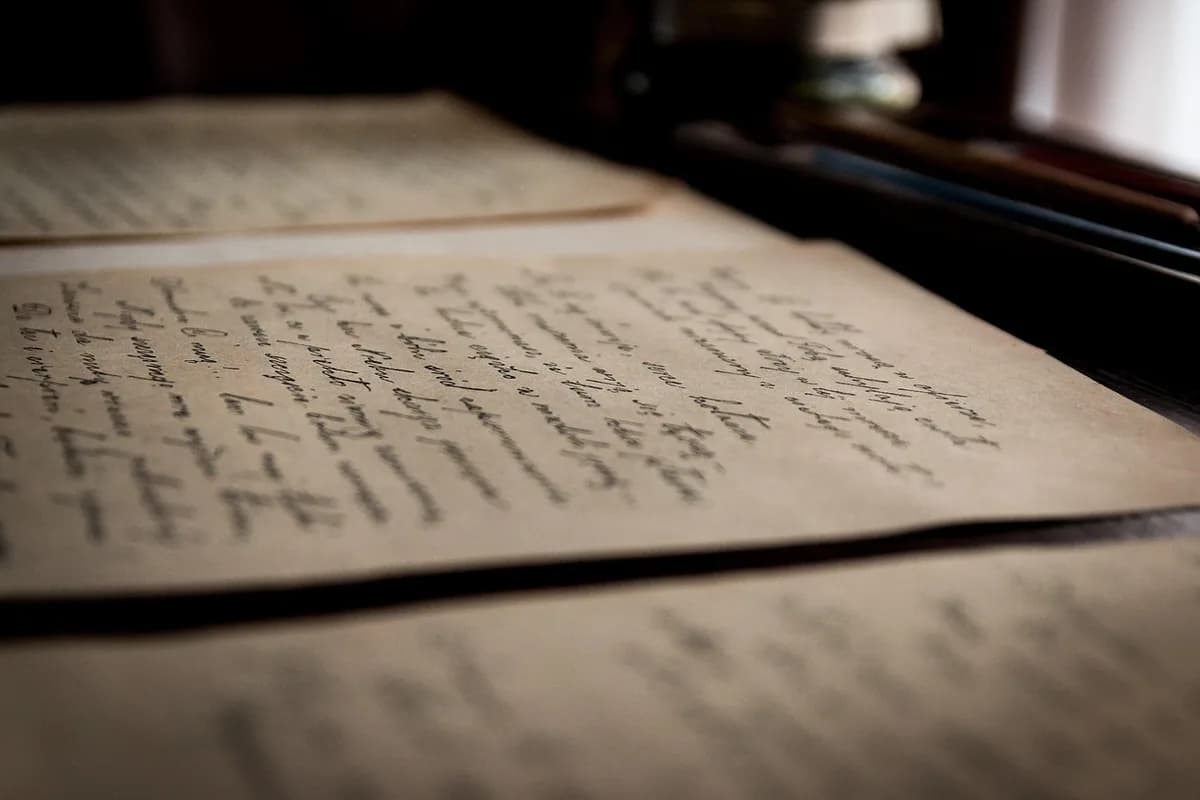
Learning cursive means learning each letter's shape with its entry and exit strokes, then the joins between letters, then writing whole words slowly until the strokes flow. Nearly all join problems come from letters that do not end in a consistent place. Four habits matter:
Even shapes, size and slant.
Every letter ends in a small curve.
Not 676 separate pairs to memorize.
Speed comes after the shapes are steady.
Learn it in Evernote. Clip a lesson, let the AI Assistant check your practice against it, and log the fix.
Cursive styles and their joining rules differ. Choose one model alphabet, such as the looped cursive taught in many American schools, and stay with it.
Trace, then copy each letter, paying attention to where it starts and ends. Keep size and slant even.
Every letter ends with an exit stroke that leaves it traveling to the right. If your letters end in different places, joins cannot form a pattern.
Joins are not separate strokes; they are one letter's exit stroke running into the next letter's entry. Almost every connection follows one of four patterns.
Practice words that repeat a join, like "minimum" or "running", before full sentences.
Capitals come after lowercase is steady. Write a short passage daily and speed up only when the shapes hold.
One entry per session. Copy it, or save it to your Evernote account and keep your practice in the same note.
Date: [day] · Time spent: [minutes]
Practiced: [letters, joins or words]
Lines written: [number]
Steady: [what looked even]
Fix next time: [one thing]
4.4
2,100+ reviews on G2

4.4
8,200+ reviews on Capterra

4.4
73,000+ reviews on App Store

248M
Registered users

Choose one style, relearn the lowercase letters with their entry and exit strokes, then practice the joins and short words a little every day.
The joins. Letter shapes get taught carefully, one at a time, with models to trace. Joins tend to get taught as a single instruction, so the learner has to work out why one flows easily while another collapses.
Almost every connection follows one of four patterns, according to Handwriting Guide, so you do not need to memorize every pair of letters.
Check the exit strokes first: nearly all join problems are exit-stroke problems.
Lowercase first, since joins happen there. Add capitals once lowercase is steady.
Yes. Styles and joining rules differ; looped cursive is common in American and British schools. Pick one model and stay with it.
Photograph each practice page into one notebook, so you can compare pages over time and keep a log of what to fix.
Clip the guide into your Cursive notebook, and paste the video link into the same note.
Add your checklist or a photo of the page to a note and ask the AI Assistant to check it against the lesson. It finds the letter that ends without an exit stroke.
Ask the Assistant to add it to a practice log table, with the letters you practiced, how many lines you wrote and the join to fix.
Clip every lesson into one notebook, let the AI Assistant check your practice against it, and log what to fix next time.
Start for free