
4.4
2,100+ reviews on G2

Tracking ovulation means recording the body signs that change around the time an ovary releases an egg, such as your basal body temperature and your cycle dates, every day for several months, and bringing the record to your doctor. People track these signs:
Day 1 of each period, to see your pattern.
Taken at rest as soon as you wake up.
How it looks and feels each day.
Months of entries to review with your doctor.
Keep it in Evernote. Find your temperature record and turn the log into questions.
Write down the first day of each period. Your cycle runs from one day 1 to the next.
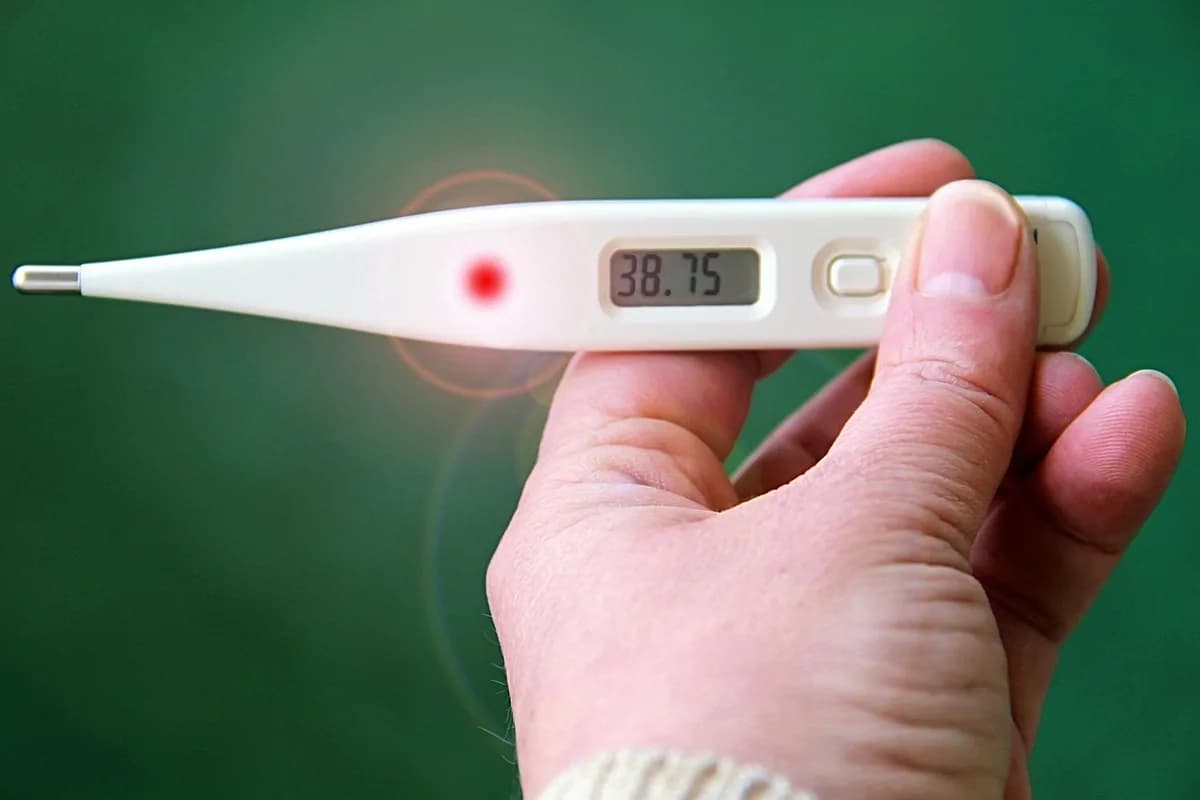
Basal body temperature is your temperature at rest as soon as you wake up, before you get out of bed. Use a basal body thermometer, which shows small changes, and take it at the same time each day.
The Office on Women's Health explains that basal body temperature usually rises by only 0.4 to 0.8 degrees Fahrenheit with ovulation, and stays higher until your period starts. The rise does not show exactly when the egg is released.
You can also write down how cervical mucus looks and feels each day, since it changes during the cycle.
Record for several cycles, then bring your log to your doctor, who can explain what it shows for you and whether other tests make sense.
| Cycle day | Date | Temp (°F) | Notes |
|---|---|---|---|
| 1Day 1 | Oct 16 | 97.3 | Period started |
| 2Day 8 | Oct 23 | 97.2 | |
| 4Day 13 | Oct 28 | 97.1 | Mucus clear and stretchy |
| 3Day 15 | Oct 30 | 97.7 | Rise of 0.6°F |
| 3Day 20 | Nov 4 | 97.8 | Still higher |
| Day 1 | Nov 13 | 97.2 | Next period started |
A made-up example of what to record. It is not a way to predict ovulation or fertility for you; ask your doctor.
Each records something different. None of them is a diagnosis; your doctor can tell you what your records mean.
| Method | What you record | Good to know |
|---|---|---|
| Calendar | Day 1 of each period and cycle length | Shows your pattern over months |
| Basal body temperature | Temperature on waking, every day | Needs a basal thermometer; the rise shows after ovulation |
| Cervical mucus | How it looks and feels each day | Changes through the cycle |
| Ovulation test kits | The result of each test | Detects the LH surge that triggers ovulation |
Source: Office on Women's Health, Trying to conceive.
Based on the National Institute on Aging's advice. Copy it, or save it to your Evernote account before each visit.
Visit: [doctor] · [date and time] · [reason]
Questions, most important first: 1. [ ] 2. [ ] 3. [ ]
Changes since last visit: [symptoms, with dates] · [new medicines] · [other doctors seen]
Bring: list of all medicines and doses · insurance card · other doctors' names and phones · records the doctor does not have
During the visit: take notes, or ask if you may record · ask what anything unclear means
After: next steps [ ] · tests ordered [ ] · follow-up date [ ]
4.4
2,100+ reviews on G2

4.4
8,200+ reviews on Capterra

4.4
73,000+ reviews on App Store

248M
Registered users

Record the first day of each period, take your basal body temperature each morning as soon as you wake, and note cervical mucus. Do it for several months and review it with your doctor.
Your temperature at rest as soon as you wake up in the morning. The Office on Women's Health says it is between 96 and 98 degrees Fahrenheit before ovulation, on average, and rises slightly after.
Usually only 0.4 to 0.8 degrees Fahrenheit, which is why a sensitive basal body thermometer is used. It can be a sudden jump or a gradual climb over a few days.
Not exactly. The temperature rise does not show exactly when the egg is released. Almost all women have ovulated within three days after their temperatures spike. Your doctor can explain what your records mean.
Several months. Keep the log and review it with your doctor.
Talk to your doctor if your cycles are longer than 38 days or shorter than 24 days, or if you have been trying to conceive with frequent sex without birth control for a year (six months if you are 35 or older). Bring your log so the visit starts from facts.
Keep a tracking log note with one row per day in your Health notebook, next to your visit notes.
Scan lab reports and visit summaries into a Health notebook with your phone. Search for a word like "basal temperature", and Evernote finds it inside the scans and PDFs and highlights it.
Note symptoms and questions in a temperature log note as they come up. Before the visit, ask the AI Assistant to turn its entries into a checklist of questions in the visit note.
Ask the doctor first whether you may record. Then add a voice note to the visit note. Evernote transcribes it, so you can reread what was said at home.
Find any result in your records, turn your log into questions for the doctor, and keep a recording of the answers, with their permission.
Start for free