
4.4
2,100+ reviews on G2

Habit stacking is a way to build a new habit by doing it right after a habit you already have, using the formula "After I [current habit], I will [new habit]". James Clear uses the term and credits the method to BJ Fogg's Tiny Habits program. Four rules make a stack work:
Pick a habit you do every day without fail.
The new habit should fit that time and place.
Add one small habit at a time.
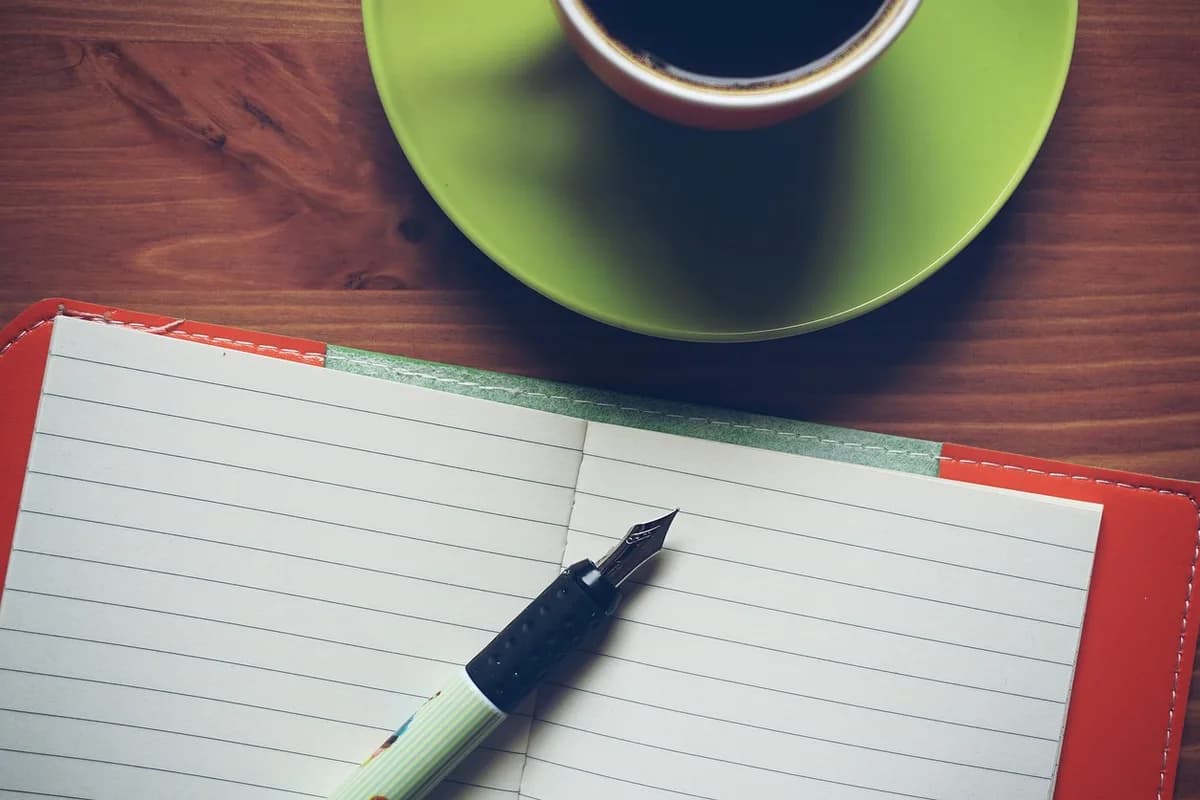
"After I pour my coffee, I will write 3 lines."
Build your stack in Evernote. A repeating task cues the first link, and the AI Assistant shows the week.
Brush your teeth, pour coffee, sit down at your desk, start the dishwasher, plug in your phone. These are your anchors.
Choose one, small enough to do in a couple of minutes: stretch, write 3 lines, set out tomorrow's clothes.
James Clear says the cue should have the same frequency as the habit you want. If you want a daily habit, do not stack it on something that happens only on Mondays.
James Clear's formula is "After/Before [current habit], I will [new habit]." He describes habit stacking as a special form of an implementation intention.
Tick a box each day. In a 2010 study, a new habit took a median of 66 days to become automatic, so give it time before you add another link.
| After I... | I will... | Added |
|---|---|---|
| 1Brush my teeth | Do 2 minutes of stretching | Week 1 |
| 3Pour my coffee | Write 3 lines in my journal | Week 1 |
| 4Sit down at my desk | Write my top 3 tasks for the day | Week 9 |
| 5Track: one box a day for each link | ||
The third link was added after the first two felt automatic, about two months in.
Anchors that happen every day, and new habits that fit right after them.
| Anchor | New habit | Why it fits |
|---|---|---|
| Pouring morning coffee | Write 3 lines in a journal | You are sitting and waiting anyway |
| Sitting down at your desk | Write your top 3 tasks | The start of the work day |
| Finishing lunch | Walk 10 minutes | A natural break |
| Starting the dishwasher | Wipe the counters | Same room, same moment |
| Getting into bed | Read 10 pages | The phone is already away |
Formula from James Clear, "How to Build New Habits by Taking Advantage of Old Ones"; method by BJ Fogg, Tiny Habits.
Copy it, or save it to your Evernote account and add one link at a time.
Anchor habits I already do every day: [list 5]
Link 1: After I [anchor], I will [new habit, 2 minutes].
Link 2 (in about 2 months): After I [new habit], I will [next habit].
Where: [place] · When: [time]
Track: one box a day in [your tracker note]
4.4
2,100+ reviews on G2

4.4
8,200+ reviews on Capterra

4.4
73,000+ reviews on App Store

248M
Registered users

BJ Fogg created the method as part of his Tiny Habits program. James Clear uses the term habit stacking and the "After I..., I will..." formula.
James Clear describes it as a special form of an implementation intention. The 2024 review lists implementation intentions as a planning strategy used in habit interventions.
Start with one link. Add the next when the first feels automatic. In a 2010 study, a new habit took a median of 66 days to become automatic.
One you do every day at the same time and place, without thinking: brushing your teeth, making coffee, sitting down at your desk.
Make the cue visible: put the journal next to the coffee maker, or set a repeating task for the anchor's usual time until the stack sticks.
A routine is a set of steps you plan. Habit stacking builds it one link at a time, each triggered by the one before.
Keep one note per month with a habit tracker table: one row per day, one column per habit.
Ask the AI Assistant to remind you to write 3 lines in your journal every morning at 7:30, right after coffee. It adds a repeating task to the note, with a reminder.
Each morning, tick each link in the stack. One box a day, and an empty one is fine: start again tomorrow.
At the end of the week, ask the Assistant how the stack went. It reads the table and tells you your streak and the link that slips.
Let the AI Assistant set a repeating task for your cue, tick one box a day, and ask how the week went.
Start for free