
4.4
2,100+ reviews on G2

A personal letter has three parts: the opening (your address and the date, then a greeting), the body, where you share news and ask about the reader, and the ending (a closing line, a sign-off and your name). A good letter does four things:
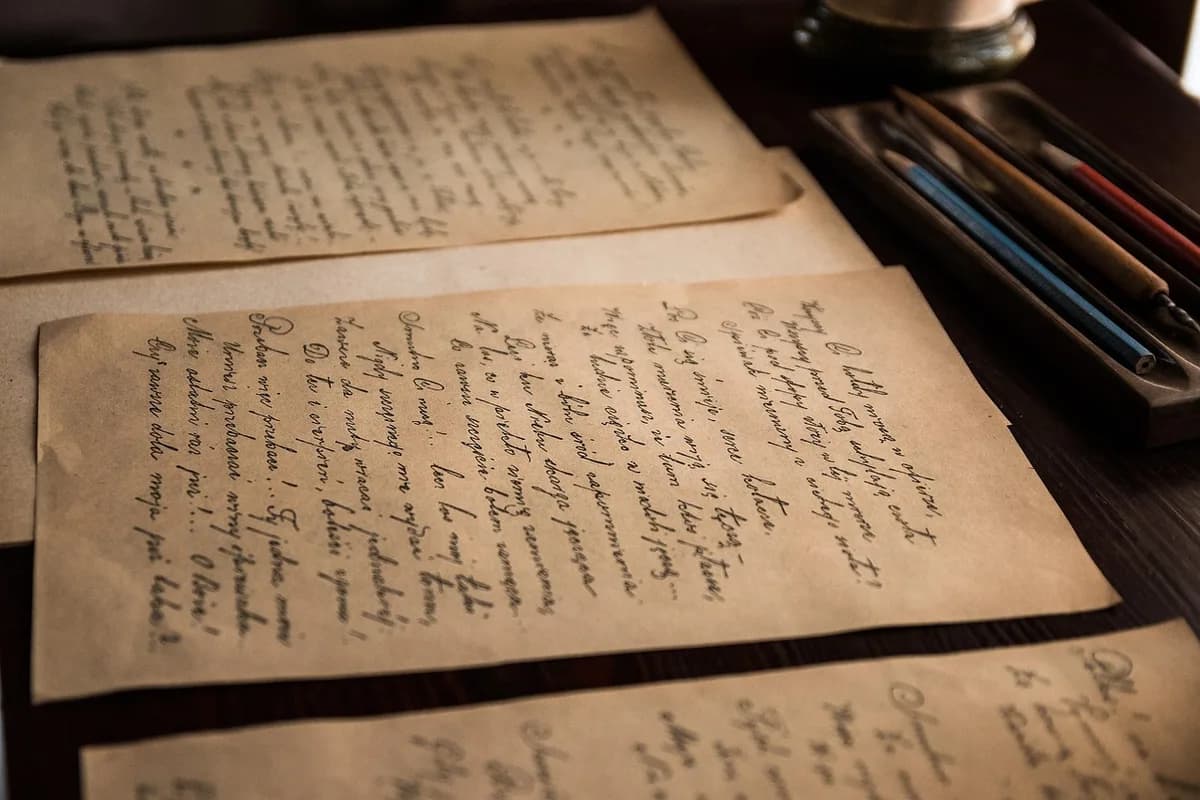
"Dear Grandma," then a line about why you are writing.
Good and bad, with details only you would know.
Answer their last letter and ask about their life.
Something to look forward to, then "Love," and your name.
Write it in Evernote. Ask what you wrote last time, then get three drafts and a yearly reminder.
If your paper does not have your address printed, write it in the upper right corner, with the date one or two lines below.
"Dear [name]," for a personal letter. Use the name you would call them in person.
One or two sentences: a thank-you, a birthday, or "I was thinking of you when...". It sets the tone for the rest.
The best letters share news, mix good with bad, answer what the reader asked last time and ask about them, the Emily Post Institute says. Write only what you would be happy for others to see.
Finish on a positive note the reader can relate to: a plan to visit, a call, the next time you will see each other.
"Love," "Fondly" or "Affectionately" for family and friends; "Sincerely" or "Warm regards" for more formal letters. Then sign your name.
122 Birch Road, Columbus, OH
March 8, 2027
2Dear Grandma June,
3Happy birthday! I wanted to write you a real letter this year, because a text did not feel like enough.
4I made your lemon cake for my roommates last week. It sank a little in the middle, but they ate all of it, and I thought of your kitchen the whole time. How are your roses doing? Did the new climbing ones you planted in the fall come back?
5I have booked my train for June, so save me a spot on the porch and a slice of the real thing.
6All my love,
Ellie
Match the closing to how well you know the reader. The greetings below are examples; the closings are the standard choices from the Emily Post Institute.
| For | Greeting | Closing |
|---|---|---|
| Family and friends | Dear Grandma, · Hi Sam, | Love, · Affectionately, |
| Friends | Dear Maya, | Fondly, · Cordially, |
| Someone who helped | Dear Mr. Lee, | Gratefully, |
| Not seen recently | Dear Ruth, | As ever, · As always, · Warm regards, |
| Formal | Dear Ms. Okafor, | Sincerely, |
Source: Emily Post Institute, "How to write and end a personal letter".
Copy it, or save it to your Evernote account and fill in the brackets before you write it by hand.
[Your address, if not printed]
[Date]
Dear [name],
[Why you are writing: a thank-you, a birthday, or "I was thinking of you when..."]
[Your news, with one detail only you would know.] [A question about their life.]
[Something to look forward to: a visit, a call, a plan.]
[Love / Fondly / Sincerely],
[Your name]
4.4
2,100+ reviews on G2

4.4
8,200+ reviews on Capterra

4.4
73,000+ reviews on App Store

248M
Registered users

With your address (if it is not printed) and the date in the upper right corner, then a greeting such as "Dear Grandma June,". Your first sentence should say why you are writing.
Greet them by name, say why you are writing, share your news with a few specific details, ask about their life, and end with a plan to talk or meet. Sign off with "Love," "Fondly" or simply your name.
Finish the body on something positive the reader can relate to, then a closing such as "Love," "Fondly" or "Sincerely," and your signature. Use your first and last name if you have never met.
The opening (your address and the date, then the greeting), the body, and the ending (the closing line, the complimentary close and your signature).
As long as you have something to say. There is no set length. A few warm, specific paragraphs are enough.
Write it first in your own words, then translate it and check it with a native speaker. Greetings and closings change from one language to another, so ask a native speaker which ones fit.
Handwrite personal letters when you can. Type formal letters, or type when your handwriting is hard to read.
Keep a short note on each person you write to. The AI Assistant drafts from it and reminds you in time.
Keep a few facts about each person you write to in a note, and log each letter you send. Ask the AI Assistant what you wrote in your last letter to them, and it answers from your notes.
Ask for three versions of the message: short, medium and long. Pick one, change a word or two, then copy it into the letter in your own hand.
Ask the Assistant to remind you a week before the birthday you are writing for, every year. It creates a repeating task due that day.
Keep a few facts about each person in a note, draft with the AI Assistant, and get a reminder before every birthday.
Start for free