
4.4
2,100+ reviews on G2

Aligning car tires means adjusting the car's suspension so the wheels point at the angles the manufacturer specifies. A service technician does it with an alignment machine; your part is to spot the signs and book it. Four signs you need an alignment:
The car drifts left or right on a straight, flat road.
The steering wheel is crooked when you drive straight ahead.
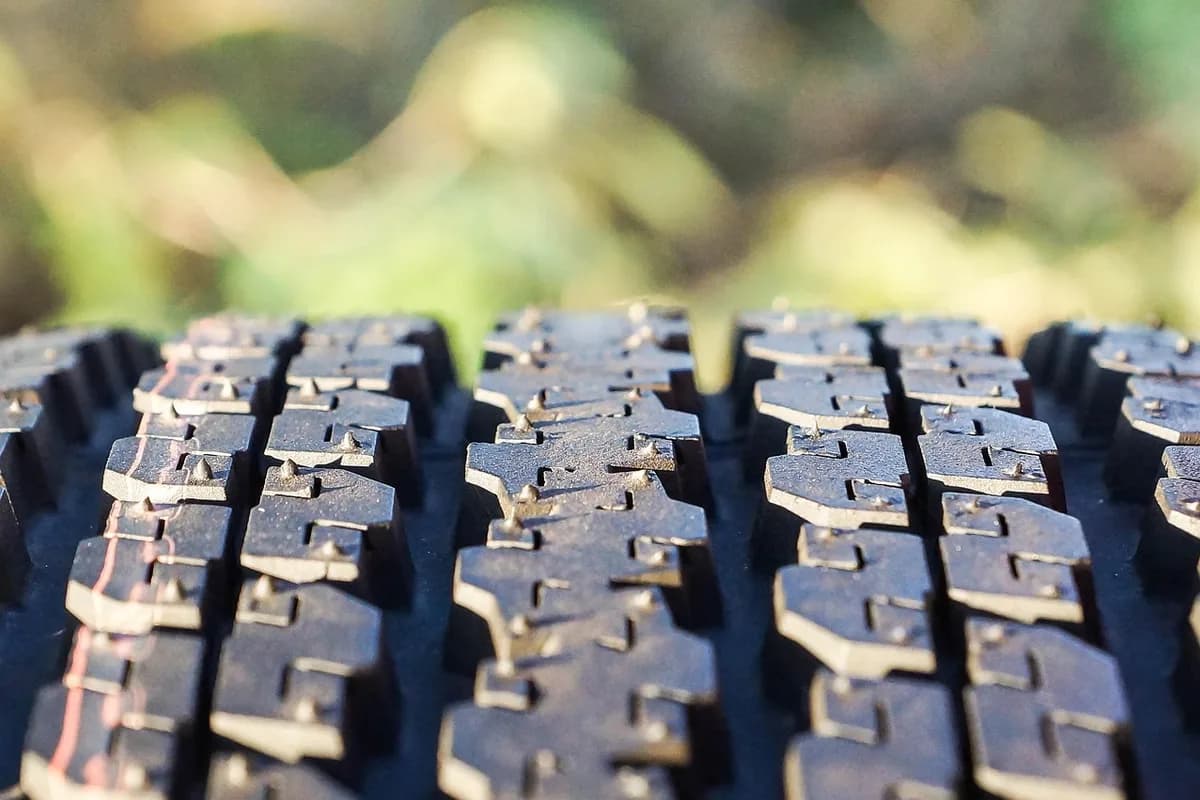
One edge of a tire wears faster than the rest of the tread.
The steering wheel shakes or vibrates as you drive.
Keep your car records in Evernote. Ask the manual, log every job, and get reminded.
Under-inflated tires wear unevenly too, so rule that out first. Set every tire to the pressure on the sticker in the driver's door jamb or in your owner's manual, not the maximum printed on the tire.
On a straight, flat, empty road, hold the steering wheel lightly. Notice whether the car drifts to one side, and whether the wheel sits off center or vibrates.
Check each tire for one edge wearing faster than the center, or tread that is smooth on one side and sharp on the other. Both are typical alignment wear.
Have a licensed service technician check the alignment if you notice any of these signs. Also have it checked when you get new tires, or after you hit a pothole, a curb or road debris.
The technician measures and sets three angles: camber (the inward or outward tilt seen from the front), toe (whether the tires point in or out seen from above) and caster (the tilt of the steering axis seen from the side).
Ask the shop for the before and after readings. Keep them with the date and the mileage, so you can compare the next time the car pulls.
| Check | What you found |
|---|---|
| 1Tire pressure | All four set to 35 psi, from the door sticker |
| 2Road test | Drifts right on a flat road, wheel slightly left |
| 3Tread | Front right worn on the inside edge |
| 4Why now | Hit a pothole on Oct 30 |
| 5Shop adjusted | Front toe and camber, back to spec |
| 6Saved | Before and after printout, Nov 8, 48,210 miles |
An example car. Alignment angles and specs come from the vehicle maker and vary by model.
Run your hand over the tread and look at both edges of each tire. These patterns point to an alignment problem, or to something else.
| Pattern | What it looks like | Likely cause |
|---|---|---|
| Camber wear | The inside or outside edge is much more worn than the center. | Camber: the wheel tilts too far in or out. |
| Feathering | Tread blocks are smooth on one side and sharp on the other. | Toe: the wheels point in or out. |
| Heel and toe wear | Each tread block is worn more on one side, like saw teeth. | Low pressure or tires not rotated. Not always alignment. |
| Cupping | Scalloped dips around the tread. | An unbalanced wheel or worn shocks. Have the balance checked. |
Sources: Bridgestone, "What You Need to Know About Tire Alignment", and Michelin, "Wheel Alignment and Balancing: Why They Matter".
Copy it, or save it to your Evernote account and add a line after every job.
Car: [year, make, model] · Plate: [number] · Tire pressure: [psi from the door sticker]
Oil: [grade from the owner's manual] · Change every [miles] or [months]
Engine air filter: last changed [date] at [miles] · next at [miles]
Cabin air filter: last changed [date] at [miles] · next at [miles]
Battery: installed [month, year] · Wipers: replaced [month, year]
Log: [date] · [miles] · [what was done] · [shop or DIY] · [cost]
Next check: [date] · [what to check]
4.4
2,100+ reviews on G2

4.4
8,200+ reviews on Capterra

4.4
73,000+ reviews on App Store

248M
Registered users

Not properly at home. Alignment sets the suspension to the angles your car maker specifies, so the technician needs an alignment machine to measure them. At home you can check the tire pressure, test for pulling and read the tread wear.
The car pulls left or right, the steering wheel is off center when you drive straight, the steering wheel vibrates, or the tires wear unevenly. Any of these is a reason to have it checked.
When you see the signs above, when you put on new tires, and after you hit a pothole, a curb or road debris hard.
Alignment controls where the tires point and how they meet the road. Balancing makes each tire and wheel spin evenly. Vibration at highway speed points to balancing. Cupped tread can also point to an unbalanced wheel or worn shocks.
Camber is how far the tire tilts in or out seen from the front. Toe is whether the tires point in or out seen from above. Caster is the tilt of the steering axis seen from the side.
The tires wear unevenly and wear out sooner, and the car can pull to one side or handle less predictably.
Keep the owner's manual, receipts and a service log in a Car notebook. The AI Assistant finds what the manual says about tire alignment and keeps the log current.
Save the owner's manual PDF in the notebook. Ask the AI Assistant "What tire pressure does my car need?" It reads the PDF and tells you the answer and the page.
Take a photo of the receipt into a note. Ask the Assistant to add it to your service log, and it fills in the date, mileage, work and cost.
Ask for a repeating task, like checking the tire pressure on the 1st of every month. It comes back on schedule with a reminder.
Keep the owner's manual, your receipts and a service log in one notebook, and let the AI Assistant remind you of the next check.
Start for free