
4.4
2,100+ reviews on G2

To check brake pads, look at the pad pressed against the brake rotor, through the wheel or with the wheel off, and see how much friction material is left. Less than 1/4 inch (about 7 mm) is a reason to have the brakes inspected. Four signs to watch for:
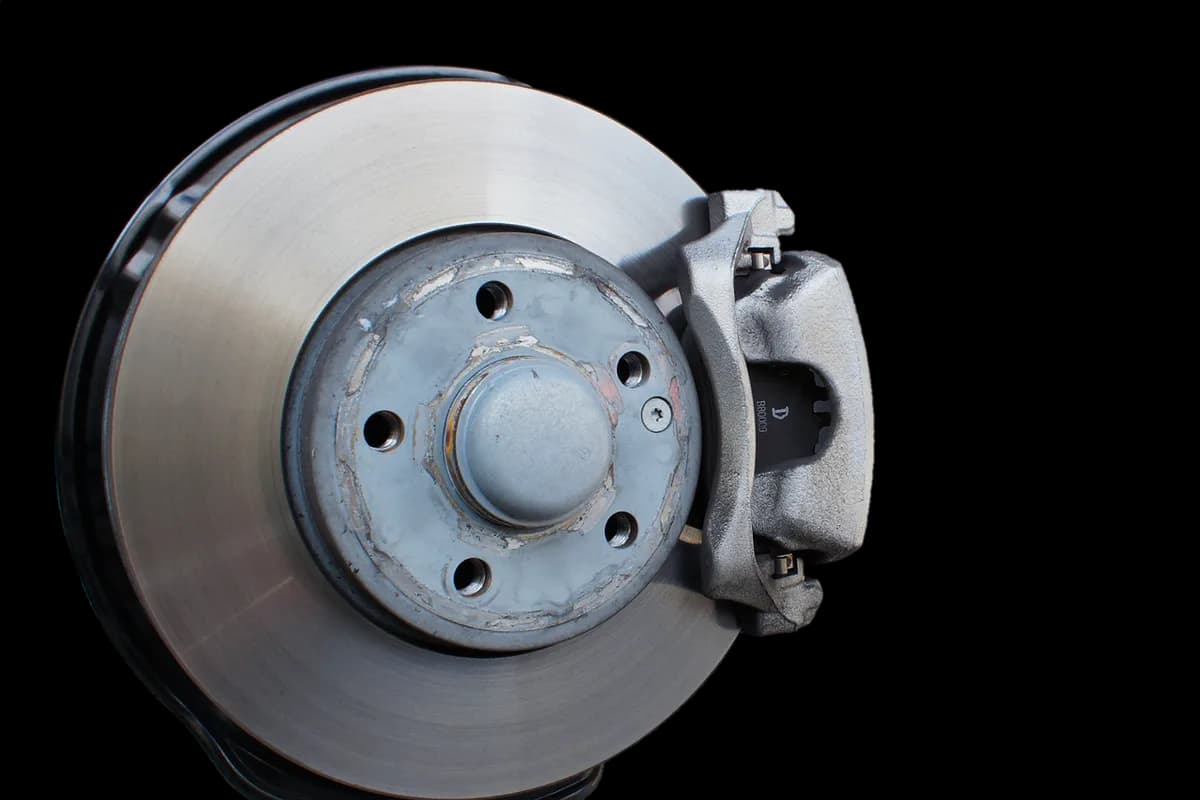
Less than 1/4 inch of friction material left on the pad.
A small metal wear indicator squeals when the pads get thin.
A deep metal-on-metal growl means the pads may be worn through.
Some cars have a low brake pad light on the dashboard.
Keep your car records in Evernote. Ask the manual, log every job, and get reminded.
Park on level ground, set the parking brake and turn off the engine. Brakes get hot when you drive, so wait before you touch anything near the wheel.
Look through the spokes of a front wheel. The caliper is the clamp that sits over the edge of the brake rotor, the metal disc behind the wheel. The pads are inside the caliper, pressed against the rotor.
Each pad is a layer of friction material on a steel backing plate. Looking down on the caliper, you can see the edge of the pad against the rotor. If the spokes block the view, the wheel has to come off.
If the friction material is less than 1/4 inch thick, about 7 mm, have the brakes inspected, especially if it has been a long time since the last check.
A high squeal when you brake can come from the wear indicator. A deep grinding or growl means metal may be touching metal: get the car checked right away. Check for a low pad light in your owner's manual.
Note the date, the mileage and what you saw on each side. Pads last different lengths for every car and driver, so your notes show when the next check is due.
| Check | Left front | Right front |
|---|---|---|
| 2Caliper found | Yes, through the spokes | Yes |
| 3Pad visible | Edge against the rotor | Edge against the rotor |
| 4Friction material | 5 mm | 5 mm |
| 5Noise when braking | None | Light squeal |
| 6Decision | Book an inspection | Book an inspection |
Example at 48,210 miles: front pads 5 mm, rear pads 7 mm. Check both sides: each wheel has its own pads.
Pads wear a little every time you brake. These are the signs that they are getting thin, from mild to urgent.
| Sign | What it means | What to do |
|---|---|---|
| Squeal only on the first stops after rain | Moisture on the pads. | Nothing, if it goes away after a few stops. |
| Squeal every time you brake | The wear indicator is touching the rotor. | Have the pads checked soon. |
| Less than 1/4 inch of pad | The friction material is getting thin. | Have the brakes inspected. |
| Low brake pad warning light | The pad sensor says the pads are worn. | Replace the pads and the warning sensors. |
| Deep grinding or growling | The steel backing may be touching the rotor or drum. | Get the car checked right away. Metal on metal damages the brakes fast. |
Source: Bridgestone, "Wondering When to Replace Brake Pads?".
Copy it, or save it to your Evernote account and add a line after every job.
Car: [year, make, model] · Plate: [number] · Tire pressure: [psi from the door sticker]
Oil: [grade from the owner's manual] · Change every [miles] or [months]
Engine air filter: last changed [date] at [miles] · next at [miles]
Cabin air filter: last changed [date] at [miles] · next at [miles]
Battery: installed [month, year] · Wipers: replaced [month, year]
Log: [date] · [miles] · [what was done] · [shop or DIY] · [cost]
Next check: [date] · [what to check]
4.4
2,100+ reviews on G2

4.4
8,200+ reviews on Capterra

4.4
73,000+ reviews on App Store

248M
Registered users

If the friction material on a pad is less than 1/4 inch thick, about 7 mm, have the brakes inspected, especially if it has been a long time since the last check.
Often, yes. Look through the spokes at the caliper, the clamp over the brake rotor, and you can see the edge of the pad. If your wheels have no gaps big enough, the wheel has to come off.
It depends on the car and how you drive. Bridgestone puts it at about 30,000 to 35,000 miles in city driving, and 80,000 miles or more in light highway driving. Riding the brake wears pads faster.
Many pads have a small metal wear indicator that squeals against the rotor when the pad gets thin. Brakes can also squeal for the first few stops after rain, which is only moisture and goes away.
A deep metallic grinding or growl can mean the pads are worn away and the steel backing is touching the rotor or drum. That damages the brakes quickly, so have the car checked right away.
Pads press against a disc, or rotor, in disc brakes. Shoes press against the inside of a drum in drum brakes. Modern cars have disc brakes at the front, and some still use drum brakes at the rear.
If your car has a low pad warning light and it came on, the warning sensors are replaced along with the pads. Pads left too long can also damage the rotors or drums.
Keep the owner's manual, receipts and a service log in a Car notebook. The AI Assistant finds what the manual says about brake checks and keeps the log current.
Save the owner's manual PDF in the notebook. Ask the AI Assistant "Does my car have a brake pad warning light?" It reads the PDF and tells you the answer and the page.
Take a photo of the receipt into a note. Ask the Assistant to add it to your service log, and it fills in the date, mileage, work and cost.
Ask for a repeating task, like checking the brake pads every 6 months. It comes back on schedule with a reminder.
Keep the owner's manual, your receipts and a service log in one notebook, and let the AI Assistant remind you of the next check.
Start for free