
4.4
2,100+ reviews on G2

Building a raised garden bed means making a frame no wider than 4 feet, usually 6 to 12 inches tall, from untreated or rot-resistant lumber, setting it on cardboard or landscape fabric in a sunny spot, and filling it with a 1:1 mix of compost and topsoil. A 4 by 8 foot bed is the popular size. Four rules:
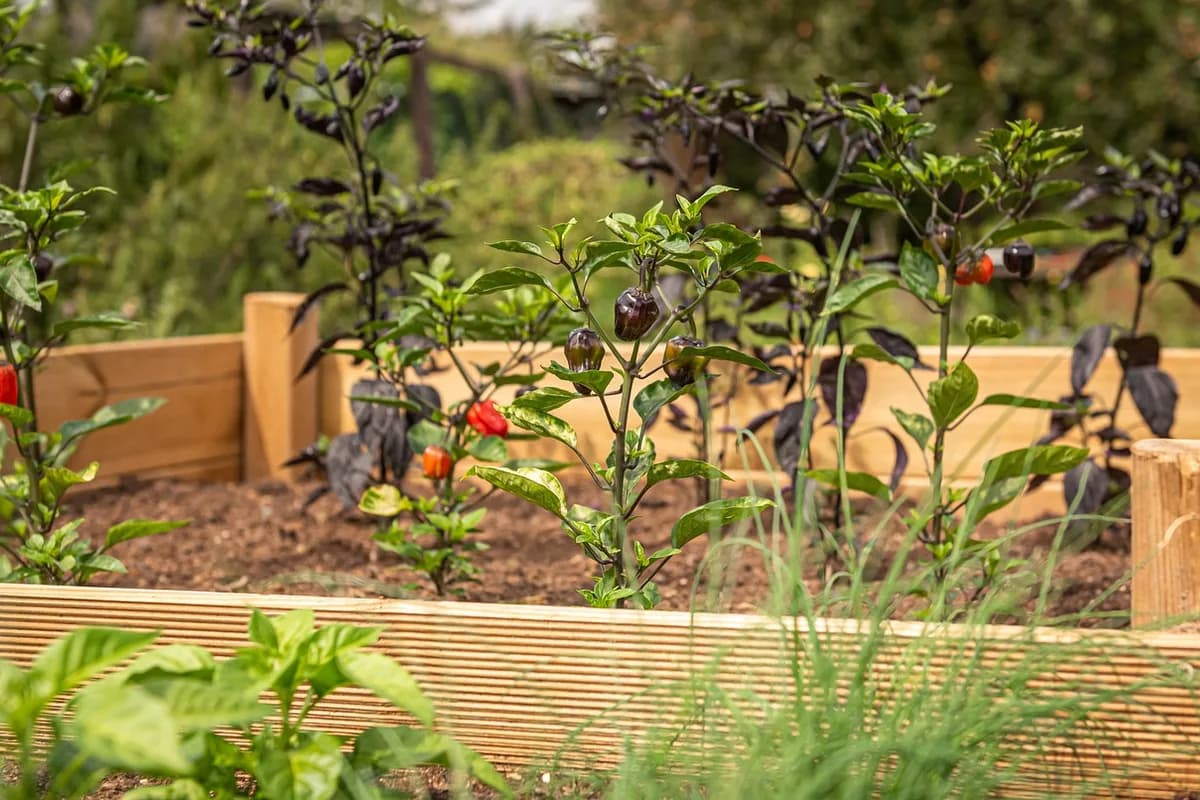
You should reach the middle from both sides without stepping on the soil.
Untreated pine, cedar or cypress. Never creosote railroad ties.
Plain brown cardboard or landscape fabric blocks weeds but drains.
Fill with half compost, half topsoil, and top it up each year.
Keep a garden journal in Evernote. Log what you see, get a reminder, and ask what worked last season.
Choose a sunny spot near water. Keep beds no wider than 4 feet if you can reach them from both sides, or 2 feet against a wall. A 4 by 8 foot bed 1 foot deep gives 32 square feet, enough for 6 to 8 large tomato plants.
Kill off existing grass and weeds by covering the area with cardboard, plastic or layers of newspaper, ideally in fall for a spring bed.
For a 4 by 8 by 1 foot bed, use six 2 by 6 inch boards, 8 feet long: two full boards per long side, stacked, and one board cut in half for each end. Use untreated pine or fir, or cedar, which resists rot.
Butt the boards together at each corner with a 2 by 2 inch post, 1 foot long, inside, and fix them with 3-inch wood or deck screws, about 12 per corner. Metal raised bed corners work too.
Put plain brown cardboard or black landscape fabric inside the frame. Do not use printed cardboard, which can leach chemicals, or plastic sheeting, which blocks drainage and causes root rot.
Fill with a 1:1 mix of compost and garden soil or topsoil. Work out the amount as length × width × height: 32 cubic feet for a 4 × 8 × 1 foot bed. The mix settles, so add soil and compost each year.
| Item | Detail |
|---|---|
| 1Size | 4 x 8 x 1 ft |
| 6Soil | 32 cubic feet |
| Time | An afternoon |
| 3Lumber | Six 2 x 6 inch boards, 8 ft, untreated fir |
| 4Posts and screws | Four 2 x 2 inch posts, 1 ft, and 48 3-inch deck screws |
| 5Underlayment | Plain brown cardboard, no print |
| 6Soil mix | 16 cubic ft compost + 16 cubic ft topsoil |
| Tools | Saw, drill or screwdriver, shovel, tape measure |
Planning a bed 18 to 24 inches deep? Reinforce the long sides: wet soil can bow them out.
What Penn State and Illinois Extension say about common materials.
| Material | Pros | Watch out |
|---|---|---|
| Untreated pine or fir | Cheap, easy to cut | Rots sooner |
| Cedar, cypress or redwood | Naturally rot-resistant, long-lasting | Costs more |
| Newer pressure-treated wood (CA, ACQ) | Lasts long, less toxic than older treatments | Some gardeners still avoid it for food |
| Concrete blocks, brick, stone, metal | Durable | Heavier to build with |
| Railroad ties | None for food beds | Never use: treated with creosote |
Sources: Penn State Extension, "Raised Bed Gardening"; University of Illinois Extension, "Elevate your expectations with raised bed gardening" and "Raised Bed Checklist".
One note per plant or bed. Copy it, or save it to your Evernote account and add a line every time you are in the garden.
Plant: [crop] in the raised bed · Variety: [name]
Planted: [date] · Spot: [bed, pot or row]
Sun: [hours a day] · Water: [how much, how often]
Expect: [first flowers, harvest or bloom date]
Log:
[date]: [what you saw], [what you did]
[date]: [what you saw], [what you did]
Next year: [what to change]
4.4
2,100+ reviews on G2

4.4
8,200+ reviews on Capterra

4.4
73,000+ reviews on App Store

248M
Registered users

Most are 6 to 12 inches tall, which is deep enough for annual vegetables. Some sources suggest 18 to 24 inches, which needs less watering, and 24 inches suits wheelchair access.
No wider than 4 feet if you can reach it from both sides, and about 2 feet if only one side is accessible, so you never step on the soil.
Untreated pine or fir, or naturally rot-resistant cedar, cypress or redwood. Never use creosote-treated railroad ties.
Illinois Extension recommends a 1:1 mix of compost and garden soil or topsoil. Expensive potting soil is not needed.
Multiply length × width × height in the same unit. A 4 by 8 by 1 foot bed needs 32 cubic feet.
Plain brown cardboard or black landscape fabric. Both block weeds and let water drain. Avoid plastic sheeting, which causes root rot.
Keep a garden journal in a Garden notebook, with one note per plant or bed and a dated log in a table.
Tell the AI Assistant what happened in a few words, such as "filled the bed with compost and topsoil". It adds a dated row to the log table in your note.
Ask for a reminder counted from a date in your log, such as "Remind me to top up the soil 1 year after filling". The Assistant reads the date and sets the reminder on the note.
Next year, ask "What went wrong with the raised bed last year?" The AI Assistant reads all your garden notes and answers from them.
Log what you see in a few words, get a reminder at the right time, and ask your journal what worked last season.
Start for free