
4.4
2,100+ reviews on G2

Starting a garden means choosing a spot with 6 to 8 hours of sun and water nearby, testing the soil, starting small with a few plants you want, and keeping a journal of what you planted and when. That works for a vegetable garden and a flower garden alike. Four first steps:
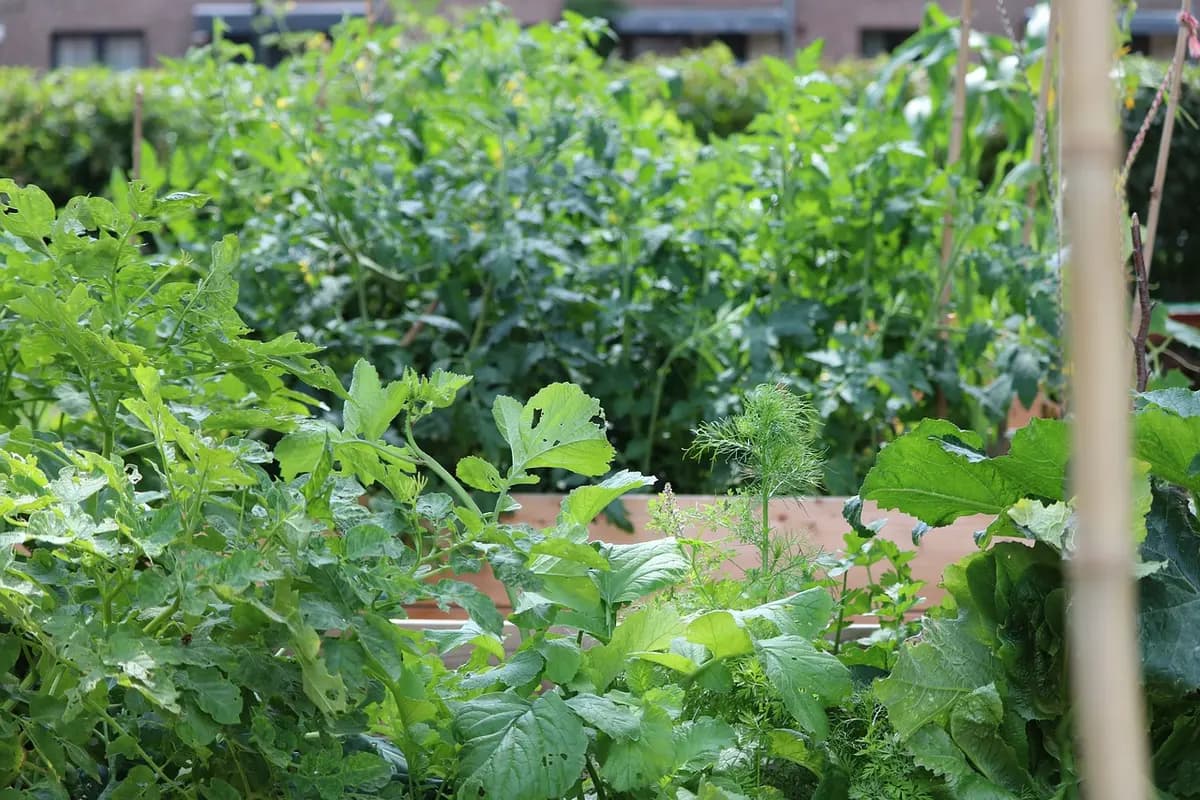
Most fruiting vegetables need 6 to 8 hours of sun and a hose nearby.
A soil test shows what the soil lacks before you buy anything.
Grow only what you have time to look after, then expand next year.
Extension services advise recording varieties, dates and harvests.
Keep a garden journal in Evernote. Log what you see, get a reminder, and ask what worked last season.
Penn State Master Gardeners suggest planning in January. Read seed packets and catalogs for each plant's spacing, sun needs and days to harvest.
Pick a place with 6 to 8 hours of sun for fruiting vegetables such as tomatoes and peppers. Leafy crops like lettuce and spinach manage with less. Stay away from trees and shrubs, whose roots steal water and nutrients.
Send a soil sample to your state's extension service, or use their kit, before you plant. The report says whether you need to add lime, nutrients or organic matter.
Choose raised beds, wide rows, a keyhole bed or traditional rows. Start small until you know how much time the garden takes.
Choose what you like to eat or see, and how much you need: how many people you feed and whether you will preserve any. For flowers, group plants with the same sun and water needs.
Follow the planting dates on each packet for your frost dates. Mulch around plants to keep moisture in and weeds down, and keep a water source close by.
Record the varieties, seeding and planting dates, pests and diseases, weather, harvest dates and yields. Extension services say these notes are valuable when you plan future gardens.
| Item | Detail |
|---|---|
| Size | 4 x 8 ft bed |
| Sun | 7 hours |
| Soil test | pH 6.4 |
| 2Spot | South side of the garage, 20 ft from the maple |
| 3Soil | Extension soil test: add compost, no lime needed |
| 4Shape | One raised bed, path all around |
| 5Tomatoes | 2 tomato plants (we eat a lot of salad) |
| Lettuce | 1 row of leaf lettuce, sown twice |
| Herbs and flowers | 2 basil plants and a patch of zinnias for the bees |
| 7Journal | Varieties, planting dates, weather, pests, harvests |
Next year: rotate the tomatoes to the other end of the bed and write down why.
One note per plant or bed. Copy it, or save it to your Evernote account and add a line every time you are in the garden.
Plant: [plant] · Variety: [name]
Planted: [date] · Spot: [bed, pot or row]
Sun: [hours a day] · Water: [how much, how often]
Expect: [first flowers, harvest or bloom date]
Log:
[date]: [what you saw], [what you did]
[date]: [what you saw], [what you did]
Next year: [what to change]
4.4
2,100+ reviews on G2

4.4
8,200+ reviews on Capterra

4.4
73,000+ reviews on App Store

248M
Registered users

Choose a spot with 6 to 8 hours of sun and water nearby, test the soil, start with a small bed of a few crops you like, plant on the dates on the seed packet and keep a journal.
Most fruiting vegetables need at least 6 to 8 hours of sunlight, according to Illinois Extension. Leafy vegetables like lettuce and spinach grow with less.
The same first steps apply: pick the spot, test the soil and start small. Then choose flowers that match the hours of sun the spot gets, and group plants with similar water needs.
Illinois Extension advises testing before you start, to find out whether the soil lacks nutrients. State extension services offer kits and lab tests.
Extension services recommend recording varieties, seeding and planting dates, insect and disease problems, weather, harvest dates and yields, because the notes help you plan future gardens and crop rotation.
Start small until you know how much time you have to spend, Penn State Master Gardeners advise. A few crops in one bed are enough for a first season.
Keep a garden journal in a Garden notebook, with one note per plant or bed and a dated log in a table.
Tell the AI Assistant what happened in a few words, such as "planted 2 basil, lettuce is up". It adds a dated row to the log table in your note.
Ask for a reminder counted from a date in your log, such as "Remind me to look for ripe tomatoes 60 days after planting". The Assistant reads the date and sets the reminder on the note.
Next year, ask "Why did I pick the spot by the garage?" The AI Assistant reads all your garden notes and answers from them.
Log what you see in a few words, get a reminder at the right time, and ask your journal what worked last season.
Start for free