
4.4
2,100+ reviews on G2

Belly fat is the fat under the skin of your stomach plus visceral fat, which sits deeper around your organs and is the kind linked to health risks. You lose it the same way you lose fat anywhere, with four habits:
Mostly plants, lean protein, fewer sugary drinks and smaller portions.
150 minutes of moderate activity, or 75 minutes of vigorous.
At least twice a week. Sit-ups alone will not shift visceral fat.
Measure just above your hipbones, once every couple of weeks.
Track it in Evernote. Log waist by chat, set a two-week check, and get a trend summary.
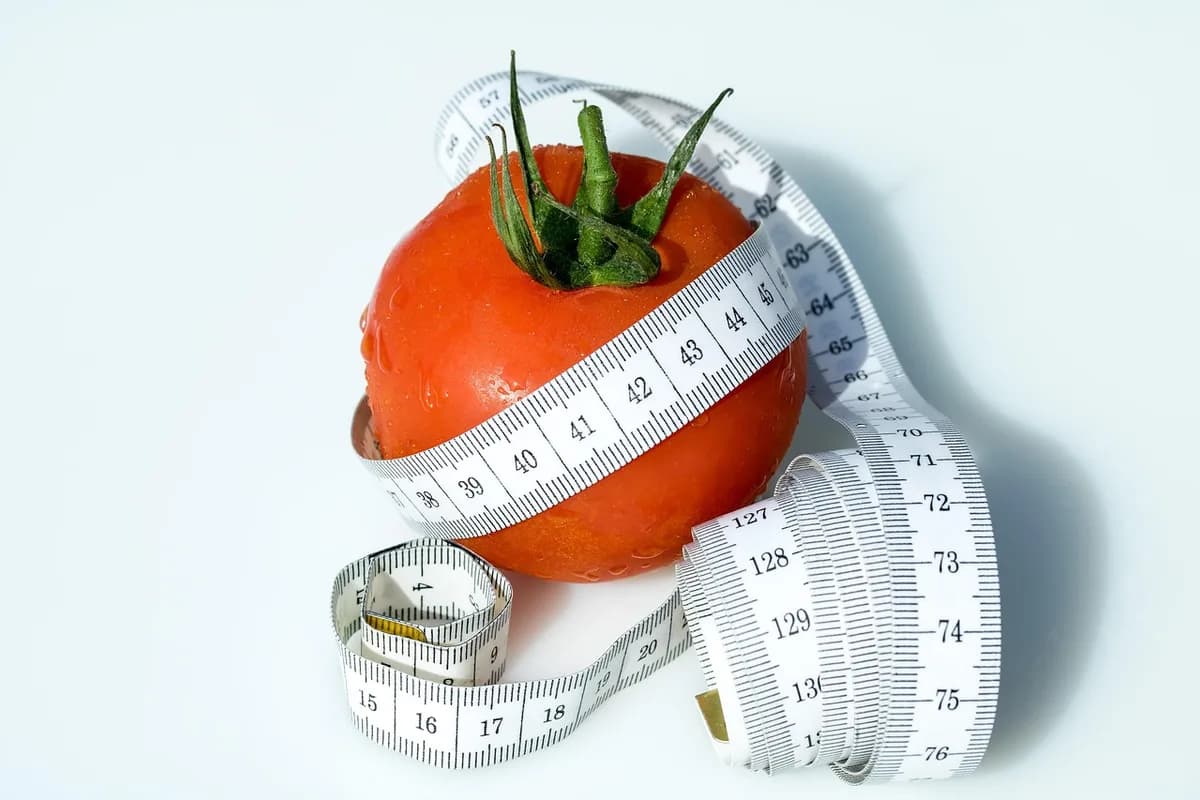
Stand up, wrap a tape measure around your middle just above your hipbones, and read it right after you breathe out. Write down the number and the date.
The NIH links a waist of more than 35 inches for women or 40 inches for men with higher health risk. The NHS suggests keeping your waist to less than half your height.
The NHS advises a healthy balanced diet, cutting down on high-fat or sugary foods and eating plenty of fruit and vegetables. Its calorie guide suggests water or sugar-free drinks instead of sugary ones.
The NHS recommends at least 150 minutes a week of moderate activity, like brisk walking, or 75 minutes of vigorous activity, like jogging.
Harvard Health reports that aerobic activity and strength training can help trim visceral fat. Sit-ups tighten the muscles underneath but, as Harvard Health puts it, they "won't get at visceral fat".
Harvard Health reports that adults under 40 who slept five hours or less a night gained more visceral fat over five years. The NIDDK recommends 7 to 9 hours for adults 18 to 64.
| Date | Waist | Activity | Notes |
|---|---|---|---|
| 1Nov 9 | 38.5 in | Walk, 30 min | Starting point |
| 3Nov 10 | 38.4 in | Strength, 25 min | Water instead of soda |
| 4Nov 11 | 38.4 in | Walk, 35 min | Smaller dinner plate |
| 5Nov 12 | 38.3 in | Strength, 25 min | Slept 7.5 h |
| Nov 13 | 38.3 in | Walk, 40 min | No late snack |
| 6Nov 14 | 38.2 in | Bike, 45 min | Slept 8 h; waist recheck |
Waist method from the NHLBI. A change of a fraction of an inch is normal noise; look at the trend over two months.
BMI does not show where fat sits, so the NHLBI and the NHS add a waist measurement. These are the adult thresholds they publish.
| Measure | Women | Men | Source |
|---|---|---|---|
| Waist size | More than 35 in | More than 40 in | NIH (NHLBI) |
| Waist-to-height | Waist under half your height | Waist under half your height | NHS |
Sources: NIH National Heart, Lung, and Blood Institute, "Assessing your weight and health risk"; NHS obesity treatment page.
Copy it, or save it to your Evernote account and add a line every two weeks.
Height: [height] · Half my height: [number]
How I measure: standing, just above my hipbones, after breathing out
[Date] · Waist: [inches] · Habits that week: [food, activity, sleep]
[Date] · Waist: [inches] · Habits that week: [food, activity, sleep]
Next change to try: [one habit]
4.4
2,100+ reviews on G2

4.4
8,200+ reviews on Capterra

4.4
73,000+ reviews on App Store

248M
Registered users

Lower your total body fat with a healthy diet, smaller portions, regular aerobic activity and strength training. Harvard Health notes that visceral fat responds more efficiently to diet and exercise than fat on the hips and thighs.
Not on their own. Sit-ups and crunches strengthen the muscles under the fat, but Harvard Health says spot exercises like these "won't get at visceral fat". Fat comes off through overall weight loss.
Visceral fat surrounds the organs deep in the abdomen. Harvard Health links it with higher risk of heart disease, type 2 diabetes, dementia, asthma and some cancers. The NHS also lists high blood pressure, stroke, fatty liver disease and osteoarthritis.
The NIH links a waist of more than 35 inches for women or more than 40 inches for men with higher health risk. The NHS suggests keeping your waist to less than half your height.
The sources on this page do not recommend one eating window for belly fat. What matters is the total: eating a little less than you use, consistently, alongside activity. If you want to try a fasting schedule, check with a doctor first, especially if you take medicine or have diabetes.
It depends on how much you have to lose and how much you change. The NHS advises a steady 1 to 2 pounds a week, and the waist can shrink gradually along with it.
Yes. Harvard Health reports that in a five-year study, adults under 40 who slept five hours or less a night gained significantly more visceral fat. The NIDDK recommends 7 to 9 hours for adults 18 to 64.
Keep a waist and habits log in Evernote. The AI Assistant fills in a row from one message, sets a two-week measuring task, and sums up the trend.
Keep a table with the date, waist, activity and a short note. Tell the Assistant today's numbers and it fills in the row.
Ask the Assistant to remind you to measure your waist every two weeks. It creates a repeating task with a reminder.
Ask the Assistant to sum up the log: waist change, active days and strength days.
Log your waist and habits in a sentence, set a two-week measuring reminder, and ask the AI Assistant how the trend looks.
Start for free