
4.4
2,100+ reviews on G2

Losing weight means using more energy than you take in, steadily, through eating and activity changes you can keep up. The NHS points to four basics:
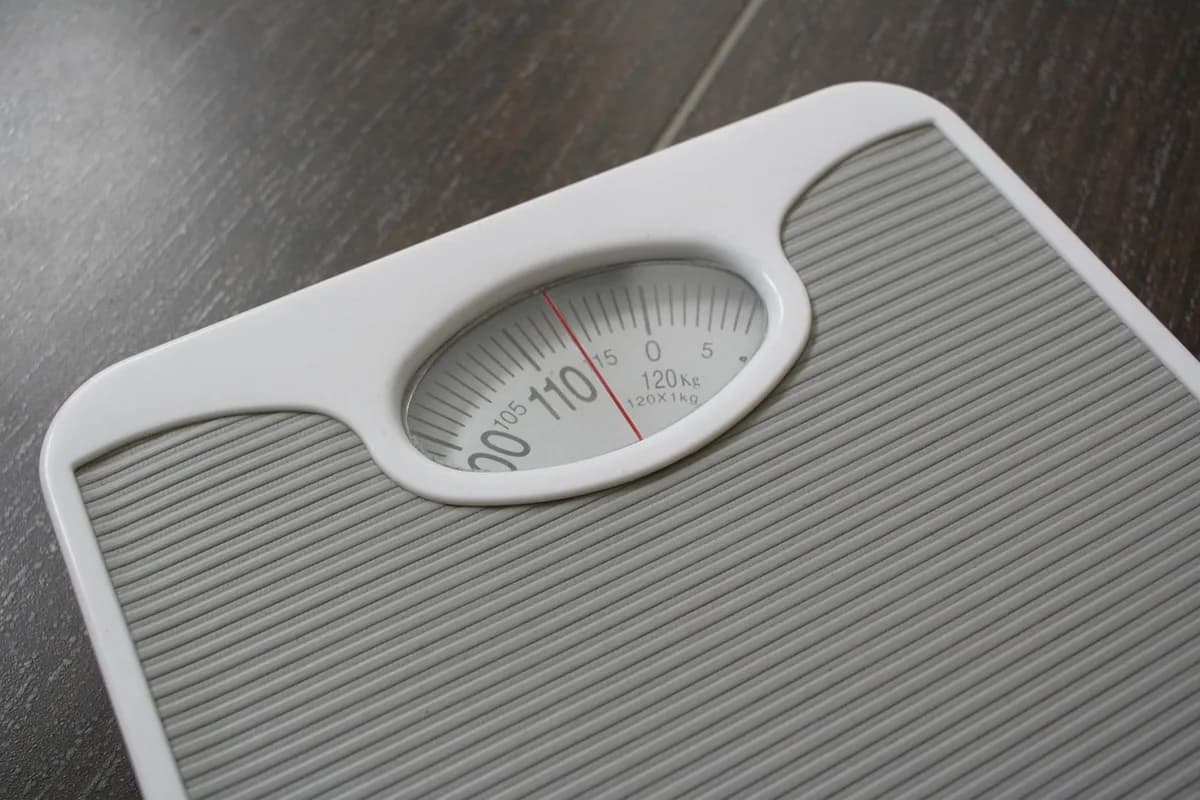
The NHS advises this steady pace for adults.
Losing 5% to 10% of your weight can improve your health.
Moderate activity each week, plus strength work on 2 days.
Write down what you eat and do, then change one thing at a time.
Track it in Evernote. Log meals by chat, set a weekly weigh-in, and get a week summary.
Start with your reason: more energy, a health goal, keeping up with your kids. A clear reason helps on the days the plan feels hard.
Before you change anything, note what you eat and drink, how active you are and how you sleep for a few days. It shows where the easy changes are.
Focus on two or three goals at a time, and make them concrete: "water instead of soda at lunch on workdays", not "eat better".
The NHS gives about 2,000 calories a day for an average woman and 2,500 for a man as a guide. Its calorie-counting advice is to look at a typical day and find where to cut around 600 calories.
Build up to 150 minutes of moderate activity a week, like brisk walking, plus strengthening on 2 days, as the NHS recommends. A 15-minute walk after dinner is a fine start.
Short sleep is linked to weight gain. The NIDDK recommends 7 to 9 hours a night for adults aged 18 to 64. NHS Better Health notes that poor sleep can make you more likely to choose high-calorie foods.
Weigh yourself regularly at the same time and compare the trend. Tell a friend your goals, and talk to a doctor before big changes if you have a health condition.
| Day | Meals | Snacks | Activity |
|---|---|---|---|
| 2Mon | Oatmeal with berries; turkey wrap; chicken and vegetables | Apple, almonds | Brisk walk, 30 min |
| 3Tue | Yogurt and granola; lentil soup; baked salmon with rice | Carrot sticks, hummus | Brisk walk, 30 min |
| Wed | Eggs on toast; chicken salad; beef stir-fry | Orange, walnuts | Strength, 25 min |
| 5Thu | Oatmeal; tuna wrap; turkey chili | Yogurt, grapes | Brisk walk, 40 min |
| Fri | Eggs and toast; leftover chili; shrimp with pasta | Banana, peanuts | Brisk walk, 30 min |
| Sat | Pancakes; grilled chicken salad; vegetable soup | Apple, cheese | Bike ride, 45 min |
| 7Mon 16 | Weigh-in before breakfast | 184.6 lb |
Goals follow the NHS advice on steady weight loss. Next week: keep the walks and add a second strength day.
The NHS says losing 5% to 10% of your body weight can improve your health, and asks for a steady 1 to 2 pounds a week. Here is what 5% means for three starting weights.
| Starting weight | 5% of it | At 1-2 lb a week |
|---|---|---|
| 160 lb | 8 lb | About 4 to 8 weeks |
| 200 lb | 10 lb | About 5 to 10 weeks |
| 250 lb | 12.5 lb | About 7 to 13 weeks |
Sources: NHS, "Overweight and obesity in adults" (5% to 10% benefit, 1 to 2 pounds a week). Weeks are simple division.
Copy it, or save it to your Evernote account and fill in one line a day. Bring it to your next checkup if you want to talk it through.
Week of: [Monday date] · Goal: [what you want to change]
Weigh-in: [day and time] · [weight]
Mon: [meals] · Snacks: [snacks] · Activity: [minutes and type]
Tue: [meals] · Snacks: [snacks] · Activity: [minutes and type]
Wed to Sun: [one line a day, same format]
How I felt this week: [energy, sleep, hunger]
Next week I will try: [one small change]
4.4
2,100+ reviews on G2

4.4
8,200+ reviews on Capterra

4.4
73,000+ reviews on App Store

248M
Registered users

Eat and drink a little less than your body uses, move more, sleep enough and track your progress, at a pace of about 1 to 2 pounds a week. The NHS advises a steady pace of 1 to 2 pounds a week.
Activity helps, but it works best together with changes to what you eat. The NHS recommends at least 150 minutes of moderate activity a week, like brisk walking, plus strengthening on 2 days. Pick the activity you will keep doing.
It depends on your size, age and activity. The NHS gives 2,000 calories a day for an average woman and 2,500 for a man as a guide, and suggests finding around 600 calories to cut from a typical day. The NIH Body Weight Planner gives a personal estimate.
Not reliably. The NIDDK says the 3,500-calorie rule overestimates weight loss, because your body adapts as you eat less and weight loss slows over time.
The NHS says losing 5% to 10% of your body weight can improve your health. For a 200-pound person, 5% is 10 pounds.
Make changes you can live with, like a 15-minute walk 3 days a week, and add new goals as they become habits. Keep tracking after you reach your goal, so you notice early if weight creeps back.
The NHS advises speaking to a GP or health professional first if you have a medical condition, follow a special diet or have a history of an eating disorder. A doctor can also help you set a target that suits you.
Track meals, walks and the Monday weigh-in in one Evernote table. The AI Assistant fills in a row from one message, sets the weigh-in task, and sums up the week.
Add today's meals, snacks and walk in one message, and the Assistant fills in the row.
Set a weekly loss check. Ask the Assistant for a repeating Monday weigh-in task at 7 AM, with a reminder.
Ask the Assistant to sum up the log: days logged, meals, activity and the Monday weigh-in task.
Log meals in a sentence, get a reminder to weigh in every Monday, and ask the AI Assistant how the week went.
Start for free