
4.4
2,100+ reviews on G2

Planting lavender means putting young plants or cuttings in full sun, about 8 hours a day, in extremely well-drained soil, with room between plants for air, and watering them regularly only in their first year. Lavender needs sharp drainage; wet soil is what usually kills it. Four things matter:
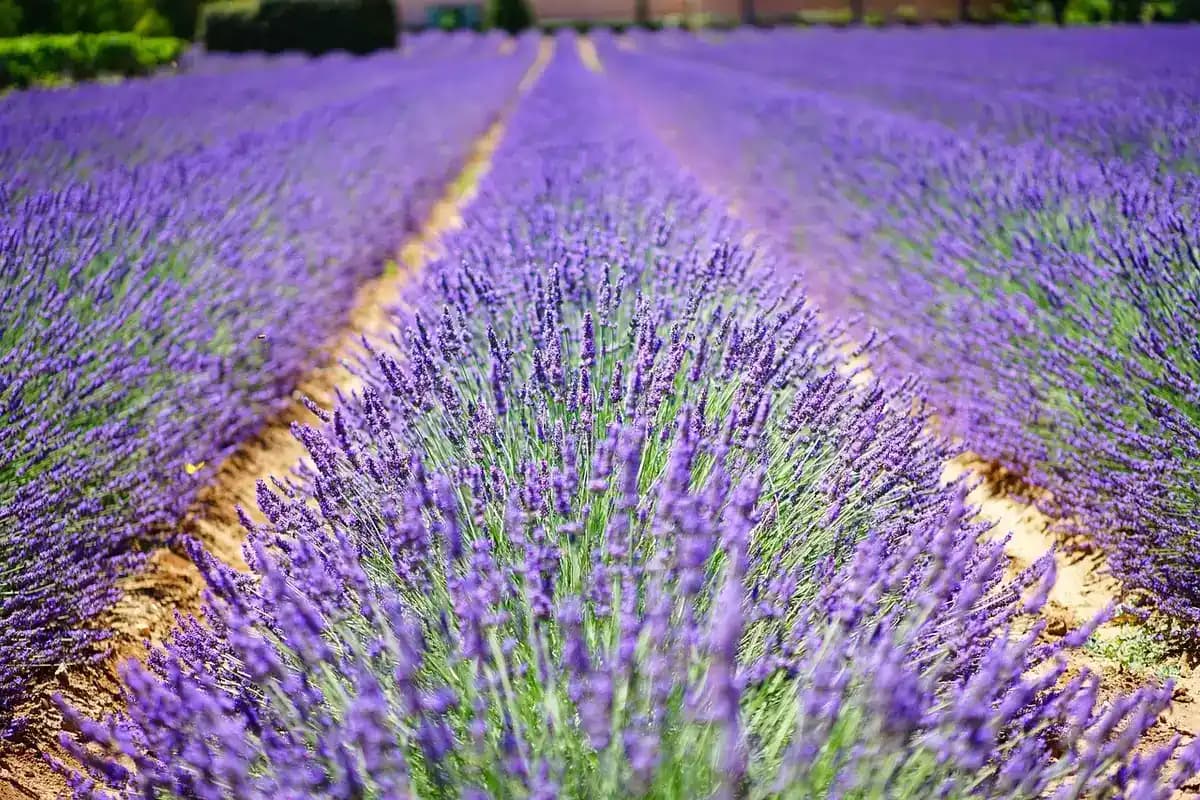
English lavender needs full sun, about 8 hours a day.
Soil that stays wet in winter shortens its life. Raised beds help.
Seed is slow to sprout and many varieties do not come true.
Wait for new growth. Never cut into the bare, leafless wood.
Keep a garden journal in Evernote. Log what you see, get a reminder, and ask what worked last season.
Buy young plants or take stem cuttings in summer. Seed is slow to germinate and many varieties do not grow true from seed. English lavender (Lavandula angustifolia), such as Munstead, is the most popular for USDA zones 5 to 8.
Pick a spot with about 8 hours of sun a day and soil that never stays wet. If your soil drains poorly, plant in a raised bed or a container with potting mix that has no added fertilizer.
Do not crowd lavender. Leave plenty of space between plants for air to move and leaves to stay dry. English lavender grows 1½ to 2 feet tall.
Mulch with rock or pea gravel to keep the crown dry. Water regularly in the first year. After that, water only when the soil dries out, and skip fertilizer.
Cut stems just as the flowers start to open, when the scent is strongest. Hang them in small bunches somewhere cool, dry and dark to dry.
Do not cut back in fall. In spring, when new growth shows, cut dead stems to the first green leaves. After flowering, remove one-third to one-half of the plant to keep it compact, never below the leafy part.
| Date | What I saw | What I did |
|---|---|---|
| 1May 3 | 5 Munstead plants from the nursery | Bought plants, not seed |
| 2May 3 | Raised bed, sun 7 AM to 4 PM | Planted, gravel mulch around crowns |
| 3May 3 | Bed 6 ft long | 18 inches between plants |
| 4May to Sep | First year | Watered weekly, no fertilizer |
| 5Jul 8 | Flowers just opening | Cut 2 bunches to dry |
| 6Apr 12 | New green growth at the base | Cut dead stems to first green leaves |
No fall cutback. Wait for new spring growth (Illinois Extension).
One note per plant or bed. Copy it, or save it to your Evernote account and add a line every time you are in the garden.
Plant: Lavender · Variety: [name]
Planted: [date] · Spot: [bed, pot or row]
Sun: [hours a day] · Water: [how much, how often]
Expect: [first flowers, harvest or bloom date]
Log:
[date]: [what you saw], [what you did]
[date]: [what you saw], [what you did]
Next year: [what to change]
4.4
2,100+ reviews on G2

4.4
8,200+ reviews on Capterra

4.4
73,000+ reviews on App Store

248M
Registered users

In full sun, about 8 hours a day, in extremely well-drained soil. If your soil stays wet, use a raised bed or a container.
It is difficult: the seed is slow to germinate and many varieties do not come true from seed. Illinois Extension suggests starting from cuttings, division or nursery plants.
Regularly in the first year after planting. Once established it is drought tolerant: water only when the soil dries out.
Most often from wet soil. Illinois Extension says dampness, more than cold, kills lavender, along with high humidity and poor air circulation.
In spring, once new growth appears, and again after flowering, removing one-third to one-half. Never cut below the leaves into the bare wood, which does not regrow, and do not cut back in fall.
No. Added fertilizer causes extra leaves and fewer flowers, according to Illinois Extension.
Keep a garden journal in a Garden notebook, with one note per plant or bed and a dated log in a table.
Tell the AI Assistant what happened in a few words, such as "cut 2 bunches to dry, flowers just opening". It adds a dated row to the log table in your note.
Ask for a reminder counted from a date in your log, such as "Remind me to prune the lavender 9 months from now". The Assistant reads the date and sets the reminder on the note.
Next year, ask "Why did my lavender die last year?" The AI Assistant reads all your garden notes and answers from them.
Log what you see in a few words, get a reminder at the right time, and ask your journal what worked last season.
Start for free