
4.4
2,100+ reviews on G2

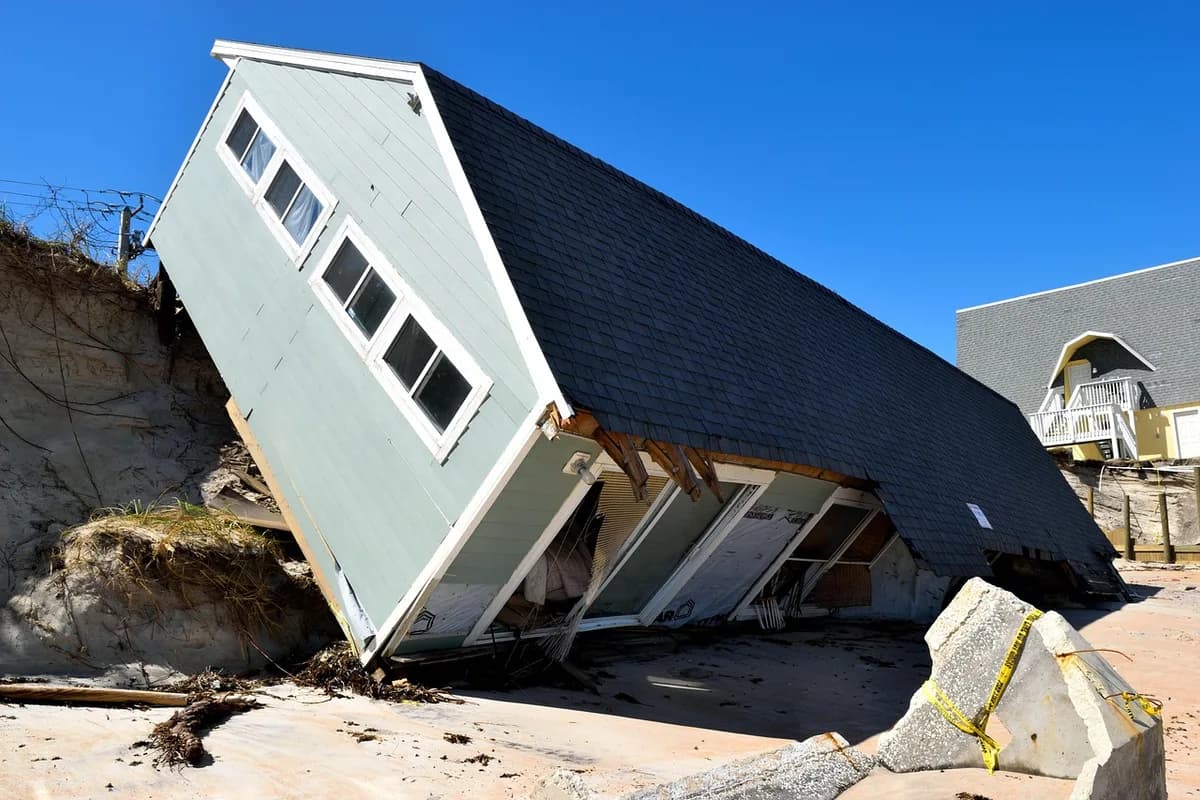
Preparing for a hurricane means knowing your evacuation zone, making a plan, gathering supplies and securing your home well before a storm, then following local officials when one comes. Four parts cover the basics:
Find your evacuation zone and routes.
Everyone in the household knows it.
For days or even weeks after the storm.
Gutters cleared, furniture in, shutters.
Get ready in Evernote. Ask the AI Assistant for a Ready.gov kit list, then find a number in a scan.
The Atlantic hurricane season runs June 1 to November 30, the Eastern Pacific May 15 to November 30. Rain, wind and tornadoes can reach far inland.
Learn your evacuation routes, practice them with your household and pets, and decide where you will stay.
Sign up for community alerts. The FEMA app can send National Weather Service alerts for up to five locations; Wireless Emergency Alerts need no sign-up.
Water, food, medicines, disinfecting supplies and pet supplies in a go bag or car trunk. You may not be able to get supplies for days or weeks after a hurricane.
Check that insurance policies and IDs are up to date, and keep copies in a secure, password-protected digital space.
Clear drains and gutters, bring in outdoor furniture and consider hurricane shutters.
When a hurricane is in the forecast, keep your phone charged and buy backup chargers.
If you live in a mandatory evacuation zone and local officials tell you to evacuate, do so immediately.
Issued by the National Hurricane Center and your local National Weather Service office.
| Alert | What it means | What to do |
|---|---|---|
| Hurricane Watch | Hurricane conditions (winds 74 mph or more) possible; issued 48 hours before tropical-storm-force winds are expected | Finish preparing; evacuate if told to |
| Hurricane Warning | Hurricane conditions expected; issued 36 hours before tropical-storm-force winds | Complete preparations; evacuate immediately if ordered |
| Storm Surge Warning | Life-threatening rising water from the coast, generally within 36 hours | Check for evacuation orders |
| Tropical Storm Warning | Winds of 39 to 73 mph expected within 36 hours | Secure your home; stay informed |
| Extreme Wind Warning | Winds of 115 mph or more expected within an hour | Shelter in an interior room of a sturdy building |
National Weather Service, "Hurricane and Tropical Storm Watches, Warnings, Advisories and Outlooks"; Ready.gov, "Hurricanes".
4.4
2,100+ reviews on G2

4.4
8,200+ reviews on Capterra

4.4
73,000+ reviews on App Store

248M
Registered users

June 1 to November 30 in the Atlantic, and May 15 to November 30 in the Eastern Pacific.
A watch means hurricane conditions are possible; it is issued 48 hours before tropical-storm-force winds are expected. A warning means they are expected; it is issued 36 hours ahead, and preparations should be complete.
Historically, storm surge has been the leading cause of hurricane-related deaths in the United States, according to Ready.gov.
If you are in a mandatory evacuation zone and local officials tell you to leave, leave immediately. Follow their instructions over any general advice.
In a designated storm shelter or an interior room for high winds. If flooding traps you, go to the highest level, but not into a closed attic.
No. Turn around, don't drown: six inches of fast-moving water can knock you down, and one foot can sweep a vehicle away.
Follow local officials, stay out of flood water, avoid wet electrical equipment, photograph any damage and contact your insurance company.
Keep your hurricane plan, go bag list and insurance documents in one notebook, on your phone and computer.
Ask the AI Assistant to search Ready.gov and make a hurricane go bag checklist for your household. It adds the list to a note, with the source.
Scan the home and flood insurance policies into the notebook. Ask for the policy number, and the Assistant finds it in the scan.
Ask the Assistant for a task that repeats every year, to replace expired food and medicines before hurricane season. You get a reminder each time.
Build your kit checklist, keep copies of your documents searchable, and get a reminder to check the kit every year.
Start for free