
4.4
2,100+ reviews on G2

Preparing for a winter storm means getting your home, car and household ready to stay safe and warm for several days without power, as Ready.gov advises. It comes down to four things:
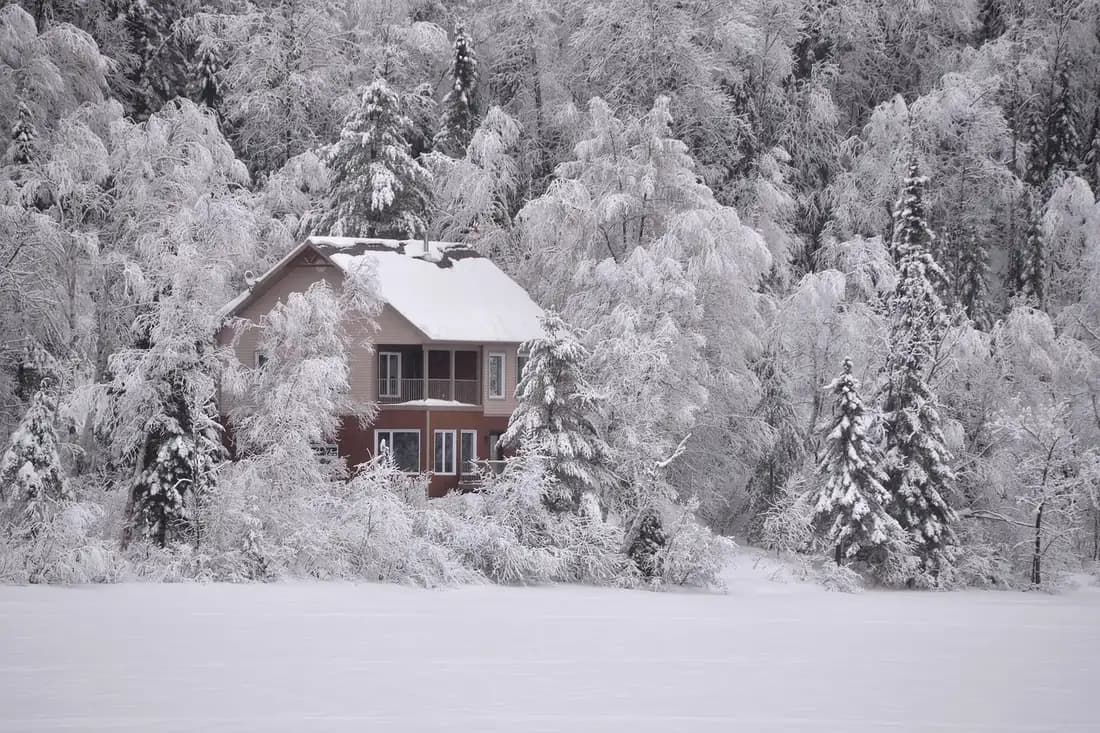
Watch, warning and advisory mean different things.
Water, food, light, radio and warmth for several days.
Insulate, protect pipes, test CO and smoke alarms.
A car kit and a full tank of gas.
Get ready in Evernote. Ask the AI Assistant for a Ready.gov kit list, then find a number in a scan.
Sign up for your community's warning system. The Emergency Alert System and NOAA Weather Radio also carry alerts. Follow local officials' instructions.
At least 1 gallon of water per person per day, for several days, and a several-day supply of non-perishable food. The Red Cross suggests a 2-week supply for home.
Flashlights, extra batteries, a battery-powered or hand-crank radio, and phone chargers with a backup battery.
Blankets or sleeping bags and warm clothes for each person, a first aid kit, and enough of each person's medicines. Remember your pets.
Keep out the cold with insulation, caulking and weather stripping. Learn how to keep pipes from freezing. Install and test smoke alarms and carbon monoxide detectors with battery backups.
Jumper cables, sand, a flashlight, warm clothes, blankets, bottled water and non-perishable snacks. Keep a full tank of gas.
Insurance policies, IDs and medical information, saved electronically or in a waterproof container.
The Red Cross suggests a 2-week supply for home. For 4 people, that is 56 gallons of water.
Your local National Weather Service office issues these, using local criteria.
| Alert | What it means | What to do |
|---|---|---|
| Winter Weather Advisory | Snow, ice or sleet expected, below warning level | Be aware; drive with caution |
| Winter Storm Watch | Conditions favorable for a significant winter storm, usually 12-48 hours ahead | Be prepared: check your kit and plans |
| Winter Storm Warning | Significant snow, ice or sleet imminent or occurring, usually 12-24 hours ahead | Take action: stay off the roads, find shelter |
| Ice Storm Warning | Ice of around 1/4 inch or more | Expect power outages; avoid travel |
| Blizzard Warning | Gusts of 35 mph or more and snow cutting visibility under 1/4 mile for 3+ hours | Do not travel |
| Wind Chill Warning | Dangerously low wind chill | Stay indoors; dress warmly if you must go out |
National Weather Service, "Winter Weather Warnings, Watches and Advisories"; Ready.gov, "Winter Weather" (watch and warning timing).
Fill it in together, then keep a copy on every phone. Copy it, or save it to your Evernote account and share the note with your household.
How we get alerts: [community alert system] · [NOAA Weather Radio] · [phone alerts]
Household: [names] · [ages] · [medical needs and medicines]
Out-of-area contact: [name] · [phone]
Meeting place near home: [place] · Outside our area: [place]
Shelter plan: [safest room] · Evacuation route: [route]
Pets: [names] · [food and supplies]
Kit location: [where] · Last checked: [date]
4.4
2,100+ reviews on G2

4.4
8,200+ reviews on Capterra

4.4
73,000+ reviews on App Store

248M
Registered users

Find shelter right away, stay off the roads if at all possible, and follow local officials' instructions. Limit time outside and wear layers if you go out.
A watch means conditions are favorable for a significant winter storm, usually 12-48 hours ahead: get ready. A warning means hazardous snow, ice or sleet is imminent or happening: take action.
Prepare as for any winter storm, and expect power outages: ice of around 1/4 inch can snap power lines and bring down branches. Charge phones and backup batteries early and avoid travel.
Stock your kit so you can stay home for several days, and do not plan to travel: blizzard conditions bring strong wind and snow that cut visibility below 1/4 mile.
At least 1 gallon per person per day, for several days. For 4 people and 3 days, that is 12 gallons. The Red Cross suggests a 2-week supply at home.
No. Ready.gov says never to heat your home with a gas stovetop or oven, because using one for heat can increase the risk of fires and burns. Use generators and grills only outdoors, away from windows.
Outdoors, at least 20 feet from windows, doors and attached garages, and kept dry. Install carbon monoxide detectors on every level of your home.
Ready.gov says to stay inside the car if you are trapped. Keep a car kit with warm clothes, blankets, water and snacks.
Frostbite: numbness and white, grayish-yellow, firm or waxy skin. Hypothermia: shivering, exhaustion, confusion, fumbling hands, slurred speech or drowsiness. A body temperature below 95°F is an emergency: get medical help.
Keep your winter storm plan, kit list and document copies in one notebook, on your phone and computer.
Ask the AI Assistant to search Ready.gov and make a winter storm kit checklist for your household. It adds the list to a note, with the source.
Scan IDs, the home insurance policy and medical cards into the notebook. Ask for the policy number, and the Assistant finds it in the scan.
Ask the Assistant for a task that repeats every year, to replace expired food and batteries and update the winter kit. You get a reminder each time.
Build your kit checklist, keep copies of your documents searchable, and get a reminder to check the kit every year.
Start for free