
4.4
2,100+ reviews on G2

Some paper receipts are printed on thermal paper coated with bisphenol A (BPA) or a similar chemical, bisphenol S (BPS), and some of it passes through the skin when you handle them. Diet is the main source of BPA, and research on the effects of receipt handling is ongoing. Four facts help:
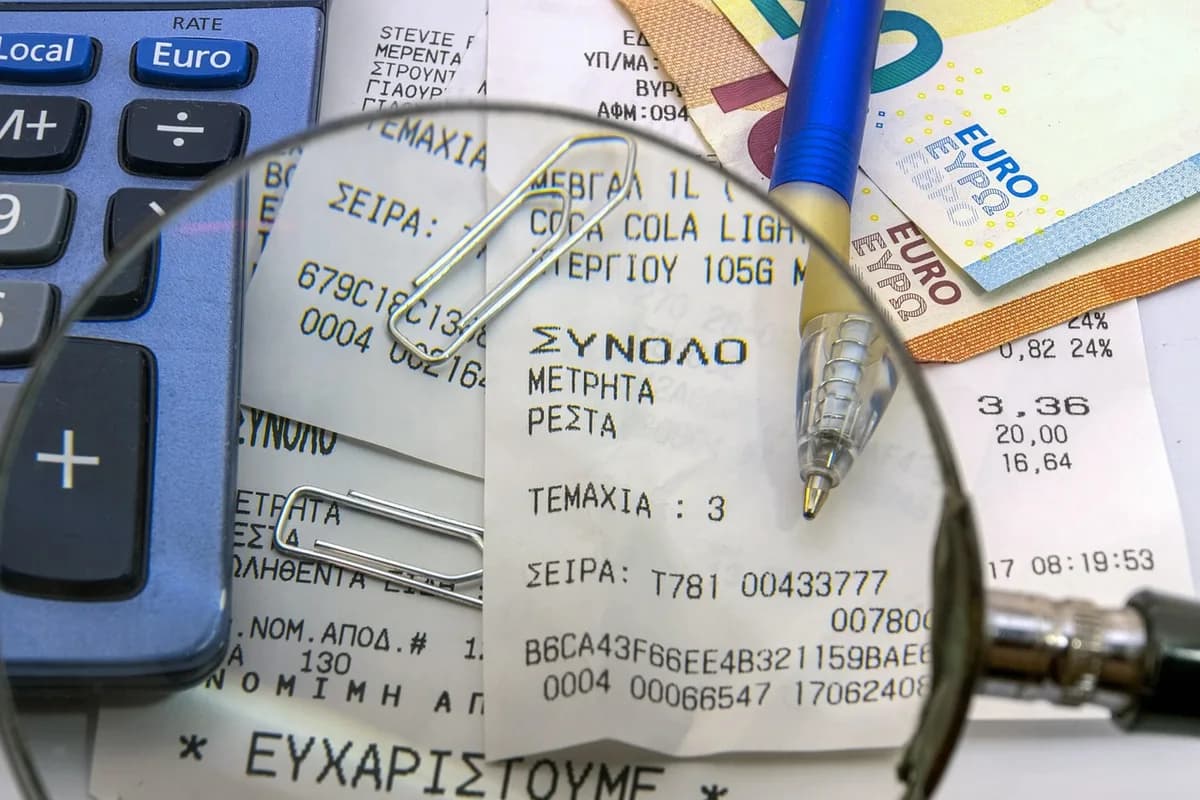
Receipts printed with heat often use BPA or BPS to turn the dye dark.
In a 2014 study, BPA levels rose after 2 hours of handling receipts.
In the same study, people wearing gloves had no significant rise.
The JAMA study authors say diet is the main source of BPA.
Keep your receipts in Evernote. Scan or forward each one, then let the AI Assistant total them by category.
Ask the store to email or text the receipt instead of printing it. An emailed receipt can go straight into your records, with no paper to handle.
In the 2014 JAMA study, urinary BPA rose after 2 hours of continuously handling receipts without gloves. Let someone else take the paper when you can, and keep the receipts you need in one envelope.
In the same study, people wearing nitrile gloves showed no significant rise in urinary BPA. Cashiers who handle receipts for hours are the group the study authors name.
For receipts you need for taxes, returns or warranties, take a photo or a scan as soon as you get them. You then keep the record without handling the paper again.
| Habit | Based on |
|---|---|
| 1Ask for an emailed receipt | No paper means no thermal coating |
| 2Handle fewer paper receipts | Urinary BPA rose after 2 hours of handling (JAMA, 2014) |
| 3Gloves for all-day handling | No significant BPA rise with nitrile gloves (JAMA, 2014) |
| 4Scan, then stop handling | A scan or an emailed copy keeps the record for taxes |
General information from NIEHS, EPA, FDA and published studies. It is not medical advice.
Most of the research measures how much BPA or BPS gets into the body, not health effects from receipts specifically.
| Topic | What was found | Source |
|---|---|---|
| Handling receipts | Urinary BPA went from 1.8 to 5.8 μg/L after 2 hours of handling receipts without gloves. With gloves, there was no significant increase. | JAMA, 2014 (24 volunteers) |
| BPS, the common substitute | BPS absorption was much lower than BPA, but 20% to 47% of the applied dose remained in the skin. | Chemosphere, 2020 (human skin samples) |
| Who handles the most | Cashiers who handle receipts for hours may be at greater risk of exposure. | JAMA, 2014 |
| Main source overall | Exposure to BPA is primarily through dietary ingestion, including canned foods. | JAMA, 2014 |
| BPA in food | The FDA review has not found information that prompts a revision of its safety assessment of BPA in food packaging. | FDA |
4.4
2,100+ reviews on G2

4.4
8,200+ reviews on Capterra

4.4
73,000+ reviews on App Store

248M
Registered users

Some thermal paper receipts contain BPA or BPS, and handling them raises the amount in the body for a while. NIEHS describes BPA as an endocrine disruptor, a chemical that may mimic or interfere with hormones, and the JAMA authors say diet is the main source. Handling fewer receipts, and wearing gloves if you handle them all day, cuts contact.
The JAMA study found that urinary BPA rose after 2 hours of continuously handling receipts without gloves, then fell over the next day. The peak was lower than the level the same authors report after canned soup. In the same study, nitrile gloves prevented a significant rise.
The receipt studies we found measured how much BPA or BPS reached the body, not testosterone. NIEHS says endocrine disruptors, a group that includes BPA, may interfere with the body’s hormones. If you are worried about your hormone levels, talk to a doctor.
No, receipts do not contain estrogen. BPA, used in many thermal receipts, is studied as an endocrine disruptor: a chemical that may mimic or interfere with the body’s hormones, including estrogen.
Some BPA-free receipts use BPS instead. A 2020 study on human skin samples found that BPS absorption was much lower than BPA absorption, but 20% to 47% of the applied BPS dose remained in the skin and could be absorbed.
Ask for an emailed or texted receipt, or no receipt when you don’t need one. Scan the paper receipts you must keep, so you don’t handle them again.
Keep the receipts you need as forwarded emails and scans in Evernote, so you handle less thermal paper and still have the record.
Forward emailed receipts to your Evernote email address, and scan paper receipts with Scan in the Create menu. The scan becomes a note you can file.
Ask the AI Assistant to make a table of the receipts in the notebook and the handling habit for each. It reads every scan and writes the table into a new note, so the paper copies can go.
Ask the AI Assistant a question like "Where is the receipt for my new printer?" It answers from your notes and links to the scan or email it used.
Capture receipts as they arrive, get totals by category in one request, and find any receipt when someone asks about it.
Start for free