
4.4
2,100+ reviews on G2

Saving money on utilities means using less energy and water for the same comfort, and paying the lowest rate your provider offers. Heating is about 30% of a typical utility bill, so start there. Four changes do the most:
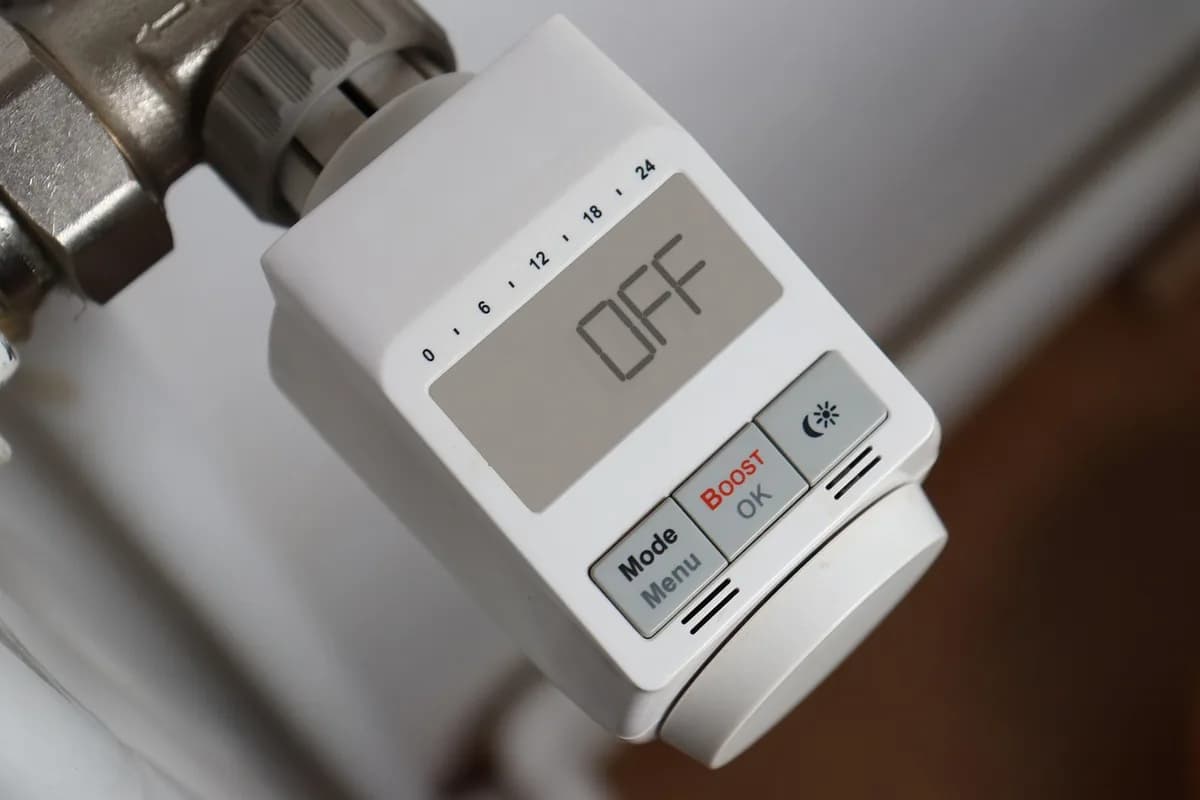
7-10°F for 8 hours a day saves up to 10%.
Drafts and leaky ducts waste heated air.
They use 75% less energy than incandescent bulbs.
Ask your provider for cheaper rates or programs.
Spot rising bills in Evernote. The AI Assistant reads your bills and shows what went up.
Collect 12 months of electric, gas and water bills and note the cost and the usage (kWh, therms, gallons) of each. Comparing the same month a year apart shows whether a change worked.
The Department of Energy (DOE) says you can save as much as 10% a year on heating and cooling by turning the thermostat back 7°F to 10°F for 8 hours a day, for example while you sleep or are at work. A programmable or smart thermostat does it for you.
The DOE says air sealing is a cost-effective way to cut heating and cooling costs, and that duct leaks waste about 20% to 30% of the air moving through a typical home's ducts. Weatherstrip doors, caulk gaps and seal duct joints.
The DOE says LEDs use 75% less energy and last 25 to 50 times longer than incandescent bulbs. Start with the lights you use most.
Water heating is about 20% of a home's energy use, the DOE says. Wash clothes in cold water, fix dripping hot taps and take shorter showers.
Ask your utility about budget billing, time-of-use plans, home energy checks, and rebates for efficient equipment, and what applies to your address.
When an appliance needs replacing, compare its yearly energy cost. The DOE notes that ENERGY STAR clothes dryers use 20% less energy than conventional models.
| Bill | Last October | This October |
|---|---|---|
| 1Baseline | ||
| 2Gas (heating and hot water) | $184 | $158 |
| 4Electric | $109 | $126.40 |
| 5Water | $58 | $51 |
| Total | $351 | $335.40 |
| What changed | ||
| Thermostat set back 8°F at night | ||
| 3Doors sealed, attic hatch sealed | ||
| 14 bulbs switched to LED | ||
| Cold-water laundry, low-flow shower | ||
An example. The electric bill still rose, because usage was 16% higher than a year earlier. Compare the same month across years, since weather changes bills.
Start with the biggest share. Heating and cooling, then water heating, are where most homes can save the most.
| Use | Share (DOE) | Best low-cost fix |
|---|---|---|
| Heating | About 30% of a typical utility bill | Thermostat setback, air sealing |
| Water heating | About 20% of home energy use | Cold-water laundry, fix drips |
| Windows | 25% to 30% of heating and cooling energy use | Weatherstripping, curtains at night |
| Duct leaks | About 20% to 30% of the air in ducts lost | Seal duct joints |
U.S. Department of Energy, Home Upgrades.
4.4
2,100+ reviews on G2

4.4
8,200+ reviews on Capterra

4.4
73,000+ reviews on App Store

248M
Registered users

Switch to LED bulbs, which use 75% less energy than incandescent ones, set your thermostat back when you sleep or are away, and ask your utility about time-of-use plans and rebates.
The DOE says turning it back 7°F to 10°F from your usual setting for 8 hours a day can save as much as 10% a year on heating and cooling.
For most homes, heating and cooling, then water heating. The DOE puts heating at about 30% of a typical utility bill and water heating at about 20% of home energy use.
A little. Devices on standby draw some power. Plugging electronics into a power strip you switch off at night is an easy way to stop it.
Ask your utility whether it offers budget billing, which spreads your yearly cost into equal monthly payments. It does not lower the total, but it removes high winter or summer bills.
Most of the same steps work for renters: thermostat setbacks, LED bulbs, cold-water laundry and draft stoppers. Ask your landlord to fix leaks and drafts.
Keep your bank statements in one note. The AI Assistant finds the charges that repeat and helps you cancel on time.
Attach three months of bank or card statements as PDFs to one note. Ask the AI Assistant to list every recurring charge with its monthly and yearly cost. It reads the PDFs and adds a table to the note.
Forward each utility bill to your Evernote email address. Ask why a bill went up, and the Assistant answers from the bill and cites the note.
Ask the Assistant for tasks for the changes you will make, such as the thermostat schedule or LED bulbs, due before the next meter reading.
Keep your statements and bills in one note, let the AI Assistant show what repeats and what went up, and act before the next bill.
Start for free