
4.4
2,100+ reviews on G2

To start a laundromat, choose a location with parking and good plumbing, then buy or lease the machines, set the payment system and register the business. The lease and the utilities decide whether the numbers work. Four things come first:
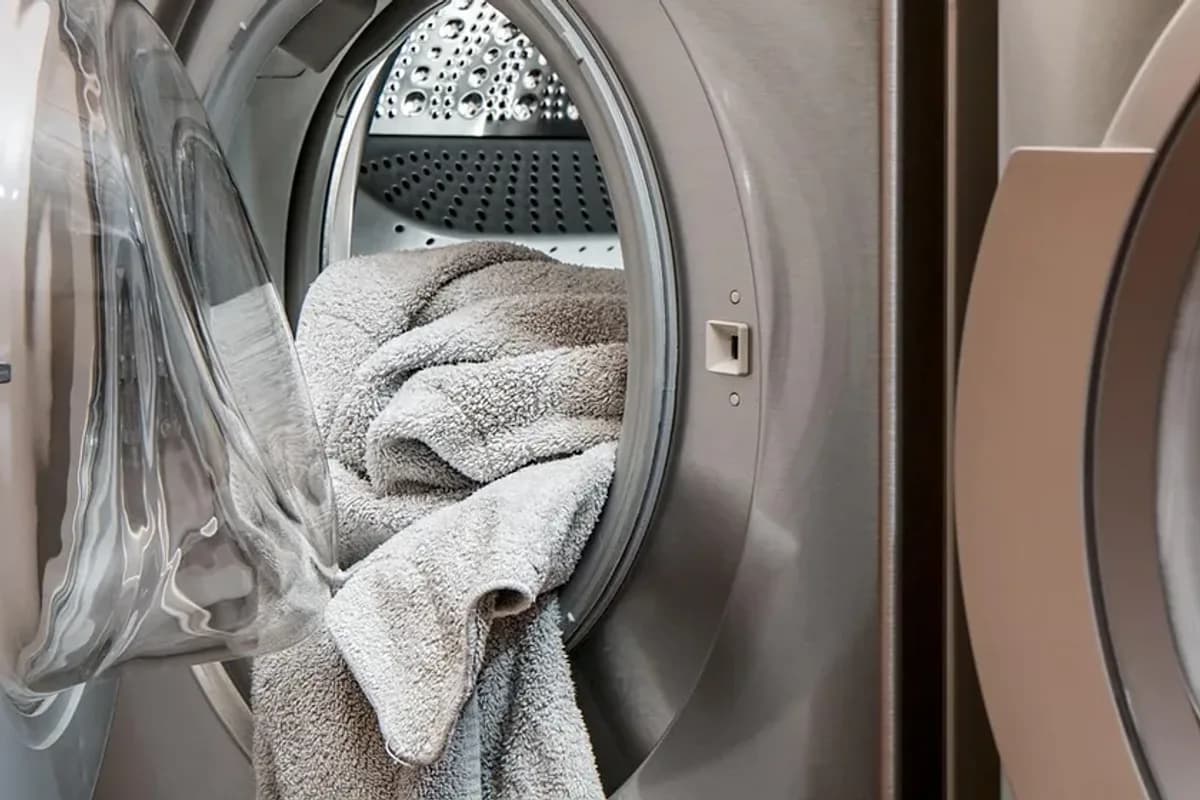
Parking, water, drains and a landlord who allows it.
Washers and dryers sized to the neighborhood.
Coins, cards or an app, with a clear price.
Money for utilities, repairs and slow weeks.
Plan your launch in Evernote. Turn your checklist into tasks. Search finds the EIN in your scanned IRS letter.
Look for parking, foot traffic and a space with strong water, drains and ventilation. Ask the landlord about the lease term and the utilities. A cheap space with bad plumbing can cost more than a better one.
Ask your city whether a laundromat is allowed at the address. Check the zoning, the sign rules and the water and sewer capacity. You may need a business license and a building permit for the build-out.
Compare top-load, front-load and large-capacity machines. A mix of sizes serves more customers. Check the water and energy use, the warranty and the local service technician.
Decide between coins, cards or an app. A card or app system lowers the cash handling but adds a fee. Set a price per load and per dry cycle that covers the utilities and the machine payment.
Choose a structure and register with your state if you form an LLC or corporation. Apply for a free EIN on IRS.gov. You need it for the bank account, the lease and the permits.
A laundromat needs general liability, property cover for the machines and business interruption cover. Ask an agent about water damage and customer injury. A client may ask for a certificate.
Plan the layout, the lighting, the seating and the change machine. Keep an aisle clear for carts. Test every machine and the payment system before the first customer.
Record the utilities, the repairs, the machine payments and the daily sales. Compare the cost per load with the price. Track uptime and fix a broken machine fast.
Amounts are an example, not a quote. Machine and build-out costs vary by location.
Buying costs more upfront and you own the machines. Leasing lowers the upfront cost but adds a monthly payment.
| Option | Upfront cost | Maintenance | Best for |
|---|---|---|---|
| Buy new | High | Warranty, then your cost | A long lease and steady volume |
| Buy used | Medium | Check the service history | A small first location |
| Lease | Low | Often included | A tight cash budget |
| Card system | Medium | Fees per transaction | Less cash handling |
Source: US Small Business Administration, "Launch your business" and "Calculate your startup costs".
Copy it, or save it to your Evernote account and add a date to each line.
Location: [address], rent $[amount], lease ends [date]
Zoning: [city] says [allowed / not allowed]
Water and sewer: [capacity], checked on [date]
Machines: [number] washers, [number] dryers, $[amount]
Payment: [coin / card / app], fee [percent]
Price: wash $[amount], dry $[amount] per [minutes]
Business: [structure], registered on [date]
EIN: [number], requested on [date]
Insurance: [liability], [property], [interruption]
Daily: sales $[amount], utilities $[amount], repairs $[amount]
4.4
2,100+ reviews on G2

4.4
8,200+ reviews on Capterra

4.4
73,000+ reviews on App Store

248M
Registered users

The machines, the build-out and the lease are the main costs. A small location can cost less with used machines, but the service history matters. Add the deposit, the utilities and a cash buffer for the first months.
Most cities require a general business license, and the build-out needs a building permit. Ask your city about zoning, signs and water and sewer capacity. The rules vary by location.
Buying costs more upfront and you own the machines. Leasing lowers the upfront cost but adds a monthly payment. A used machine can save money if a technician checks the service history.
Add the water, the gas or electricity, the machine payment and the repair reserve for one load. Set a price that covers those costs and leaves a margin. Check what nearby laundromats charge.
No. A sole proprietorship is possible, but a laundromat carries risk from water damage, injuries and equipment. Many owners form an LLC or corporation and buy insurance. Ask a lawyer and an accountant.
The example on this page uses 18 washers and 16 dryers. The right number depends on the neighborhood and the space. A mix of sizes serves more customers. Check the local demand before you buy.
Track the utilities, the repairs and the sales every day. Fix a broken machine fast. Keep the room clean, safe and well lit.
Keep the lease, machine quotes, permits, insurance and daily numbers in one laundromat notebook.
Write the lease, zoning, machine and insurance steps in a note. Ask the AI Assistant to turn them into tasks with due dates, so the build-out stays on schedule.
Scan the lease and machine invoice with Scan in the Evernote app. Search for the rent or the machine count and Evernote finds it in the text of the scan.
Clip the city license and supplier pages with the Web Clipper. Ask the Assistant to add a checklist of the terms and dates each page lists.
Turn your checklist into tasks with due dates, find any number inside a scanned letter, and keep the official pages you read next to your plan.
Start for free