
4.4
2,100+ reviews on G2

To check your engine oil, park on level ground with the engine off, pull out the dipstick, wipe it, push it all the way back in and pull it out again: the oil should sit between the two marks near the tip. It takes about five minutes. Four things to know:
On a slope, or right after a drive, the reading is wrong.
The first pull only wipes the dipstick clean.
Below the low mark, add oil. Above the top mark is overfilled.
And always before a long road trip.
Keep your car records in Evernote. Ask the manual, log every job, and get reminded.
On a slope the oil pools to one side of the pan, and right after a drive some of it is still in the engine. Checking cold, before you start the car, usually gives the most consistent reading. Your owner's manual gives the method and wait time for your engine.
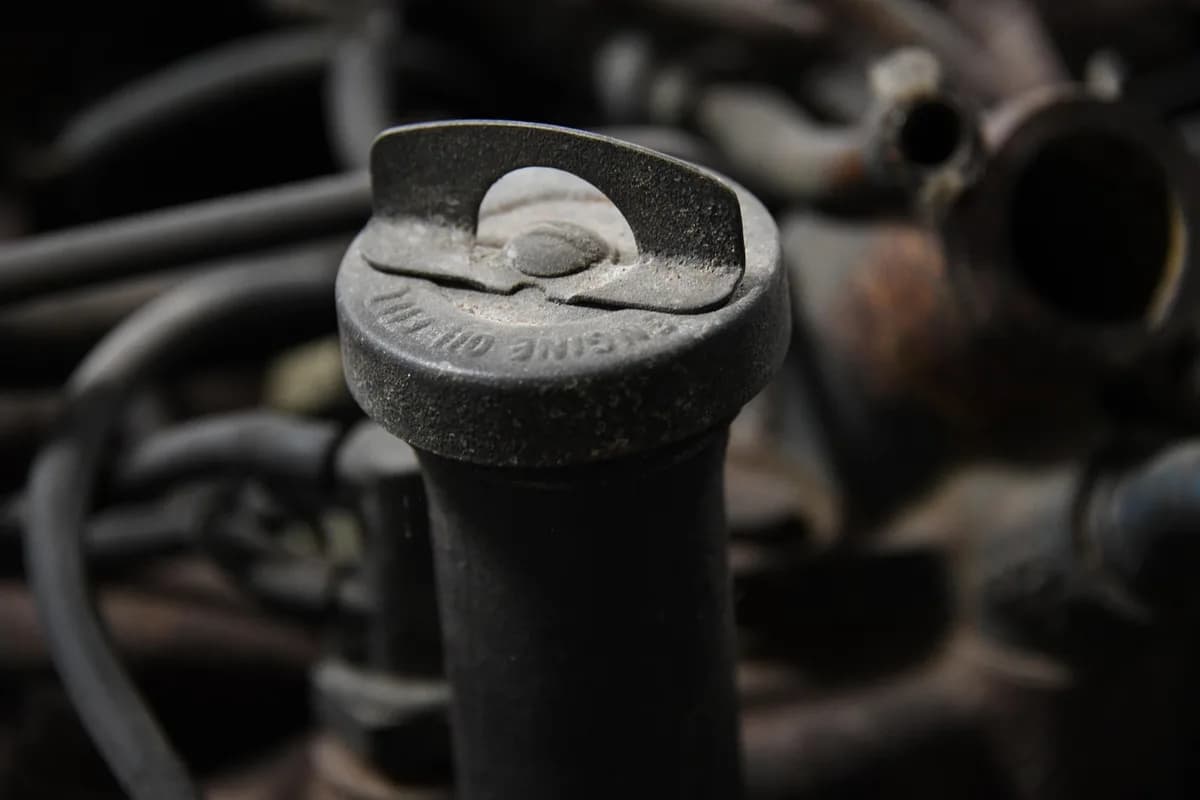
Open the hood and look for a brightly colored handle, usually yellow or orange, sticking up from the engine. The engine diagram in your owner's manual shows where it is.
Pull the dipstick all the way out and wipe it with a rag or paper towel. Push it back in as far as it goes, then pull it out again. This second pull is the one you read.
Most dipsticks have two marks or a cross-hatched band near the tip. Oil inside that range is fine. Clean oil is amber, like honey. Very dark, gritty or burnt-smelling oil can mean an oil change is due.
If the level is low, add the oil grade from your owner's manual through a funnel, a little at a time, and check the dipstick after each pour. Too much oil can be as harmful as too little.
| Check | Result |
|---|---|
| 1Where and when | Driveway, level, before the first drive |
| 2Dipstick | Yellow handle, front of the engine |
| 3Second pull | Clean wipe, pushed all the way in |
| 4Level and color | Just above the low mark, amber |
| 5Topped off | Half a quart of 0W-20, now mid-range |
Example on November 1, 2026 at 48,050 miles. A level that drops every month is worth a mechanic's look.
The marks near the tip show the safe range. Read the level and look at the oil itself.
| What you see | What it means | What to do |
|---|---|---|
| Between the two marks | The level is fine. | Nothing. Check again next month. |
| Below the low mark | The engine is low on oil. | Add oil a little at a time and recheck. |
| Above the top mark | The engine may be overfilled. | Do not add more, and ask a mechanic. Overfilling can harm the engine. |
| Amber, like honey | Clean oil. | Nothing. |
| Very dark, gritty or burnt-smelling | Not a level problem, but can be a sign the oil is old. | Check when the last oil change was. |
Source: Toyota, "How to Check Your Oil Level in Five Minutes".
Copy it, or save it to your Evernote account and add a line after every job.
Car: [year, make, model] · Plate: [number] · Tire pressure: [psi from the door sticker]
Oil: [grade from the owner's manual] · Change every [miles] or [months]
Engine air filter: last changed [date] at [miles] · next at [miles]
Cabin air filter: last changed [date] at [miles] · next at [miles]
Battery: installed [month, year] · Wipers: replaced [month, year]
Log: [date] · [miles] · [what was done] · [shop or DIY] · [cost]
Next check: [date] · [what to check]
4.4
2,100+ reviews on G2

4.4
8,200+ reviews on Capterra

4.4
73,000+ reviews on App Store

248M
Registered users

About once a month, and always before a long road trip. A regular check helps you catch a slow leak or an engine that burns oil before it becomes a bigger problem.
Opinions differ, even among mechanics. Checking cold, before you start the engine, tends to give the most consistent reading. Your owner's manual gives the method for your engine.
The type, grade and weight listed in your owner's manual, such as 0W-20. The wrong grade can affect engine protection and fuel economy even when the level looks right.
Some newer cars use an electronic oil level sensor instead. You read the level on the dashboard or screen, often after the engine reaches operating temperature. Your owner's manual explains the steps.
Clean oil is amber, like honey. Oil that is very dark, gritty or smells burnt can be a sign that an oil change is due.
Yes. An overfilled engine can be harmed just as one that runs low. That is why you add oil a little at a time and check the dipstick after each pour.
Often every 6 to 12 months, or around 5,000 to 10,000 miles, but follow the interval in your owner's manual.
Keep the owner's manual, receipts and a service log in a Car notebook. The AI Assistant finds what the manual says about oil checks and keeps the log current.
Save the owner's manual PDF in the notebook. Ask the AI Assistant "What oil grade does my engine take?" It reads the PDF and tells you the answer and the page.
Take a photo of the receipt into a note. Ask the Assistant to add it to your service log, and it fills in the date, mileage, work and cost.
Ask for a repeating task, like checking the oil on the 1st of every month. It comes back on schedule with a reminder.
Keep the owner's manual, your receipts and a service log in one notebook, and let the AI Assistant remind you of the next check.
Start for free