
4.4
2,100+ reviews on G2

Growing tomatoes means planting them in full sun once frost has passed and the soil is warm, burying part of the stem, supporting each plant with a stake or cage, and watering deeply, about 1 inch a week. Most varieties are vining and keep ripening fruit until cold weather. Four things matter most:
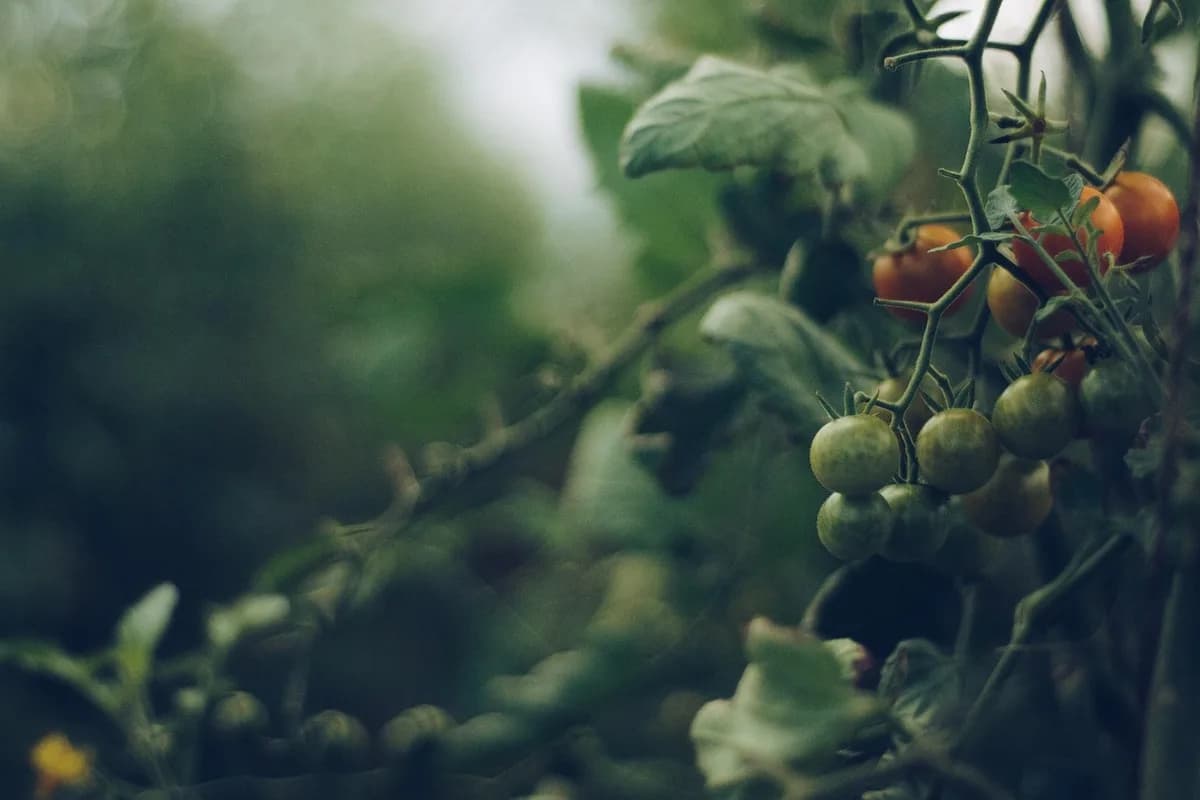
Tomatoes need a long frost-free season and full sun to fruit.
Roots grow from the buried stem, which makes a stronger plant.
Put in stakes or cages the day you plant, before roots spread.
Deep, steady watering helps prevent blossom-end rot.
Keep a garden journal in Evernote. Log what you see, get a reminder, and ask what worked last season.
Buy sturdy transplants up to a foot tall, or start seeds indoors 5 to 6 weeks before planting out, ¼ inch deep, at 75°F to 85°F until they sprout.
Transplant after all danger of frost has passed and the soil has warmed. Plant in late afternoon or on a cool, cloudy, calm day, in a spot with full sun.
Water the plants first. Remove the lowest leaves and lay each plant in a trench 3 to 4 inches deep, burying the stem up to the remaining leaves. Allow 2 to 3 feet in all directions between vining plants.
Install stakes, cages, spirals or trellises at planting time, so you do not damage the roots later. Tie the stems loosely as they grow.
Mulch with 3 to 4 inches of weed-free straw or herbicide-free grass clippings. Give about 1 inch of water a week, soaking the soil rather than wetting the leaves.
Use a low- or no-phosphorus fertilizer unless a soil test says otherwise, and side-dress when the first fruits start to enlarge. Too much nitrogen makes leafy plants slow to fruit.
Harvest when the fruit reaches a usable size and color. Before the first fall frost, pick everything: fruit that is turning white or pink at the bottom will ripen indoors at room temperature.
| Date | What I saw | What I did |
|---|---|---|
| 2May 10 | Last frost passed, soil warm | Transplanted 4 plants on a cloudy evening |
| 3May 10 | Plants 10 inches tall | Trenched, stems buried to the top leaves |
| 4May 10 | Windy spot | Cages in at planting, stems tied loosely |
| 5May 24 | New leaves on all 4 | 3 inches of straw, 1 inch of water |
| Jun 14 | First flowers on both Sungolds | Watered 1 inch |
| 6Jun 28 | First fruits growing | Low-phosphorus fertilizer, side-dressed |
| 7Jul 9 | Look for ripe fruit (Early Girl, ~60 days) | Pick at full color |
Days to maturity: Early Girl 59, Celebrity 70 (Burpee).
The plant type on the seed packet or tag changes how you space, support and harvest.
| Bush (determinate) | Vining (indeterminate) | |
|---|---|---|
| Growth | Stops growing at a set size | Keeps growing and flowering until cold weather |
| Harvest | Most fruit ripens within 4 to 6 weeks | Ripe fruit all season, until frost |
| Spacing | Can be planted closer together | 2 to 3 feet in all directions |
| Good for | Canning, small spaces | A steady supply for salads |
| Examples | Bush Early Girl, Celebrity, Roma | Early Girl, Better Boy, Big Beef |
Sources: University of Minnesota Extension, "Growing tomatoes in home gardens"; Burpee, tomato variety chart (plant type and days).
One note per plant or bed. Copy it, or save it to your Evernote account and add a line every time you are in the garden.
Plant: Tomato · Variety: [name]
Planted: [date] · Spot: [bed, pot or row]
Sun: [hours a day] · Water: [how much, how often]
Expect: [first flowers, harvest or bloom date]
Log:
[date]: [what you saw], [what you did]
[date]: [what you saw], [what you did]
Next year: [what to change]
4.4
2,100+ reviews on G2

4.4
8,200+ reviews on Capterra

4.4
73,000+ reviews on App Store

248M
Registered users

Outdoors after all danger of frost has passed and the soil has warmed. Start seeds indoors 5 to 6 weeks before that date.
About 1 inch of rain or irrigation a week, according to University of Minnesota Extension. Soak the soil deeply and keep moisture steady: swings in moisture during fruit growth cause blossom-end rot.
Deeper than they grew in the pot. Remove the lowest leaves and lay the plant in a trench 3 to 4 inches deep, burying the stem up to the remaining leaves, so new roots grow along it.
Allow 2 to 3 feet in all directions between vining plants. Bush types can go closer together.
It depends on the variety. Days to maturity on the tag: Early Girl is listed at 59 days and Celebrity at 70.
Yes. Tomatoes are heat-loving plants that need full sun and a long frost-free season.
When the first fruits start to enlarge, side-dress along the row. Use a low- or no-phosphorus fertilizer unless your soil test says otherwise, and avoid too much nitrogen.
Yes, if they are full size and starting to turn white or pink. Store them at room temperature in one layer without touching. Truly green fruit rarely ripens to good flavor.
Keep a garden journal in a Garden notebook, with one note per plant or bed and a dated log in a table.
Tell the AI Assistant what happened in a few words, such as "first flowers on both Sungolds, watered 1 inch". It adds a dated row to the log table in your note.
Ask for a reminder counted from a date in your log, such as "Remind me to look for ripe fruit 60 days after I transplanted". The Assistant reads the date and sets the reminder on the note.
Next year, ask "Which tomato did best last year?" The AI Assistant reads all your garden notes and answers from them.
Log what you see in a few words, get a reminder at the right time, and ask your journal what worked last season.
Start for free