
4.4
2,100+ reviews on G2

Preparing for a flood means knowing your flood risk, getting flood insurance well before you need it, making an evacuation plan and protecting your documents and home. Floods are the most common disaster in the US, and four steps cover the basics:
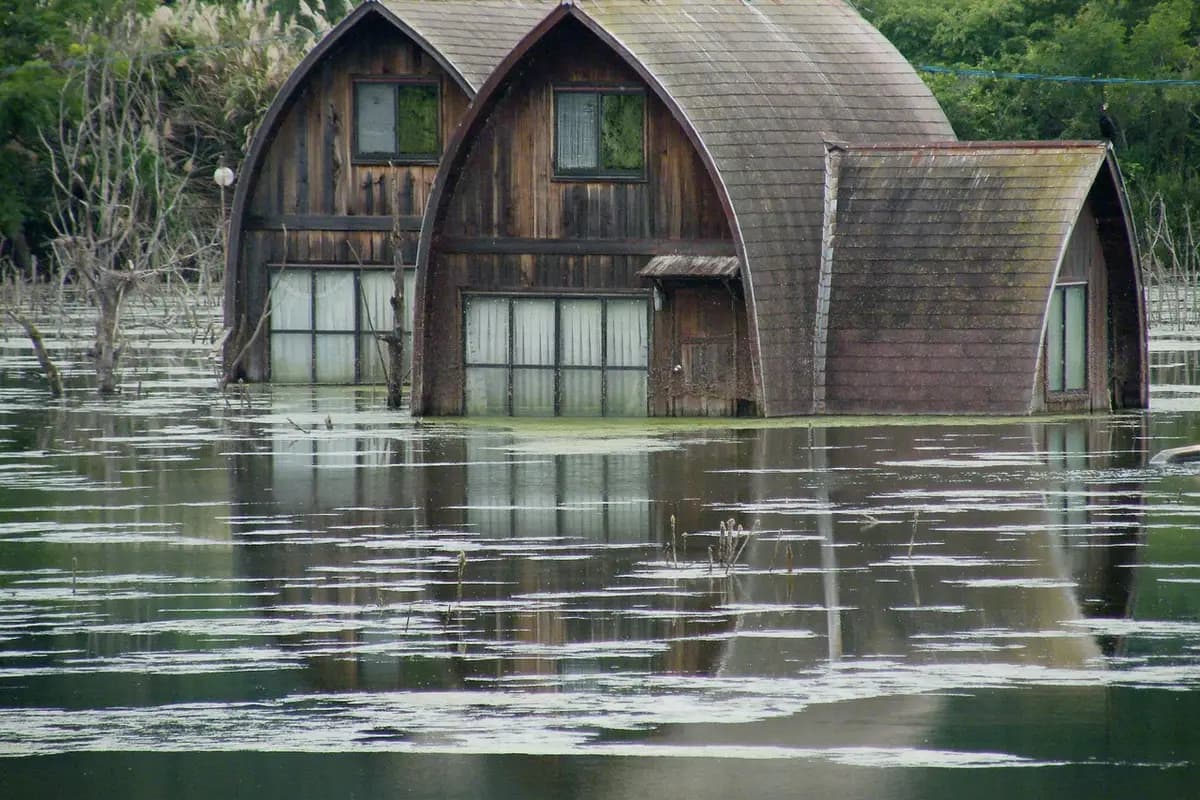
Check FEMA's Flood Map Service Center.
Flood policies can take up to 30 days to start.
Routes, shelter and pets.
Turn around, don't drown.
Get ready in Evernote. Ask the AI Assistant for a Ready.gov kit list, then find a number in a scan.
Look up your address on FEMA's Flood Map Service Center. Flooding does not follow lines on a map: where it rains, it can flood.
Homeowner's insurance does not cover flooding. A National Flood Insurance Program (NFIP) policy typically takes up to 30 days to go into effect, so buy it well before a storm.
Join your community's warning system. The Emergency Alert System and NOAA Weather Radio also carry alerts.
Learn evacuation routes, shelter plans and what to do in a flash flood, for everyone in the household, pets included.
Non-perishable food, cleaning supplies and water for several days. Keep documents in a waterproof container and make password-protected digital copies.
Move valuables to higher levels, clear drains and gutters, install check valves, and consider a sump pump with a battery.
Just six inches of moving water can knock you down, and one foot of moving water can sweep your vehicle away.
From the National Weather Service. A warning means act now.
| Alert | What it means | What to do |
|---|---|---|
| Flood Watch | Conditions are favorable for flooding; it may not happen | Be prepared |
| Flood Advisory | Flooding may cause inconvenience, but not bad enough for a warning | Be aware; it can still be dangerous |
| Flood Warning | Flooding is imminent or occurring | Take action: move to higher ground |
| Flash Flood Warning | A flash flood is imminent or occurring | Move to high ground immediately |
National Weather Service, "Flood Warning vs. Watch"; Ready.gov, "Floods".
4.4
2,100+ reviews on G2

4.4
8,200+ reviews on Capterra

4.4
73,000+ reviews on App Store

248M
Registered users

No. You need a separate flood policy, for example through FEMA's National Flood Insurance Program. It typically takes up to 30 days to go into effect.
A watch means conditions are favorable for flooding. A warning means flooding is imminent or already happening: take action.
Find safe shelter right away. Evacuate if told to, or move to higher ground or a higher floor. Stay off bridges over fast-moving water.
No. Turn around, don't drown: one foot of moving water can sweep a vehicle away. Never drive around barricades.
Stay inside if it is trapped in fast-moving water. If water rises inside the car, get on the roof.
Go to the highest level. Do not climb into a closed attic, where rising water could trap you. Go on the roof only if necessary, and signal for help.
Keep your flood plan, flood kit and insurance documents in one notebook, on your phone and computer.
Ask the AI Assistant to search Ready.gov and make a flood kit checklist for your household. It adds the list to a note, with the source.
Scan the NFIP flood policy and IDs into the notebook. Ask for the policy number, and the Assistant finds it in the scan.
Ask the Assistant for a task that repeats every year, to replace expired food and check the flood kit before the rainy season. You get a reminder each time.
Build your kit checklist, keep copies of your documents searchable, and get a reminder to check the kit every year.
Start for free