
4.4
2,100+ reviews on G2

Preparing for a tornado means picking and practicing a safe shelter, getting alerts you will hear, and stocking supplies, because a tornado can happen anytime and anywhere, with winds over 200 mph. Four things matter most:
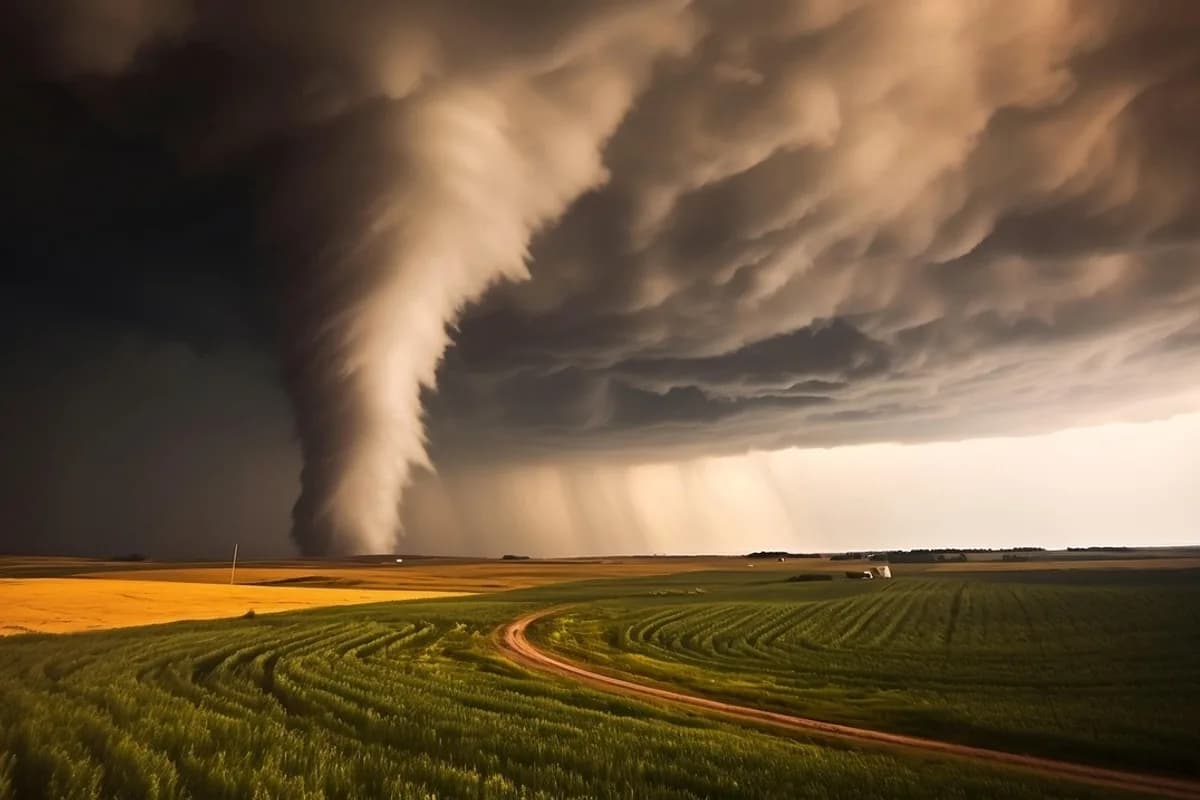
Safe room, or a small interior room, lowest floor.
Community alerts, EAS, NOAA Weather Radio.
Everyone practices going to the shelter.
For sheltering in place, pets included.
Get ready in Evernote. Ask the AI Assistant for a Ready.gov kit list, then find a number in a scan.
In the US, the Midwest and the Southeast have a greater risk for tornadoes, but they can happen anywhere.
A safe room built to FEMA criteria or a storm shelter built to ICC 500 standards is best. Next best: a small, interior, windowless room or basement on the lowest level of a sturdy building.
Sign up for your community's warning system and learn your siren's tone. The Emergency Alert System and NOAA Weather Radio also carry alerts.
A rotating, funnel-shaped cloud, an approaching cloud of debris, or a loud roar like a freight train.
Walk the household, and pets, to the shelter so everyone can do it without thinking.
Water, non-perishable food, medical supplies and medicines, cleaning supplies, and pet supplies. Keep copies of insurance policies and IDs with the supplies.
During a tornado, protect your head and neck with your arms, and put furniture or blankets around or on top of you.
Two alerts from the National Weather Service, and what each asks you to do.
| Alert | Who issues it | What it means | What to do |
|---|---|---|---|
| Tornado Watch | Storm Prediction Center | Conditions are favorable for tornadoes; usually 4 to 8 hours | Review your plan, keep alerts on |
| Tornado Warning | Local NWS office | A tornado is indicated by radar or sighted; usually about 30 minutes | Go to your shelter immediately |
National Weather Service Binghamton, "Severe Weather Definitions"; Ready.gov, "Tornadoes".
4.4
2,100+ reviews on G2

4.4
8,200+ reviews on Capterra

4.4
73,000+ reviews on App Store

248M
Registered users

A safe room or storm shelter if you have one. Otherwise, a small, interior, windowless room or basement on the lowest level, away from windows, doors and outside walls.
A watch means conditions are favorable for tornadoes. A warning means a tornado has been seen or shown on radar: take shelter now.
There is no safe option, only less dangerous ones. If it is far away and traffic is light, drive at right angles away from it. If caught, park out of traffic, stay buckled, and get your head below the windows, or lie in a spot lower than the road.
No. Ready.gov warns that bridges create deadly traffic hazards and offer little protection from flying debris.
A rotating, funnel-shaped cloud, an approaching cloud of debris, or a loud roar like a freight train.
Stay clear of fallen power lines, wear thick-soled shoes, long pants and work gloves for clean-up, and use text messages instead of calls.
Keep your tornado plan, shelter kit list and insurance documents in one notebook, on your phone and computer.
Ask the AI Assistant to search Ready.gov and make a tornado shelter checklist for your household. It adds the list to a note, with the source.
Scan the home insurance policy and IDs into the notebook. Ask for the policy number, and the Assistant finds it in the scan.
Ask the Assistant for a task that repeats every year, to replace expired supplies and practice the drill. You get a reminder each time.
Build your kit checklist, keep copies of your documents searchable, and get a reminder to check the kit every year.
Start for free