
4.4
2,100+ reviews on G2

Tracking calories means writing down the energy in everything you eat and drink, using food labels or a food database, so you can see your habits and adjust them. Four things make it work:
Log what you usually eat before you try to change anything.
Check whether calories are per 100 g, per portion or per serving.
The label portion might be smaller than what you serve.
Juice, soda, alcohol and cooking oil all add up.
Track it in Evernote. Log calories by chat, set a weekly weigh-in, and get a week summary.
Write down everything you eat and drink for a normal day, with amounts. The NHS suggests this first, so you can see where calories come from before you cut anything.
Check the portion size on the label, then the calories for that portion. If you eat two portions, double the calories. The NHS notes that the manufacturer portion may differ from yours.
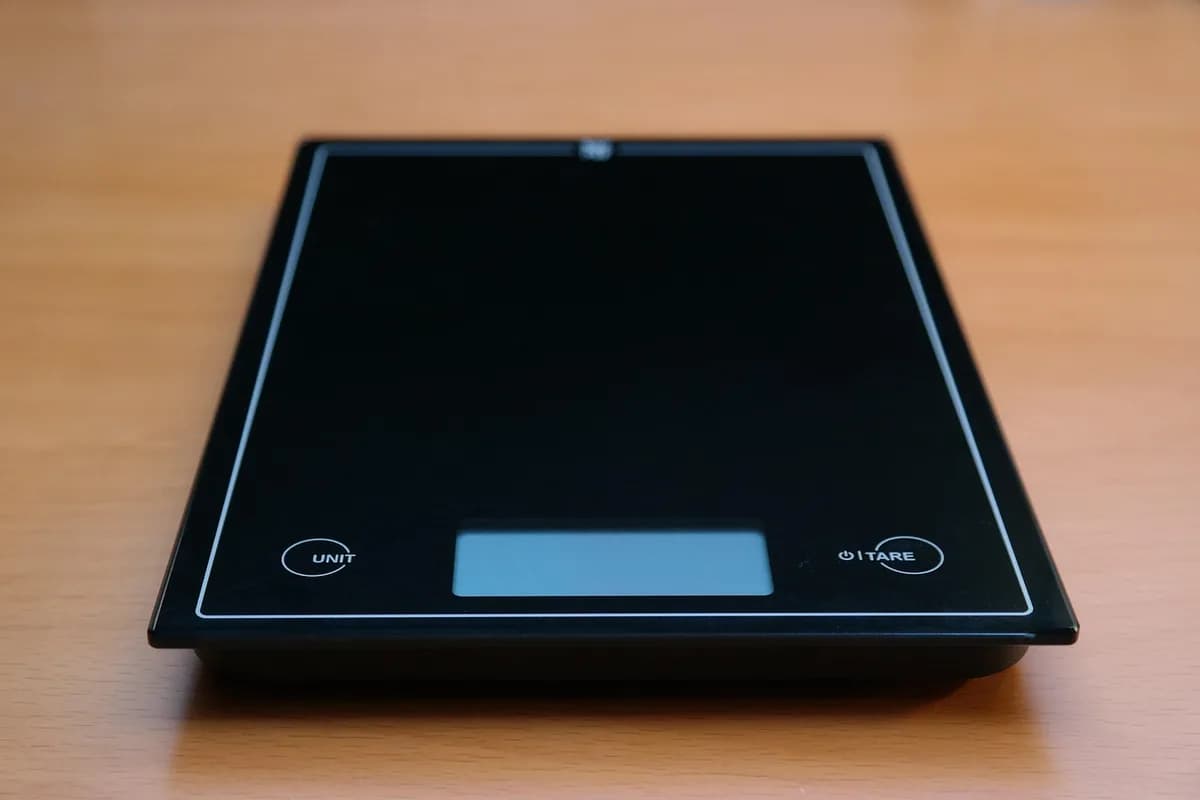
Weigh food before cooking. The NHS example: a 75 g portion of rice is 260 calories, but a 150 g portion is 520. The NHS says weighing portions is not something you have to do forever; it helps you see whether your usual serving matches the label.
For fresh food, use a database like USDA FoodData Central, or an app, and log the amount you ate.
The NHS reminds people to count alcohol, fizzy drinks and juices, and the oil and spreads used in cooking. These are the easiest to forget.
Add up the day and compare it with a guide: the NHS uses about 2,000 calories a day for an average woman and 2,500 for a man. Your needs depend on age, size and activity.
| Day | Meals | Calories | Activity |
|---|---|---|---|
| 1Mon | Oatmeal, turkey sandwich, chicken and rice | 1,850 | Walk, 30 min |
| 2Tue | Yogurt and granola, lentil soup, salmon and potatoes | 1,780 | Walk, 30 min |
| 3Wed | Eggs on toast, tuna wrap, beef stir-fry | 1,920 | Strength, 25 min |
| 5Thu | Oatmeal, chicken wrap, shrimp pasta | 1,760 | Walk, 40 min |
| Fri | Eggs and toast, leftover pasta, turkey chili | 1,810 | Walk, 30 min |
| Sat | Pancakes, grilled chicken salad, vegetable soup | 1,890 | Bike, 45 min |
| 6Total | Average | 1,835 | 6 active days |
Rice label example from the NHS calorie counting guide. A weekly average tells you more than one day.
All of these work if you keep them up. Pick the one you will still use in a month.
| Method | Good for | Watch out for |
|---|---|---|
| Food labels | Packaged foods, at a glance | Calories are per 100 g or per portion. |
| Food database (USDA FoodData Central) | Fresh food without a label | Pick the entry that matches how the food was cooked. |
| App | Quick logging and daily totals | Check the serving the app assumes. |
| Food diary in a note | Seeing patterns: when and why you eat | Write it as you go, not at night. |
Sources: NHS, "Calorie counting"; USDA FoodData Central.
Copy it, or save it to your Evernote account and fill in one line per meal.
Date: [date]
Breakfast: [food] · [amount] · [calories]
Lunch: [food] · [amount] · [calories]
Dinner: [food] · [amount] · [calories]
Snacks and drinks: [food] · [amount] · [calories]
Oil, spreads, sauces: [amount] · [calories]
Total: [calories] · How I felt: [hungry, full, tired]
4.4
2,100+ reviews on G2

4.4
8,200+ reviews on Capterra

4.4
73,000+ reviews on App Store

248M
Registered users

Use food labels for packaged food and a database or app for fresh food, and log as you eat rather than at the end of the day. The NHS also suggests its free Weight Loss Plan app.
Start with the portion size on the label. Check whether the calories are per 100 g, per portion or per serving, then multiply by the portions you eat. The NHS notes that the manufacturer portion may be different from yours.
It depends on your age, size and activity. The NHS gives about 2,000 calories for an average woman and 2,500 for an average man as a guide.
The more energy an activity takes, the more calories it uses: the NHS notes that fast walking uses more than walking at a moderate pace. Apps and activity trackers give estimates, so log the activity and treat the number as a guide.
The NHS suggests weighing portions before cooking when you start, to see whether your usual serving matches the label. It says this is not something you have to do forever.
Both measure energy. Food labels often show calories as kcal (kilocalories) and sometimes as kJ (kilojoules), as the NHS explains.
Keep a calorie log in Evernote. The AI Assistant fills in a day's meals and calories from one message, sets a weekly weigh-in, and sums up the week.
Keep a table with the day, meals, calories and activity. Tell the Assistant the meals and calorie totals, and it fills in the row.
Set a weekly calorie check. Ask the Assistant for a repeating Monday weigh-in task at 7 AM, with a reminder.
Ask the Assistant to sum up the log: days logged, average calories, active days and the Monday weigh-in task.
Tell the AI Assistant what you ate, get a weekly weigh-in reminder, and ask how the week went.
Start for free