
4.4
2,100+ reviews on G2

Changing a car air filter means taking out the old filter and putting in a new one made for your vehicle. A car has two: the engine air filter in a box under the hood, and the cabin air filter, which on many cars sits behind the glove box. Four things to know:
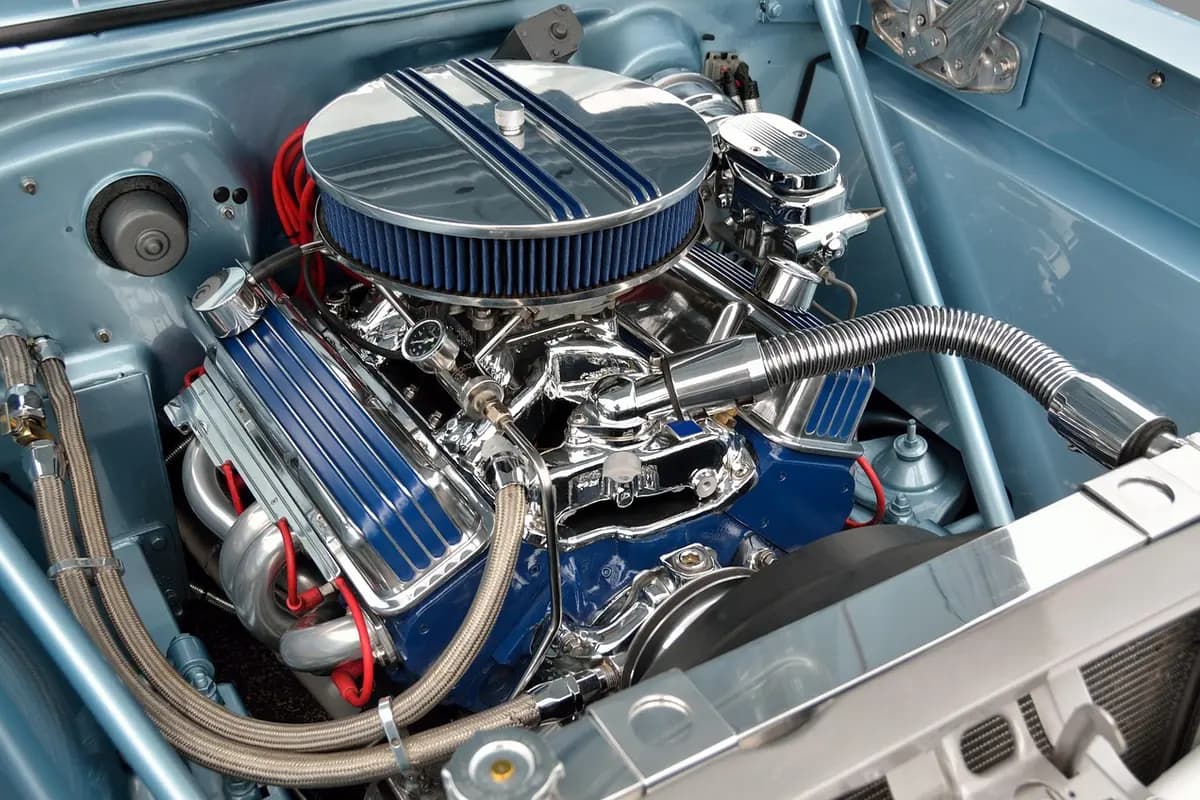
One cleans the air for the engine, the other the air from the vents.
Filters are made for each vehicle. Match yours to the make, model and year.
Put the new filter in the way the old one sat, airflow arrow included.
Follow your owner's manual. Change both sooner if you drive on dusty roads.
Keep your car records in Evernote. Ask the manual, log every job, and get reminded.
Look up the engine and cabin filters for your car's make, model and year, in the owner's manual or a parts fitment guide. Check your owner's manual for the tools and steps for your car.
Park on level ground, turn off the engine and let it cool. Open the hood and find the air filter housing, a black plastic box connected to the engine intake, as your owner's manual shows. Release its clips, fasteners or screws and lift the cover.
Lift out the old filter. Wipe any leaves, dirt or insects out of the box with a cloth, without letting them fall into the intake. Set the new filter in the same way the old one sat, with every edge seated.
Put the cover back and fasten every clip or screw. A loose cover lets unfiltered air get around the filter. If the cover will not close evenly, the filter is not seated: take it out and try again.
For the cabin filter, empty the glove box. On many cars you remove a small pin or screws on its side, then press in both sides to let it drop down. Do not force it: it only has a little slack.
Behind the glove box is a black cover. Squeeze the tabs on its sides, take it off and slide the old filter out slowly. Note which way the airflow arrow on its side points.
Vacuum the slot or wipe it with a damp cloth. Slide in the new filter with its arrow pointing the same way as the old one, then snap the cover back on.
Lift the glove box into place, refit the pin or screws and put your things back. Note the date and the mileage, so you know when the next change is due.
| Engine air filter | Cabin air filter | |
|---|---|---|
| 2Where | Black plastic box under the hood, on the engine intake. | Behind the glove box, on many cars. |
| Cleans | Air going into the engine. | Air coming out of the vents. |
| 5Access | Release the clips or screws on the cover. | Lower the glove box, then squeeze the cover tabs. |
| 3Before | Wipe debris out of the box. | Vacuum or wipe the slot. |
| 7Direction | Same way as the old filter. | Airflow arrow the same way as the old one. |
| 4Seal | Fasten every clip so no air gets around it. | Snap the cover back on. |
| 1When | Owner's manual interval. Sooner on dusty or gravel roads. | Often every 12,000 to 15,000 miles, or at least once a year. |
Locations vary by car. Your owner's manual shows where both filters are and how often to change them.
These are the ways it still goes wrong.
| Mistake | What happens | What to do instead |
|---|---|---|
| Filter in the wrong way | It may not seal, so air gets around it. | Copy the way the old filter sat. On a cabin filter, follow the arrow. |
| Cover not fastened | Unfiltered air goes around the filter. You may hear whistling. | Check every clip, fastener or screw before you close the hood. |
| Debris left in the box | Leaves and dirt sit next to the new filter, or fall into the intake. | Wipe the box out with a cloth before you put the new filter in. |
| Wrong filter | It does not fit the housing, or the car feels sluggish after. | Check the part against your make, model and year before you start. |
| Forcing the glove box | It only has a little slack, and forcing it can damage it. | Remove the pin or screws first, then press in the sides gently. |
Sources: Mopar, "How to Change Your Engine Air Filter", and Toyota, "How to Change a Cabin Air Filter".
Copy it, or save it to your Evernote account and add a line after every job.
Car: [year, make, model] · Plate: [number] · Tire pressure: [psi from the door sticker]
Oil: [grade from the owner's manual] · Change every [miles] or [months]
Engine air filter: last changed [date] at [miles] · next at [miles]
Cabin air filter: last changed [date] at [miles] · next at [miles]
Battery: installed [month, year] · Wipers: replaced [month, year]
Log: [date] · [miles] · [what was done] · [shop or DIY] · [cost]
Next check: [date] · [what to check]
4.4
2,100+ reviews on G2

4.4
8,200+ reviews on Capterra

4.4
73,000+ reviews on App Store

248M
Registered users

Follow the interval in your owner's manual, because it varies by vehicle. Change it sooner if you often drive off road or in dusty, high-pollution areas.
Toyota recommends checking and replacing it every 12,000 to 15,000 miles, or at least once a year, ideally before allergy season. Heavy traffic, pollution and unpaved roads may mean changing it more often.
No. The engine air filter cleans the air going into the engine. The cabin air filter cleans the air that comes into the car through the heating and air conditioning.
Not on modern cars. FuelEconomy.gov says replacing a clogged air filter on a fuel-injected gasoline or diesel engine, which covers cars built since the early 1980s, does not improve fuel economy, though it can improve acceleration. On older carbureted engines it can help both by a few percent.
Yes. Check your owner's manual first; it shows the tools and steps for your car, and let the engine cool before you open the air filter box.
On many cars it sits behind the glove box, under a black cover with tabs. Some cars put it elsewhere, so check your owner's manual if you do not find it there.
With the airflow arrow on its side pointing the same way as the old one. Note the direction before you pull the old filter out.
Dirt builds up in the filter, so less air gets through and the filter stops cleaning it well. A clogged engine filter can make acceleration slower, and a clogged cabin filter means weaker airflow from the vents.
Keep the owner's manual, receipts and a service log in a Car notebook. The AI Assistant finds what the manual says about air filter changes and keeps the log current.
Save the owner's manual PDF in the notebook. Ask the AI Assistant "How often should I change the cabin air filter?" It reads the PDF and tells you the answer and the page.
Take a photo of the receipt into a note. Ask the Assistant to add it to your service log, and it fills in the date, mileage, work and cost.
Ask for a repeating task, like checking the oil and tire pressure on the 1st of every month. It comes back on schedule with a reminder.
Keep the owner's manual, your receipts and a service log in one notebook, and let the AI Assistant remind you of the next check.
Start for free