Cómo Archivar Cuadernos

Sobre nosotros
Español
Cómo Archivar Cuadernos
Técnicas Eficientes para Archivar Cuadernos
Millones de personas en todo el mundo confían en nosotros
4.4
2,100+ reseñas en G2
4.4
8,200+ reseñas en Capterra
4.4
73,000+ reseñas en App Store
248 M
Usuarios registrados
5.000 M
Notas creadas
2 M
Notas creadas diariamente
Acceso ilimitado a todas nuestras herramientas









Preguntas Frecuentes
Archivar cuadernos ayuda a preservar información importante y a organizar tu contenido para futuras consultas. Permite recuperar fácilmente ideas pasadas y ayuda a despejar espacios físicos y digitales.
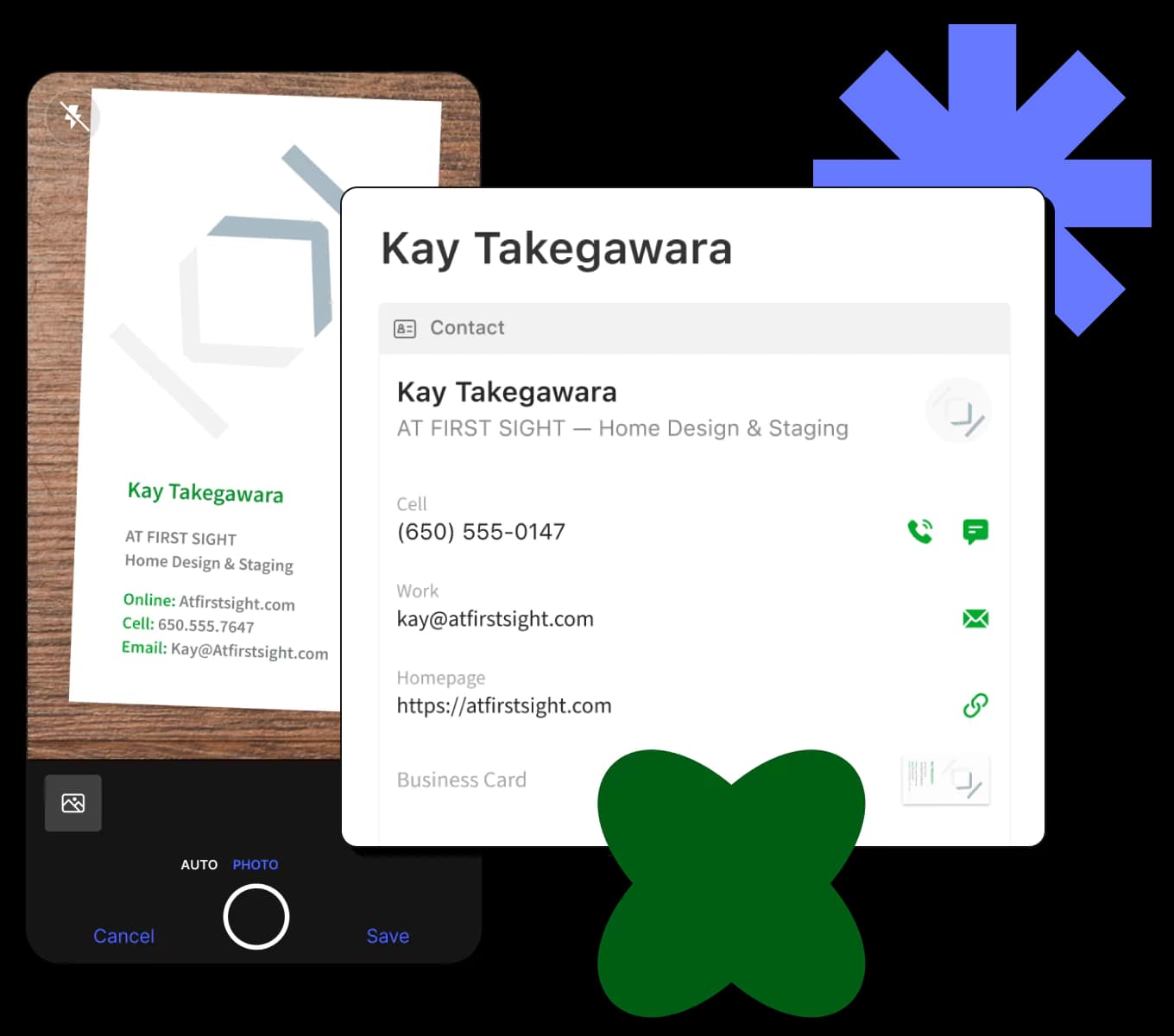
Escanear es un método efectivo de archivo digital. Convierte notas manuscritas en archivos digitales usando herramientas OCR para preservar contenido, ahorrar espacio y facilitar el acceso a la información.
Sí, almacenar tus archivos de cuadernos en la nube es recomendable por accesibilidad y seguridad. El almacenamiento en la nube ofrece una copia de seguridad segura, permitiendo acceder a tus notas desde cualquier dispositivo en cualquier momento.
Puedes usar aplicaciones de escaneo, software OCR y servicios de almacenamiento en la nube para archivar. Estas herramientas ayudan a convertir, almacenar y gestionar tus notas eficientemente en formato digital.
Crea una estructura de carpetas lógica y usa convenciones de nombres consistentes. Etiquetar archivos con palabras clave o categorías también puede mejorar la búsqueda y organización.
Sí, los cuadernos en papel se pueden archivar digitalizándolos primero. Usa herramientas de escaneo para convertir páginas en archivos digitales, que luego se pueden organizar y almacenar electrónicamente.
Asegúrate de que los escáneres estén configurados a alta resolución y usa software OCR para convertir texto manuscrito en texto buscable. Conserva el cuaderno original para referencia.
PDF es ideal para archivar cuadernos ya que mantiene el formato y es ampliamente utilizado. También permite la inclusión de texto buscable si se usa OCR.
Los archivos digitales varían en tamaño según la resolución y el formato. Usa almacenamiento en la nube o discos duros externos para asegurar suficiente espacio para archivos grandes, teniendo en cuenta que un solo escaneo puede variar entre 1-5 MB.
Sí, usando tecnología OCR, las notas manuscritas pueden convertirse en texto mecanografiado, haciéndolas más fáciles de editar y buscar. Esto suele estar integrado en las aplicaciones de escaneo.
El tiempo requerido depende del tamaño del cuaderno y el método usado. Escanear cada página generalmente toma unos minutos, mientras que organizar y subir archivos puede añadir tiempo adicional.
Al subir archivos escaneados, ten en cuenta que los servicios pueden imponer límites, como un máximo de 100 MB por archivo. Verifica los límites de la solución de almacenamiento elegida.
Aunque puedes escanear y organizar archivos sin conexión, almacenarlos digitalmente generalmente requiere un servicio en línea para mejor acceso y seguridad.
Una vez las notas están digitalizadas usando OCR, el texto a menudo puede ser editado usando software para PDFs. Sin embargo, los escaneos de imágenes puras sin OCR pueden requerir procesamiento adicional para la edición.
La seguridad depende del servicio de nube elegido y tus prácticas personales de seguridad. Asegúrate de que tu servicio use encriptación y practica una buena gestión de contraseñas.