
4.4
2,100+ reviews on G2

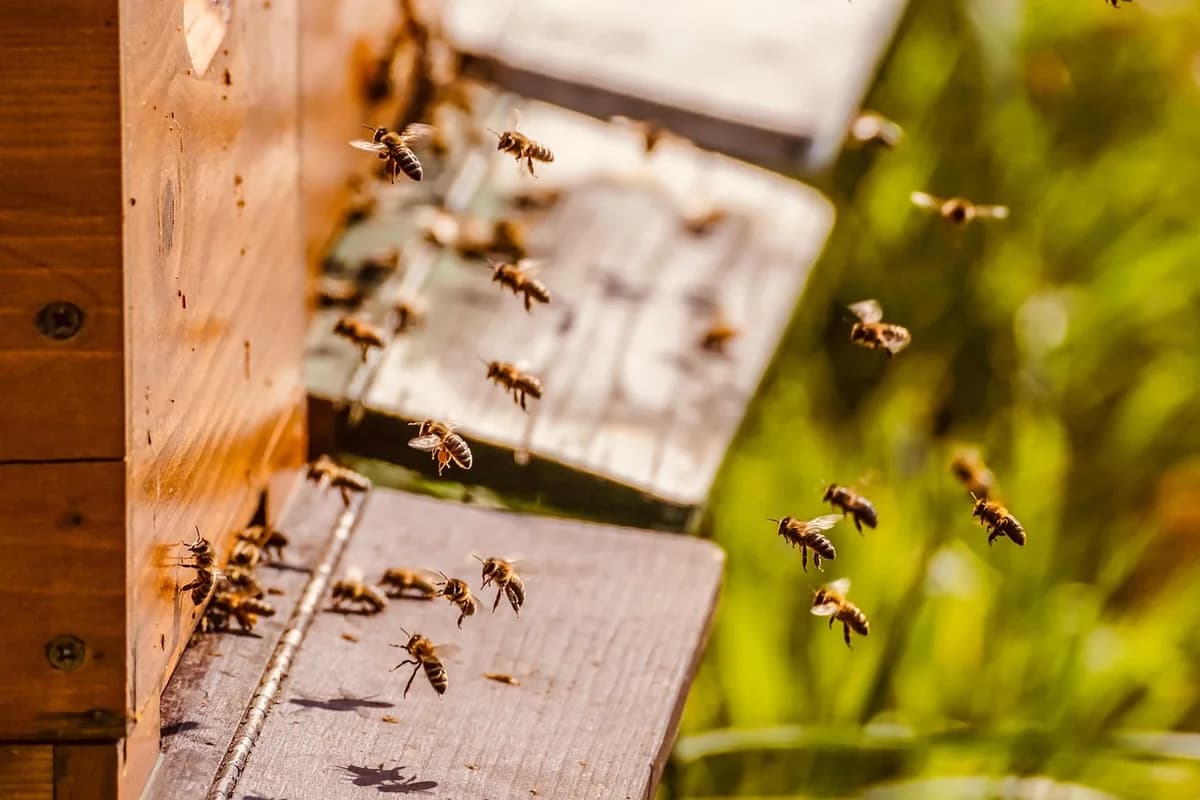
Starting a beehive means planning in the fall: checking your local and state rules, registering colonies where your state requires it, choosing a site, buying hives and protective gear, and ordering package bees or a nucleus colony for spring delivery. Penn State Extension suggests starting with two or three colonies rather than one. Four things matter:
Local and state laws, and colony registration, come before the bees.
Packages and nucs sell out: order the fall before spring delivery.
Two colonies take about the same time as one and help each other.
Varroa mites are the most serious honey bee pest. Plan to monitor them.
Keep a garden journal in Evernote. Log what you see, get a reminder, and ask what worked last season.
Take a beginner course, such as Penn State's online Beekeeping 101, and contact your state or county beekeepers' association. Most states and many counties have one.
Look up local and state laws on keeping bees. Many states require you to register colonies with the state department of agriculture, and some require registering a honey-extracting space, even a kitchen.
Pick a spot with plenty of flowers for food and plan any site preparation. Where bears live, Penn State recommends an electric fence around the hives before the bees arrive.
Start small, but with two or three colonies rather than one. Two take about the same time as one, and a second colony can help fix problems in the first.
You need hives, protective equipment for yourself, a hive tool and smoker, a feeder, and later honey-processing equipment.
Order package bees or nucleus colonies the fall before you need them. Spring is the best time to establish new colonies. A 3-pound package is often the best buy.
Have a plan to monitor and control Varroa mites, which can kill colonies, and note what you see at every inspection.
| Item | Detail |
|---|---|
| Colonies | 2 |
| Bees | 2 nucs |
| Order by | November |
| 2Rules | City rules checked, colonies registered with the state |
| 3Site | Back corner by the clover, no bears here |
| 4Hives | Two hives, not one |
| 5Equipment | 2 hives, veil, jacket, gloves, hive tool, smoker, feeder |
| 6Bees ordered | 2 nucleus colonies ordered for April pickup |
| 7All season | Mite check and notes at every inspection |
Joined the county beekeepers' association for a mentor and the spring nuc order.
The four options Penn State Extension describes. Spring is the best time to start.
| Option | What you get | Notes |
|---|---|---|
| Package bees | 2, 3 or 5 lb of bees, a caged queen and a can of syrup | Order in fall. The 3 lb package is often the best buy |
| Nucleus colony (nuc) | 4 or 5 frames of brood, honey, pollen, bees and a laying queen | Easier for beginners than a full colony, can give honey the first year |
| Established colony | A full, overwintered hive | Costs most. Have a state bee inspector check it first |
| Swarm | A colony caught in the wild | Free, but not predictable |
Source: Penn State Extension, "Beekeeping: Honey Bees".
One note per plant or bed. Copy it, or save it to your Evernote account and add a line every time you are in the garden.
Plant: Hive 1 · Variety: [name]
Planted: [date] · Spot: [bed, pot or row]
Sun: [hours a day] · Water: [how much, how often]
Expect: [first flowers, harvest or bloom date]
Log:
[date]: [what you saw], [what you did]
[date]: [what you saw], [what you did]
Next year: [what to change]
4.4
2,100+ reviews on G2

4.4
8,200+ reviews on Capterra

4.4
73,000+ reviews on App Store

248M
Registered users

Take a course, join a local beekeepers' association, check your state's rules, pick a site, buy hives and protective gear, and order package bees or nucs in the fall for spring.
Penn State Extension suggests two or three colonies. They take about the same time as one, and a second colony helps you fix problems in the first.
In spring. Order package bees or nucleus colonies the fall before, because supplies are limited.
In many states, yes, with the state department of agriculture. Check your state and local rules before you buy bees.
A nucleus colony: 4 or 5 frames of brood, honey and pollen, covered with adult bees, with a laying queen.
Penn State Extension calls parasitic Varroa mites the most serious pest. Colonies need monitoring and mite control to survive.
Keep a garden journal in a Garden notebook, with one note per plant or bed and a dated log in a table.
Tell the AI Assistant what happened in a few words, such as "queen laying, 2 mites in the check". It adds a dated row to the log table in your note.
Ask for a reminder counted from a date in your log, such as "Remind me to inspect the hive again in 14 days". The Assistant reads the date and sets the reminder on the note.
Next year, ask "When did I order the nucs?" The AI Assistant reads all your garden notes and answers from them.
Log what you see in a few words, get a reminder at the right time, and ask your journal what worked last season.
Start for free