Artikel von Website ausschneiden

Über uns
Deutsch
Artikel von Website ausschneiden
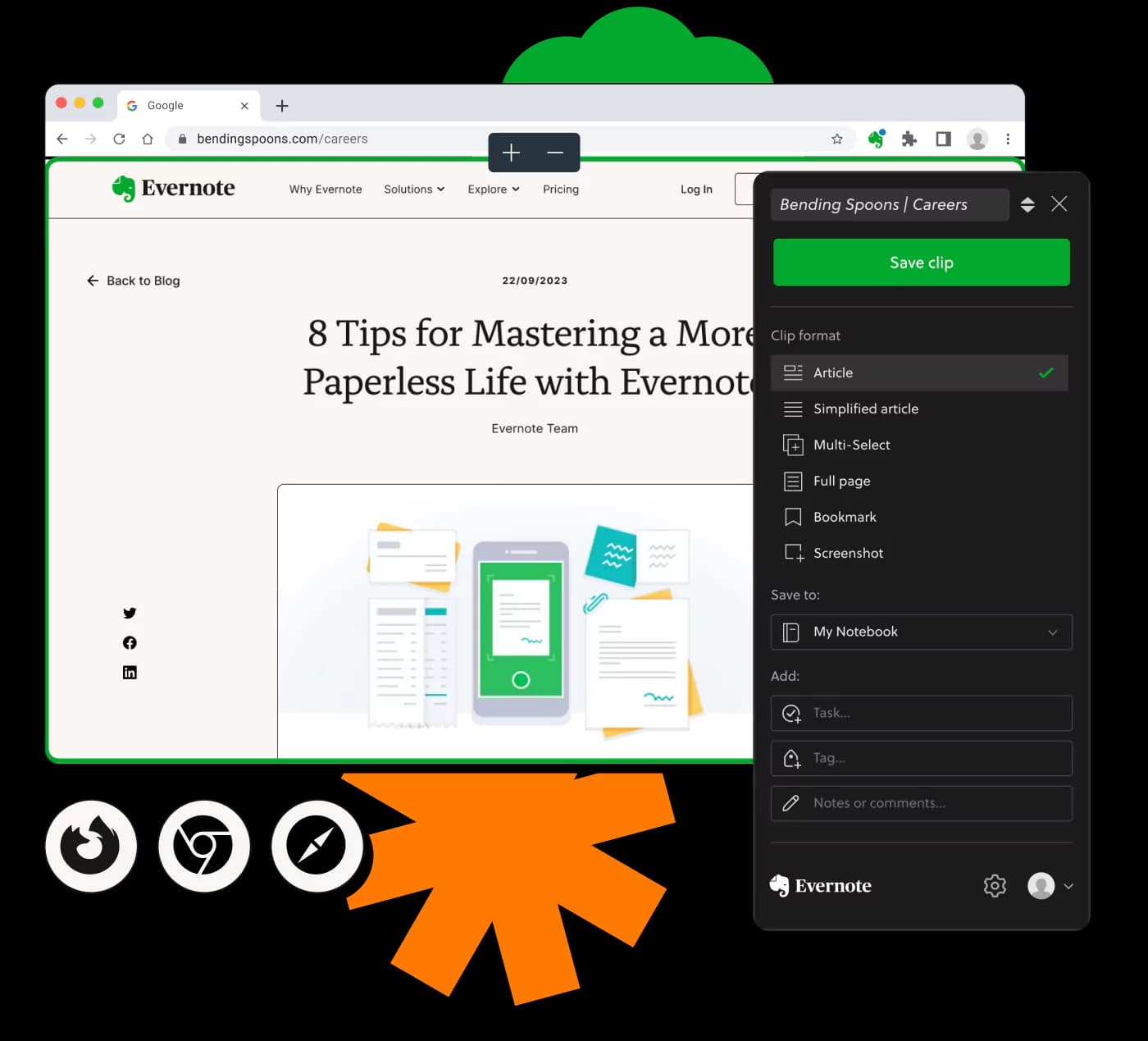
Artikel mühelos von Websites für Zitationen und Aufnahmen ausschneiden
Von Millionen weltweit vertraut
4.4
2.100+ Bewertungen auf G2
4.4
8.200+ Bewertungen auf Capterra
4.4
73.000+ Bewertungen im App Store
248 Mio.
Registrierte Benutzer
5 Mrd.
Erstellte Notizen
2 Mio.
Täglich erstellte Notizen
Unbegrenzter Zugriff auf alle unsere Tools
Dateien in Text transkribieren

Dateien konvertieren
Dateien komprimieren
PDFs und Bilder bearbeiten

Text mit KI umschreiben

Text in Audio umwandeln

Notizen nehmen und verfassen

Diagramme mit KI erstellen
KI-generierte Inhalte erkennen
Wörter und Zeichen zählen

Zitatgenerator

Notizen machen
Dokumentenspeicherung
Häufig gestellte Fragen
Um Artikel von Websites auszuschneiden, nutzen Sie ein Webclipper-Tool, das Text und Bilder direkt von der Webseite extrahiert. So können Sie Inhalte speichern und organisieren, um später einfachen Zugriff zu haben.
Ja, mit dem richtigen Tool können Sie Abschnitte von YouTube-Videos ausschneiden. Dies beinhaltet normalerweise das Erfassen von Videosegmenten und deren Umwandlung für die Offline-Nutzung oder Integration in Ihre Notizen.
Um einen Website-Artikel im APA-Stil zu zitieren, geben Sie den Autor, das Veröffentlichungsdatum, den Titel des Artikels in Kursivschrift und die URL an. Verwenden Sie die Vorlage: Autor, A.A. (Jahr, Monat Tag). Titel des Artikels. Website-Name. URL.
Ein Website-Artikel ist in der Regel informeller und zugänglicher, während ein Zeitschriftenartikel normalerweise peer-reviewed, strukturiert und in akademischen Zeitschriften mit ausführlichen Zitaten zu finden ist.
In Intune ist ein Web-Clip eine Verknüpfung oder ein Lesezeichen auf einem Gerät, das direkt zu einer Website führt und schnellen Zugriff ohne Browsersuche ermöglicht.
Für eine MLA-Zitation geben Sie Autor, Titel der Webseite oder des Artikels, Websitename, Veröffentlichungsdatum und URL an. Ein Beispiel: Nachname, Vorname des Autors. "Titel des Artikels." Website-Name, Tag Monat Jahr, URL.
Ein Weblink ist eine URL oder ein Hyperlink, der Sie zu einer Webseite führt, während ein Clip in der Regel einen gespeicherten Abschnitt von Inhalten oder Medien von dieser Webseite für den Offline-Zugriff oder als Referenz darstellt.
Abhängig von den Richtlinien der Website können Sie ein kompatibles Tool verwenden, um Video-News-Artikel für die Offline-Nutzung herunterzuladen. Stellen Sie sicher, dass dies mit den Nutzungsbedingungen übereinstimmt.
Geben Sie den Namen des Autors, das Veröffentlichungsdatum, den Titel des Artikels, den Namen der Nachrichtenwebsite und die URL an. Verwenden Sie den geeigneten Zitationsstil, wie APA oder MLA, zur Zitierung.
Webclipper unterstützen oft Text-, Bild- und manchmal Videoinhalte, sodass Sie Informationen in Formaten wie PDFs oder Bilddateien speichern können.
Einige Tools können die Dateigröße für Web-Clips begrenzen, dies hängt jedoch von dem von Ihnen verwendeten Dienst oder der Software ab. Überprüfen Sie die Dokumentation des spezifischen Tools auf genaue Grenzwerte.
Die meisten Webclip-Tools sind mit gängigen Browsern auf verschiedenen Geräten, einschließlich Desktops, Tablets und Smartphones, kompatibel und gewährleisten Vielseitigkeit.
In der Regel speichern Webclipper Artikel ohne Bearbeitungsmöglichkeiten. Zum Bearbeiten übertragen Sie diese in ein Bearbeitungstool oder eine Textverarbeitung.
Webclipper erfordern normalerweise eine Internetverbindung, um auf Webseiten zuzugreifen, aber einmal ausgeschnitten, können Sie die Inhalte oft offline betrachten, abhängig vom Tool.
Während spezifische Clip-Tools variieren, haben viele eine maximale Dauer von 60 Minuten für Audio- und Videoinhalte. Dies sorgt für eine handhabbare Dateigröße für die weitere Nutzung.